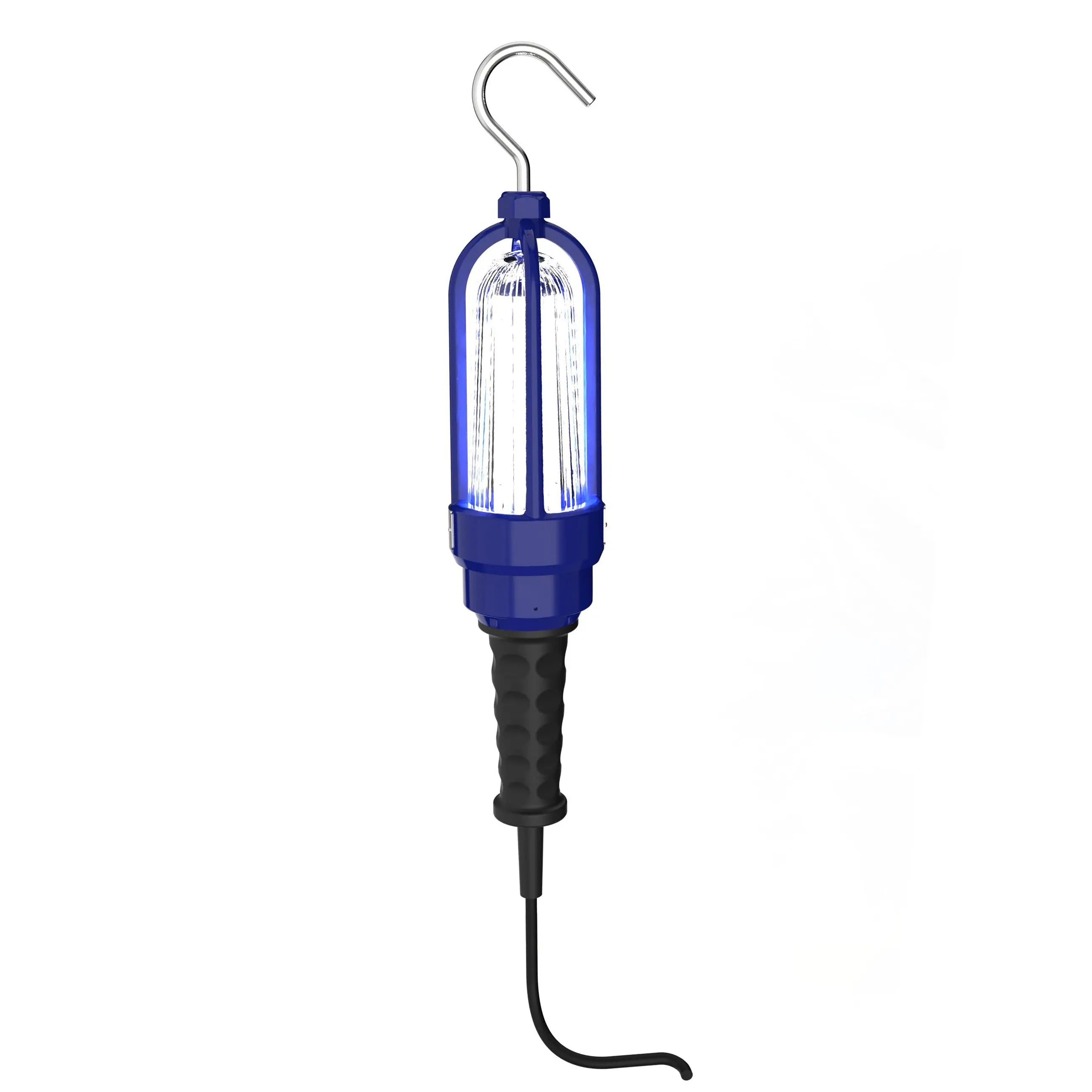
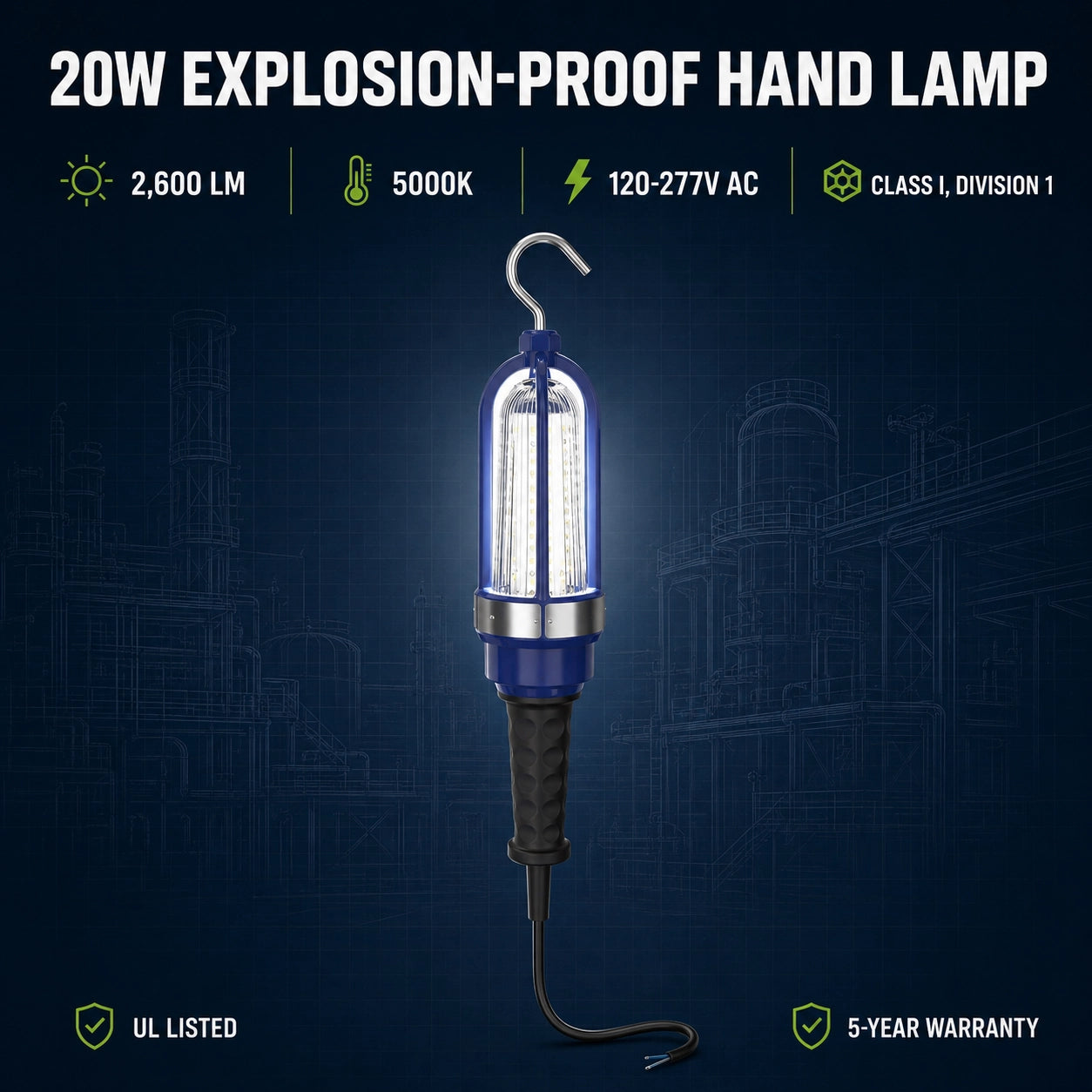
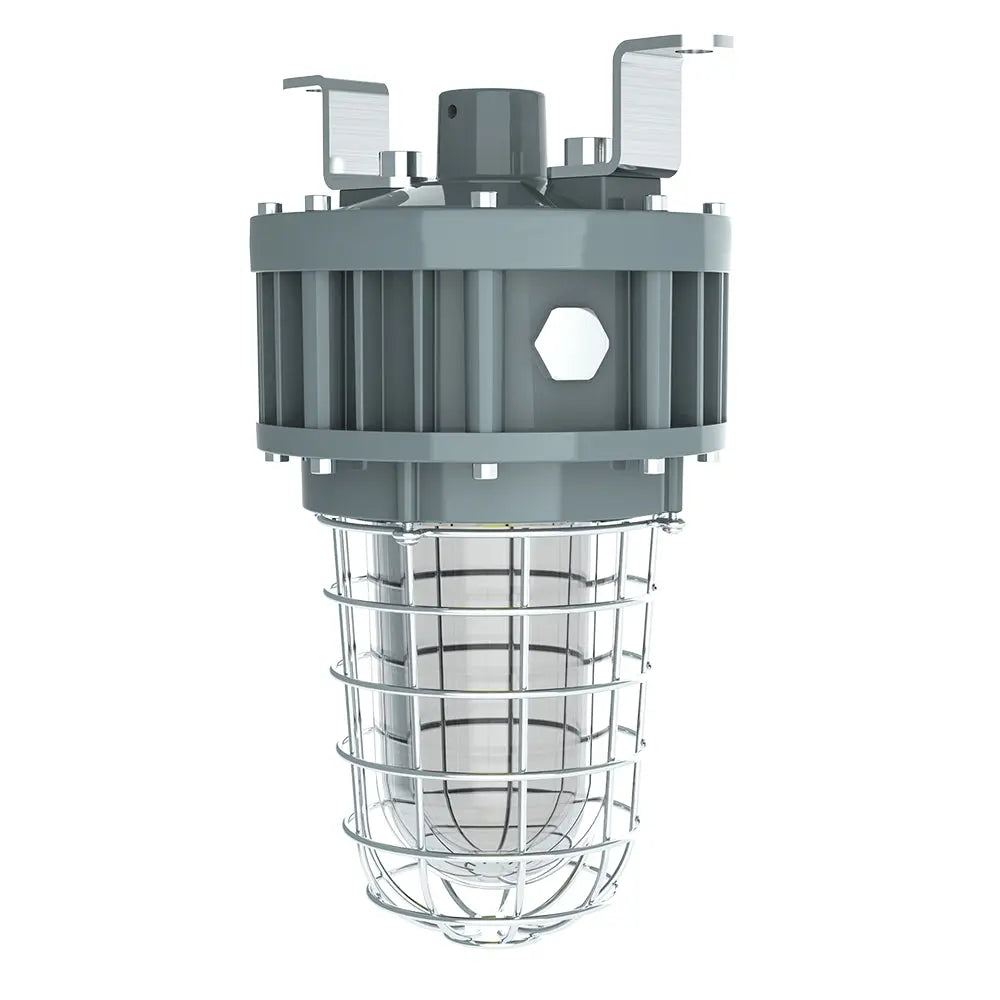
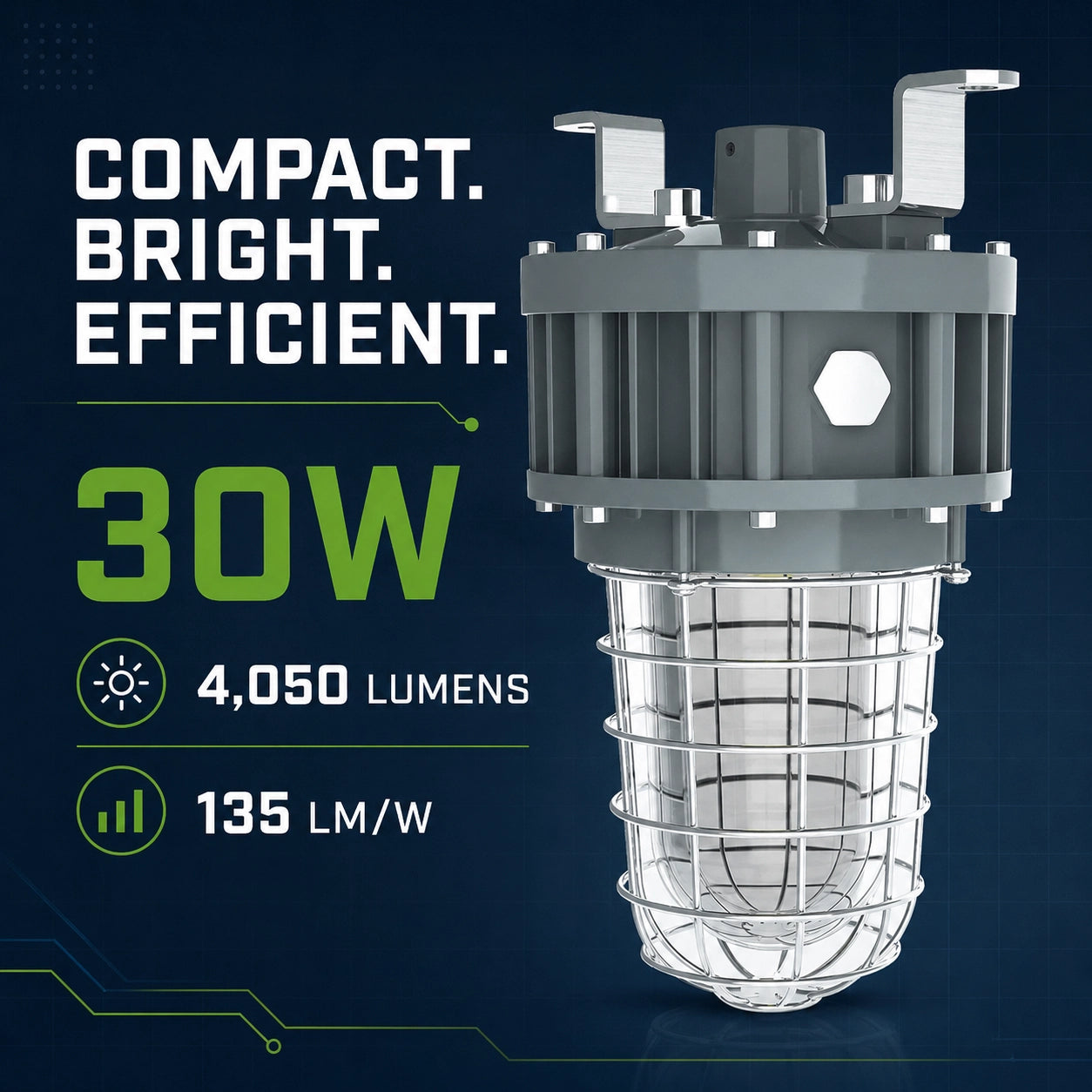
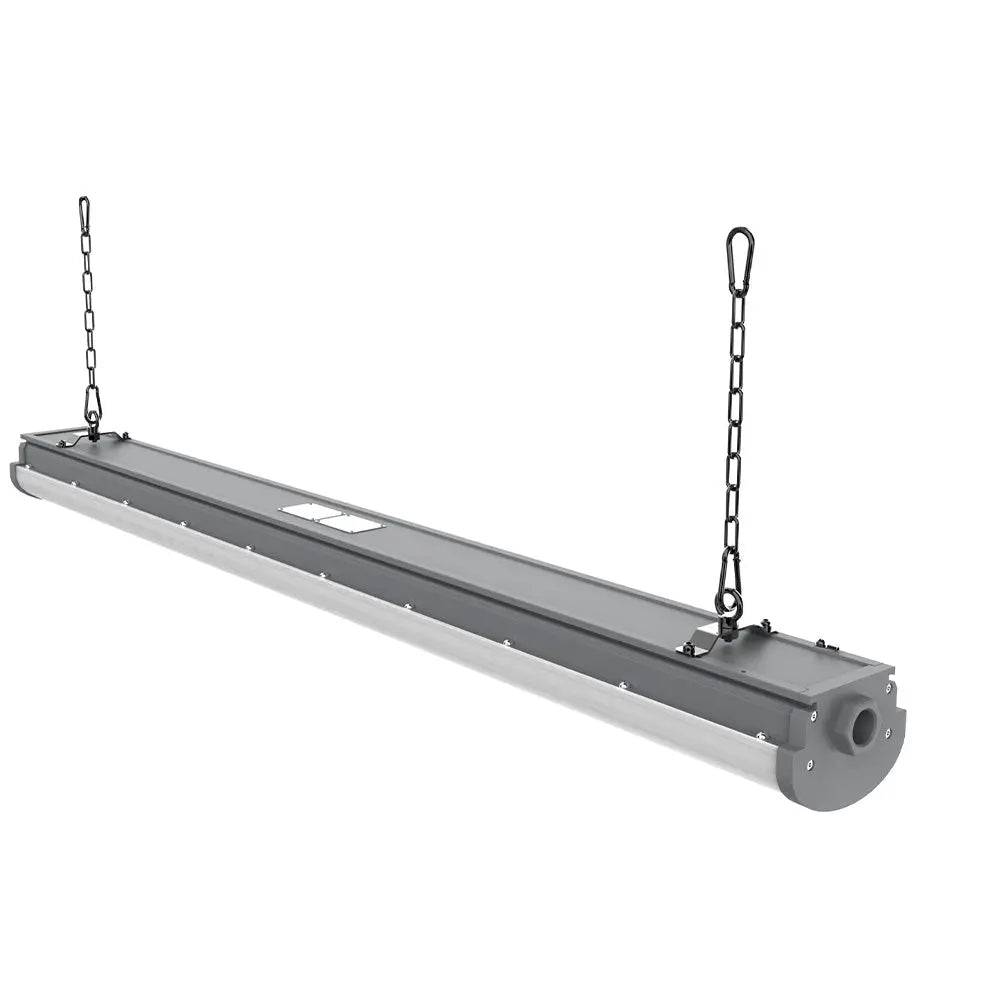
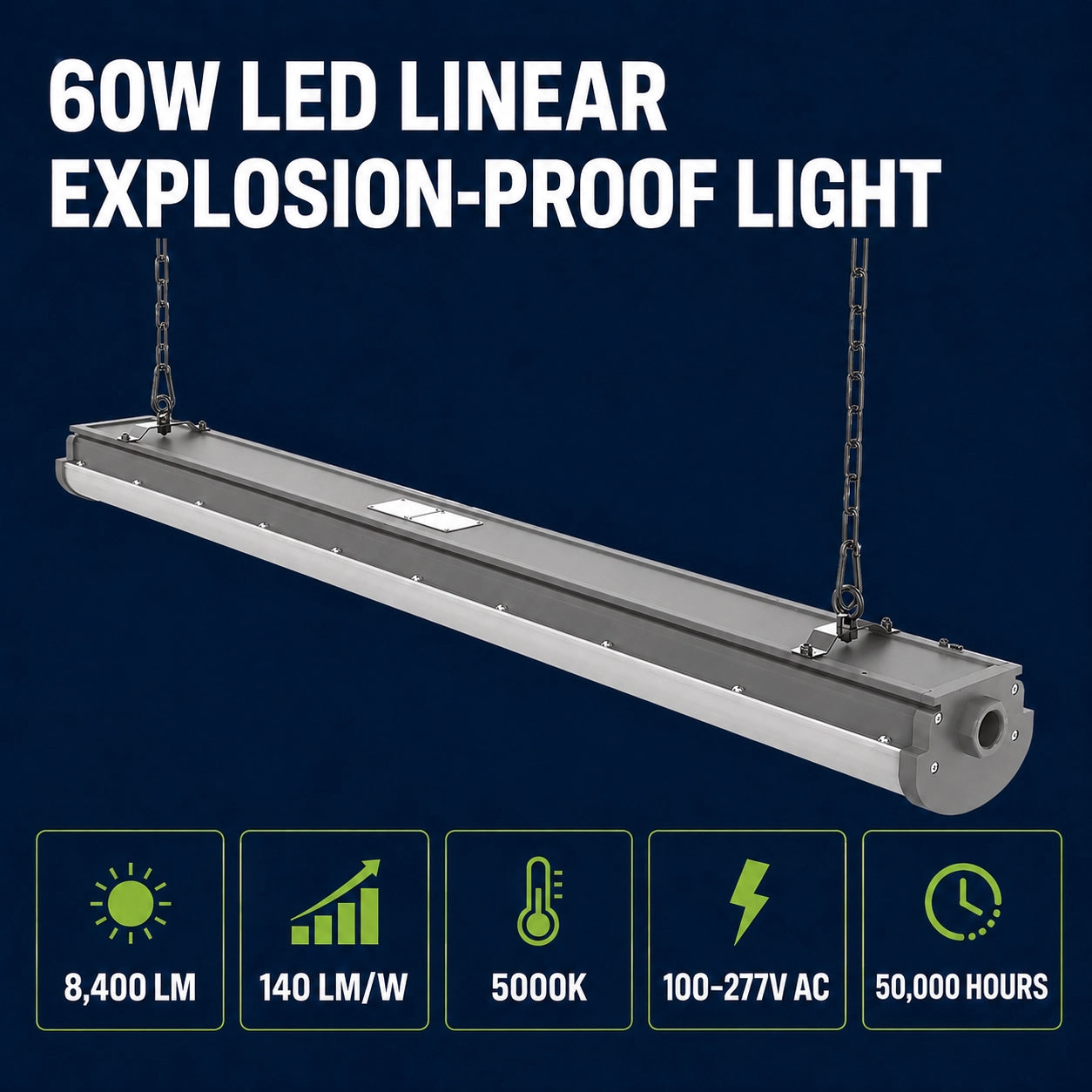
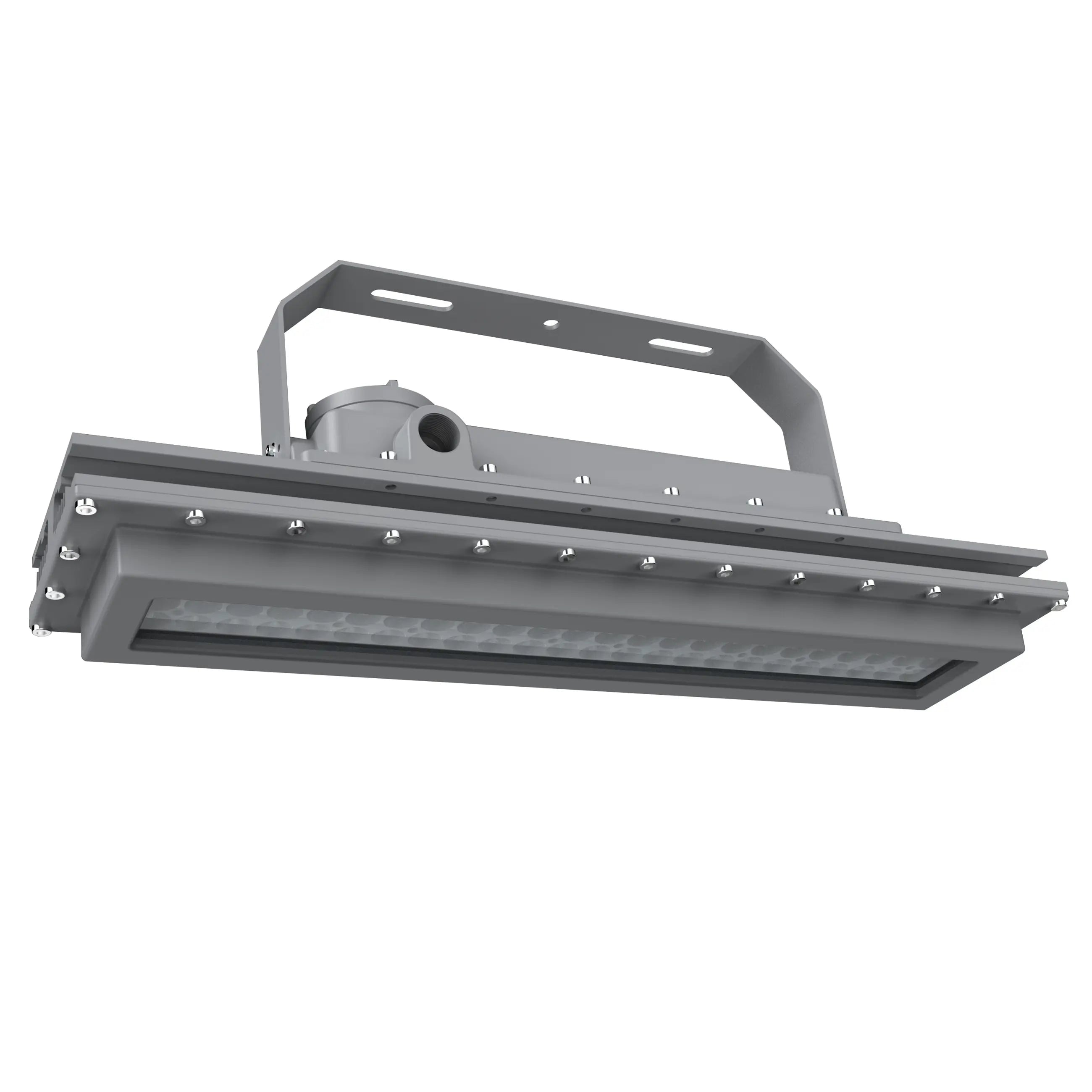
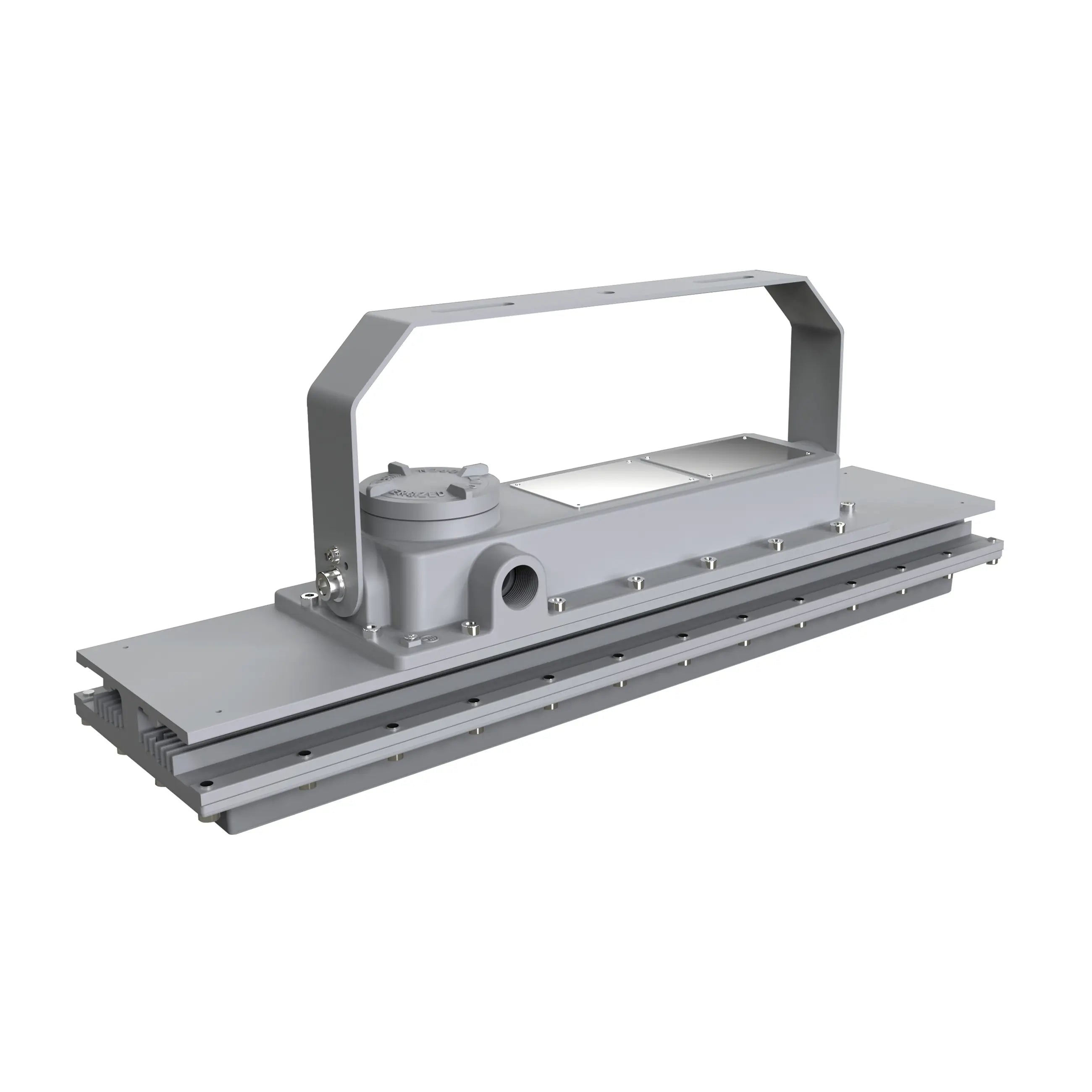
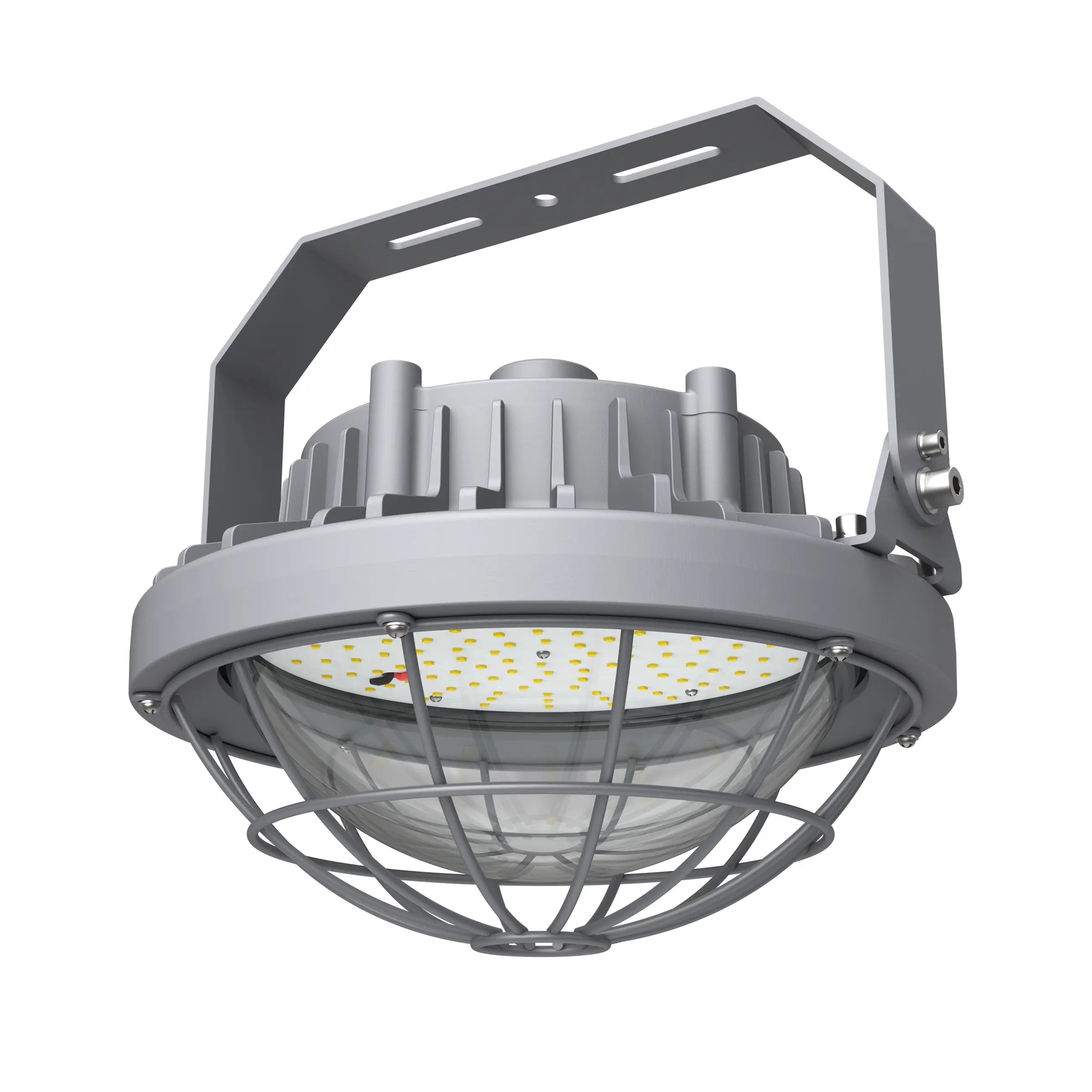
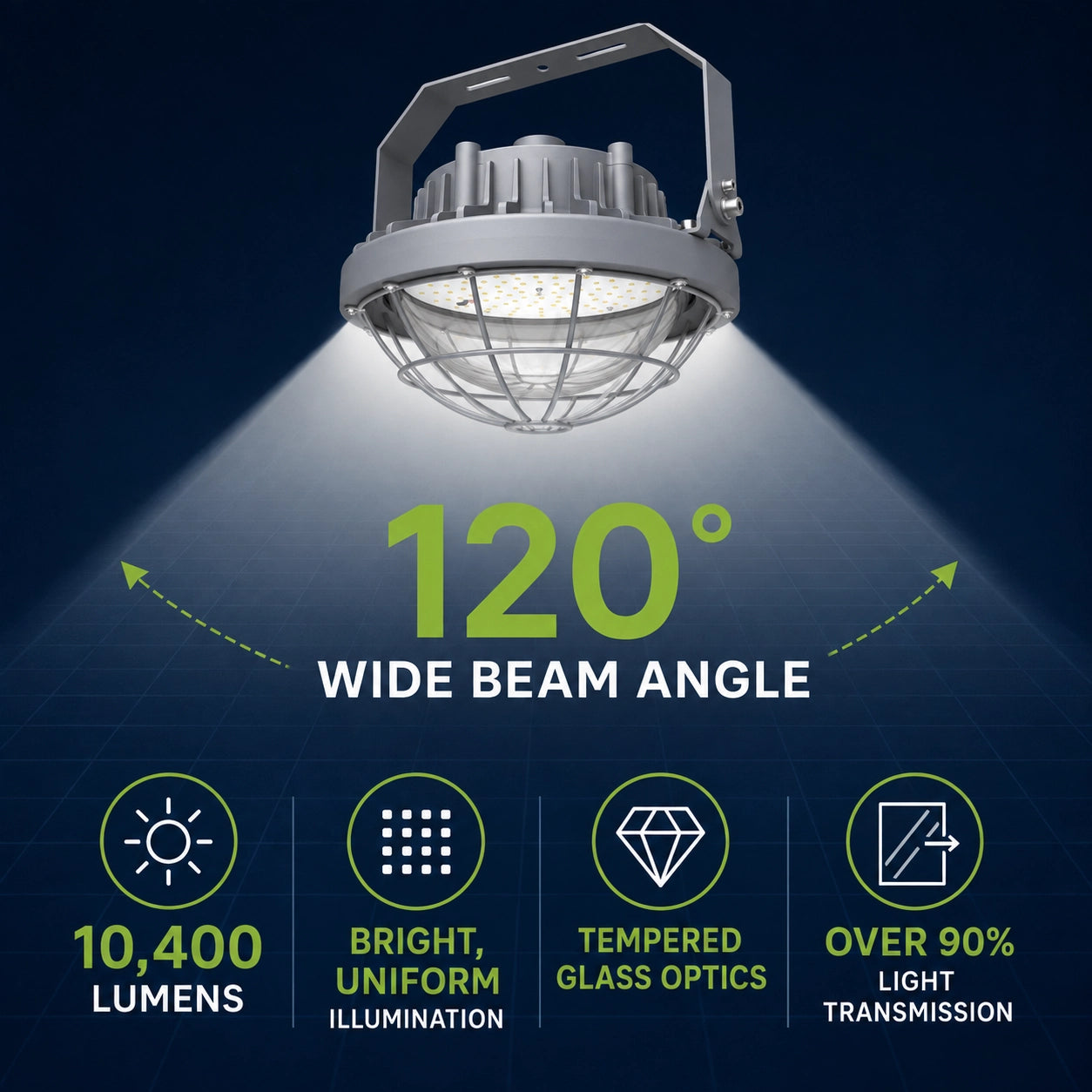
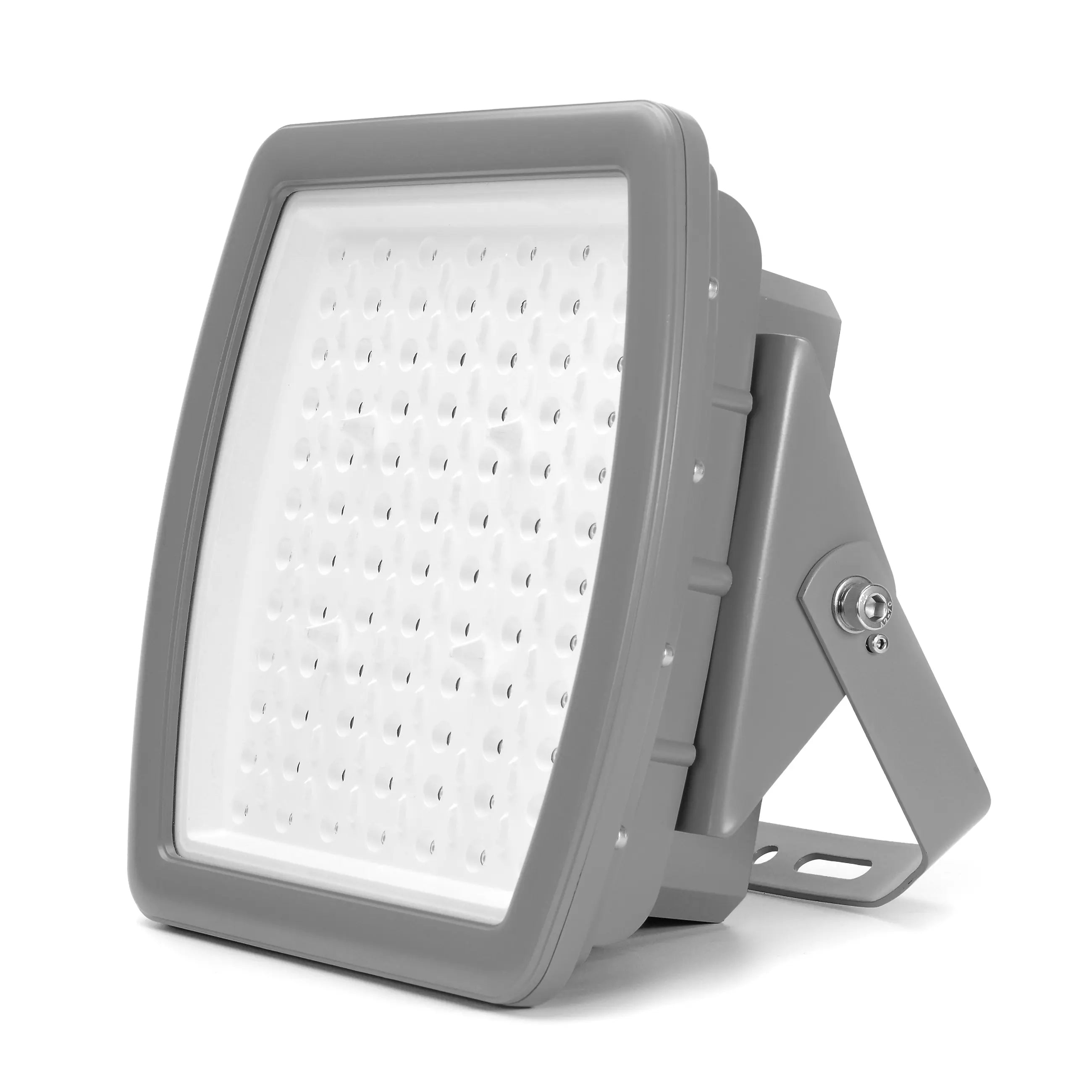
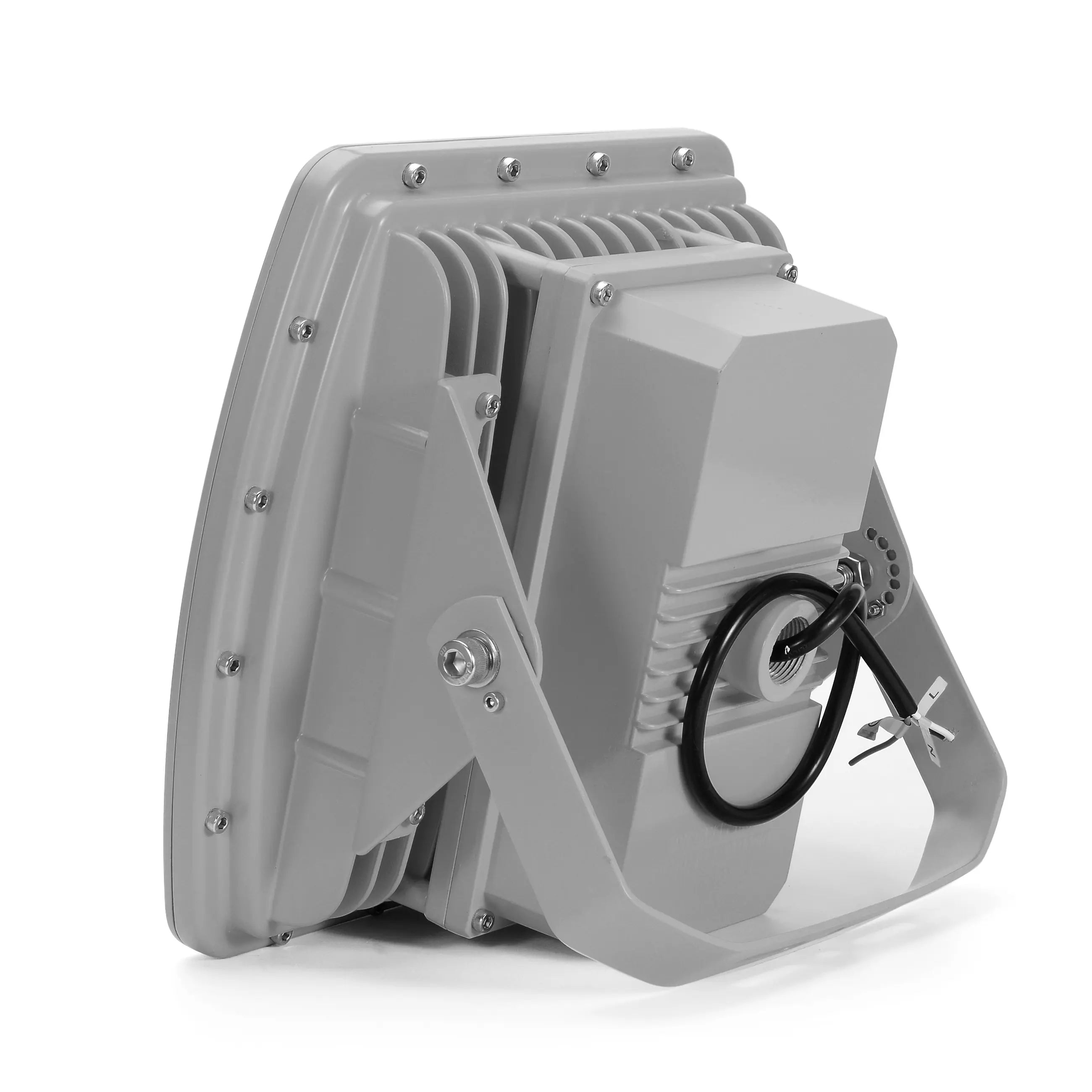
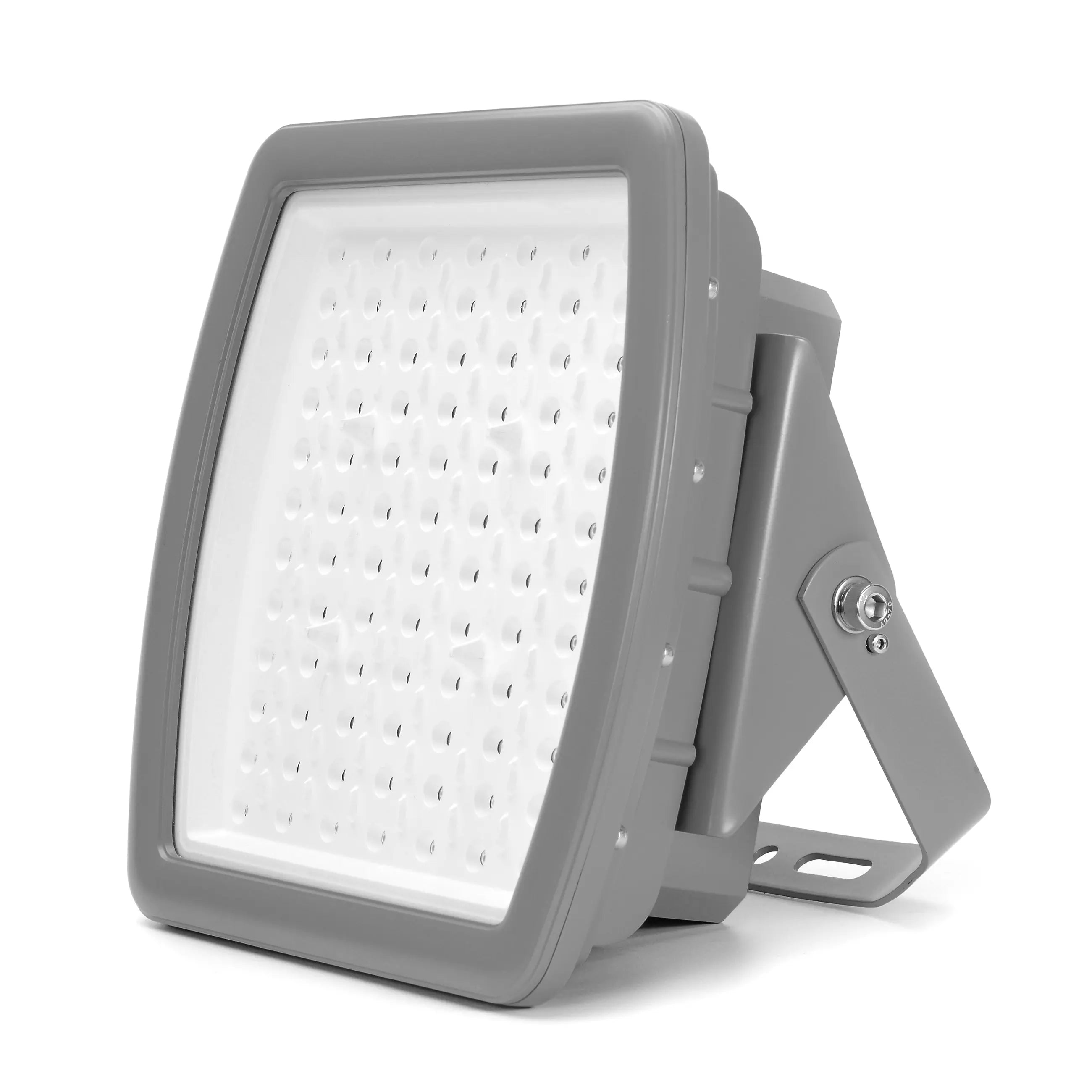
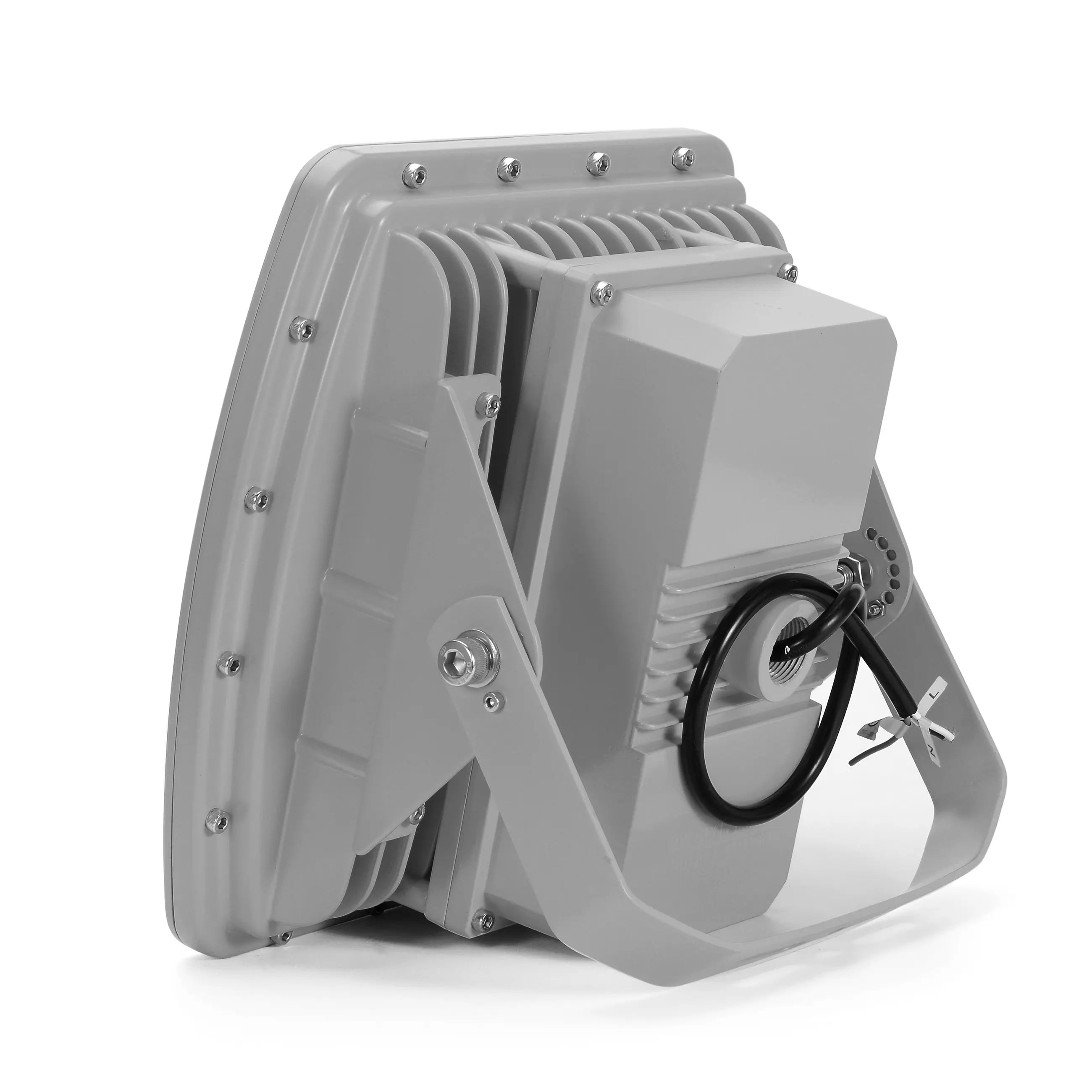
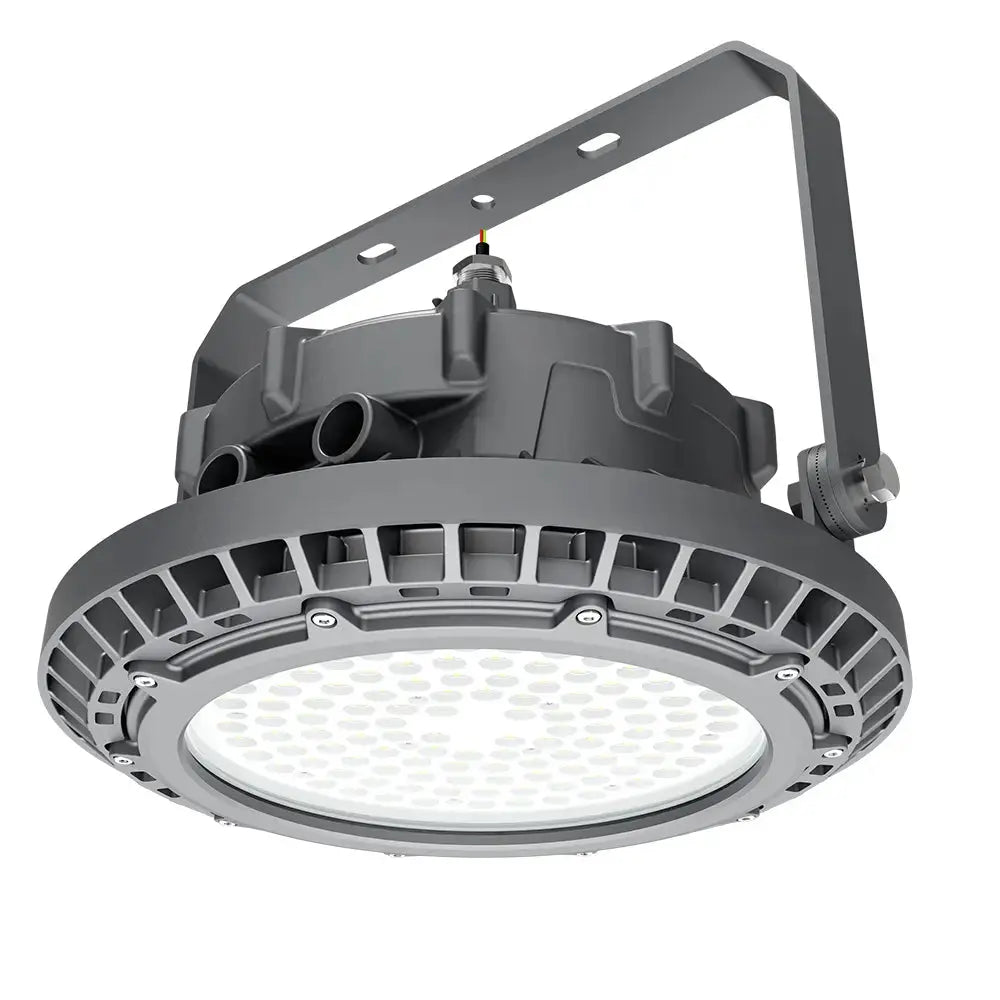
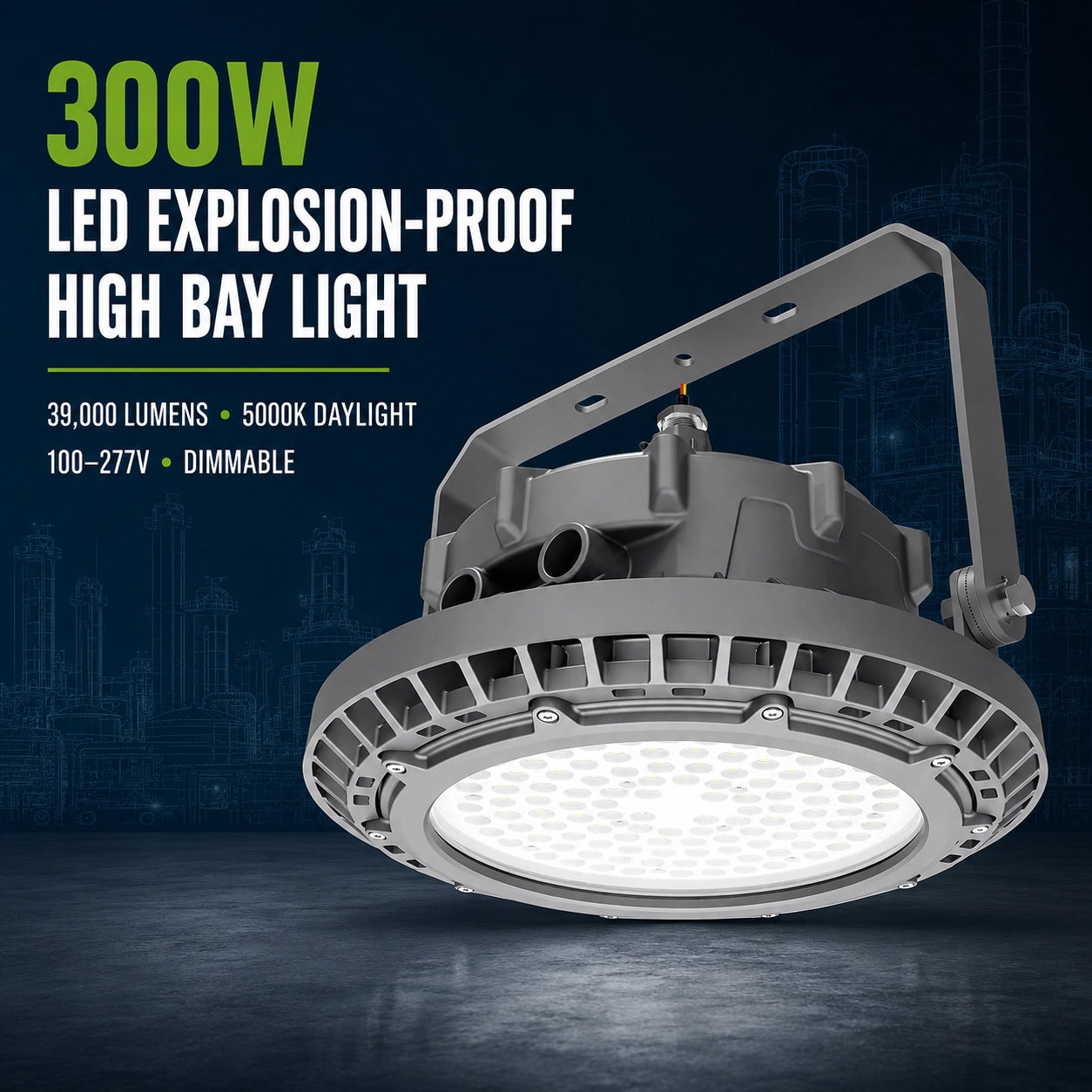
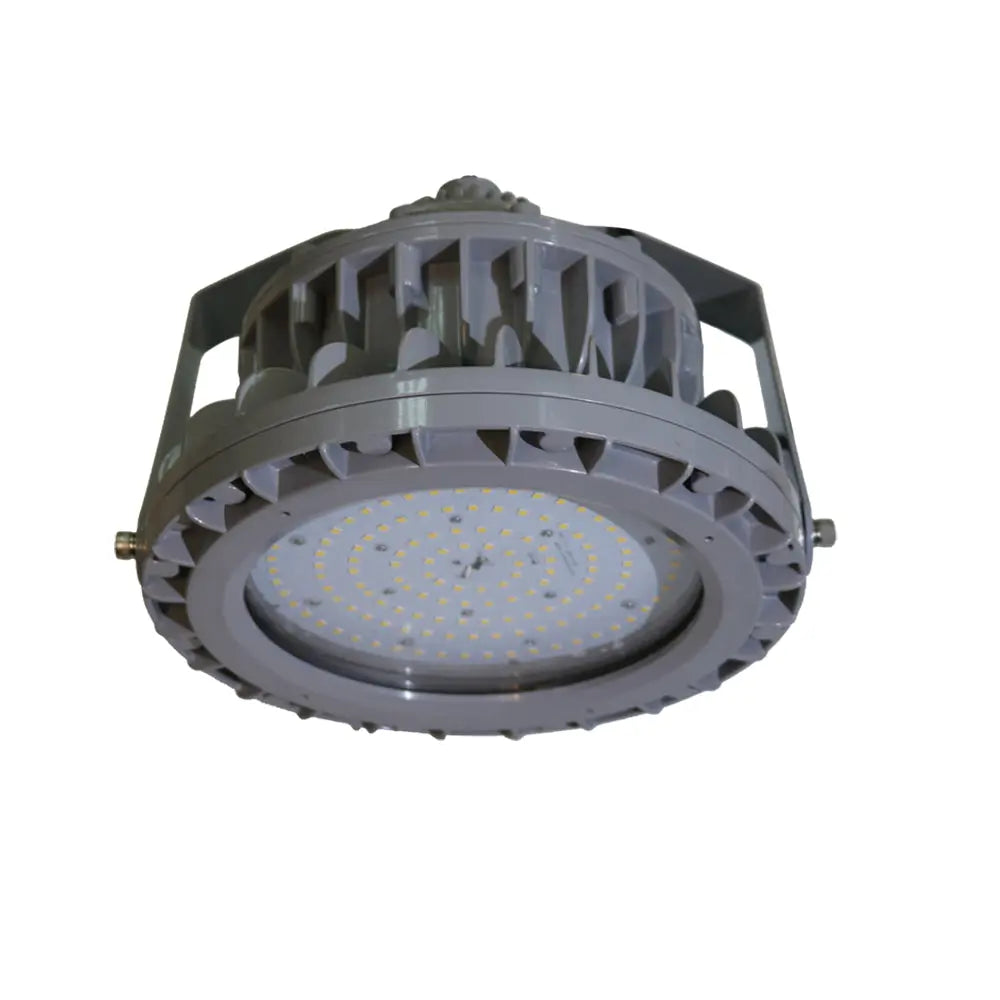
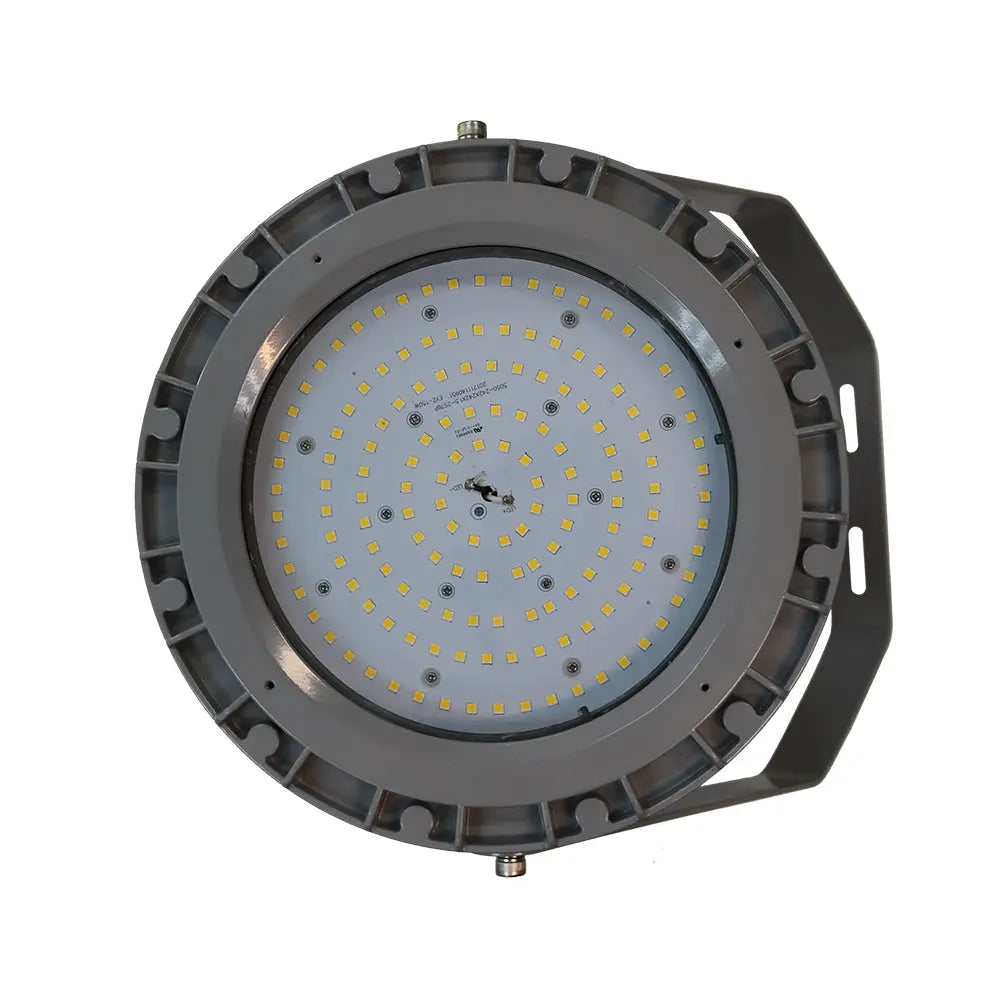
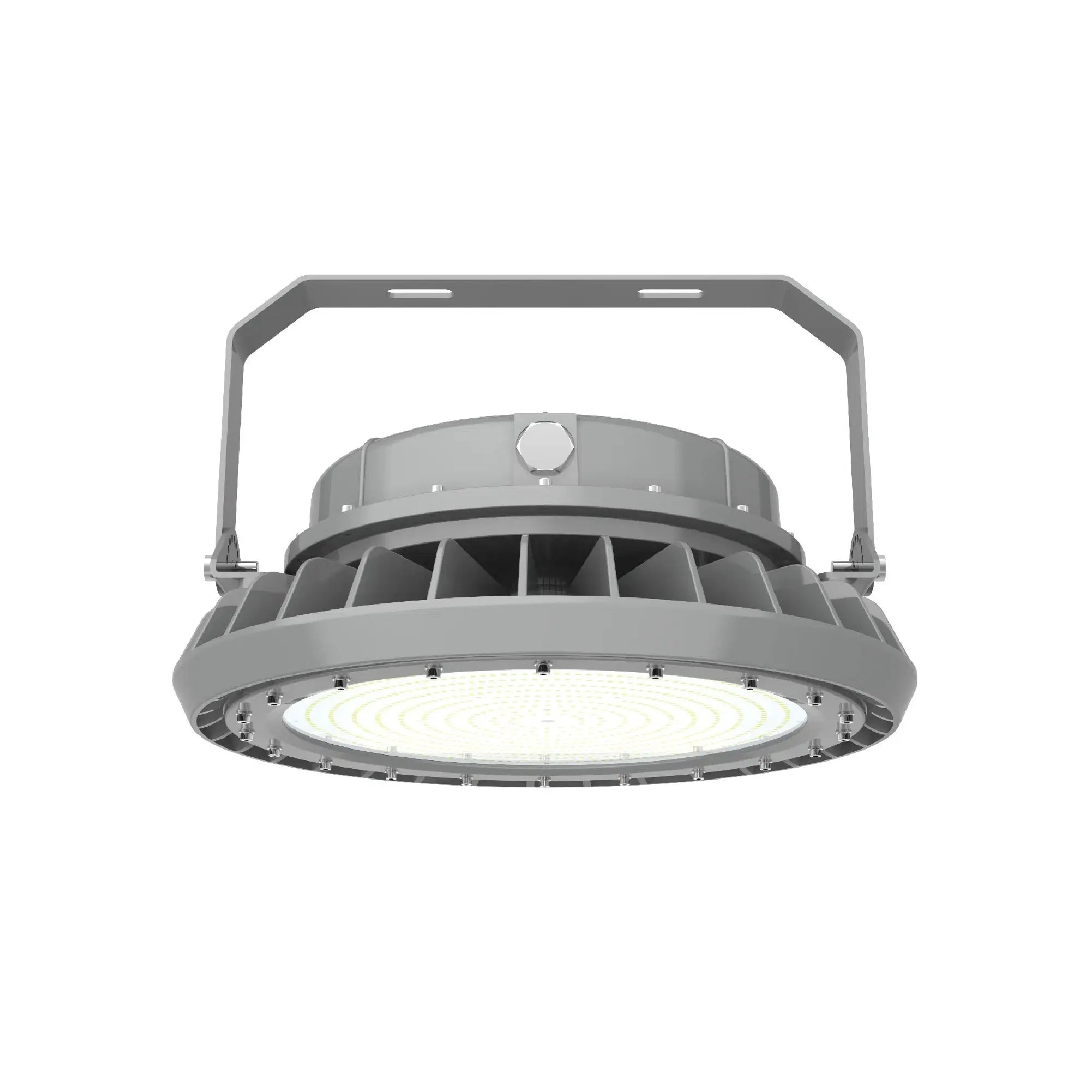
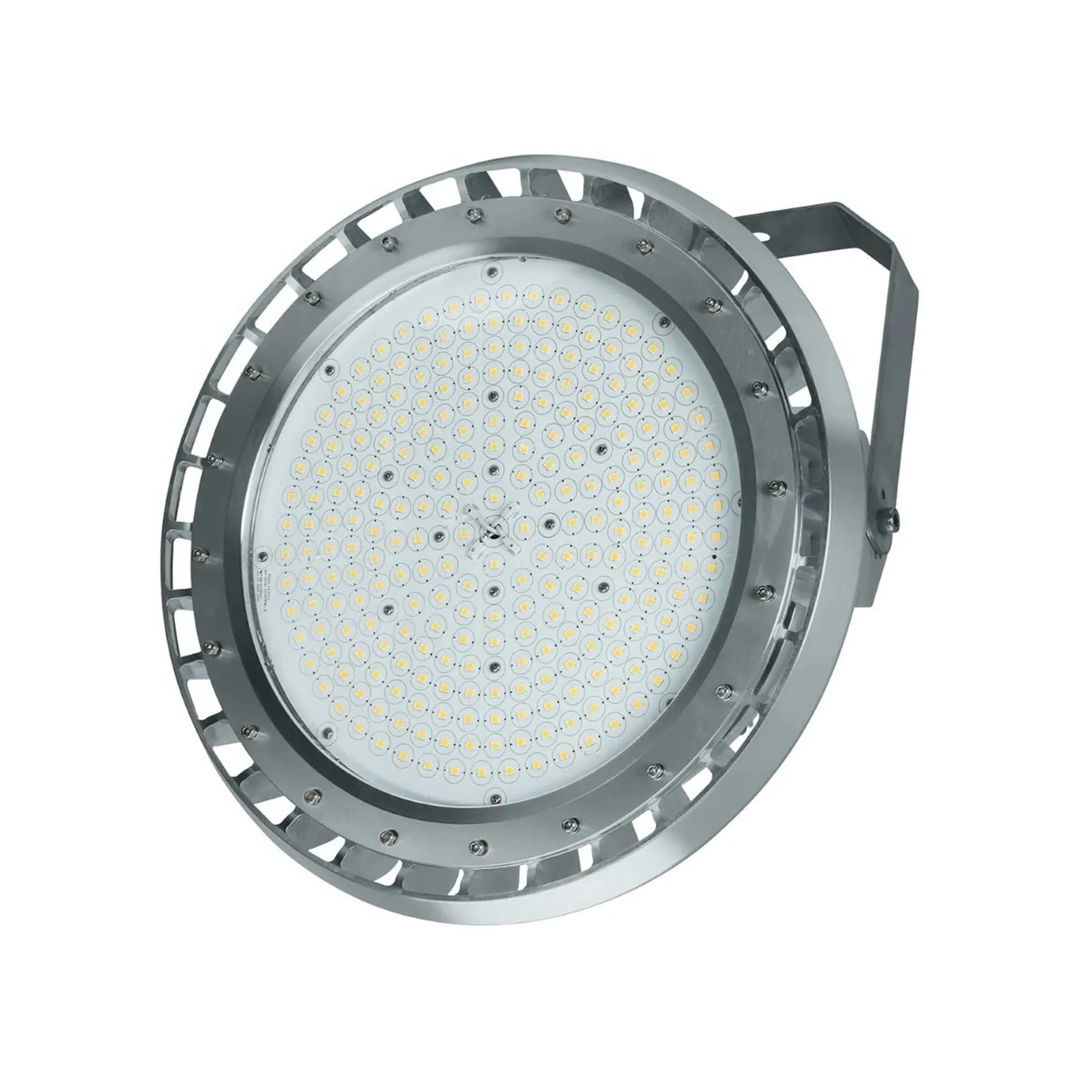
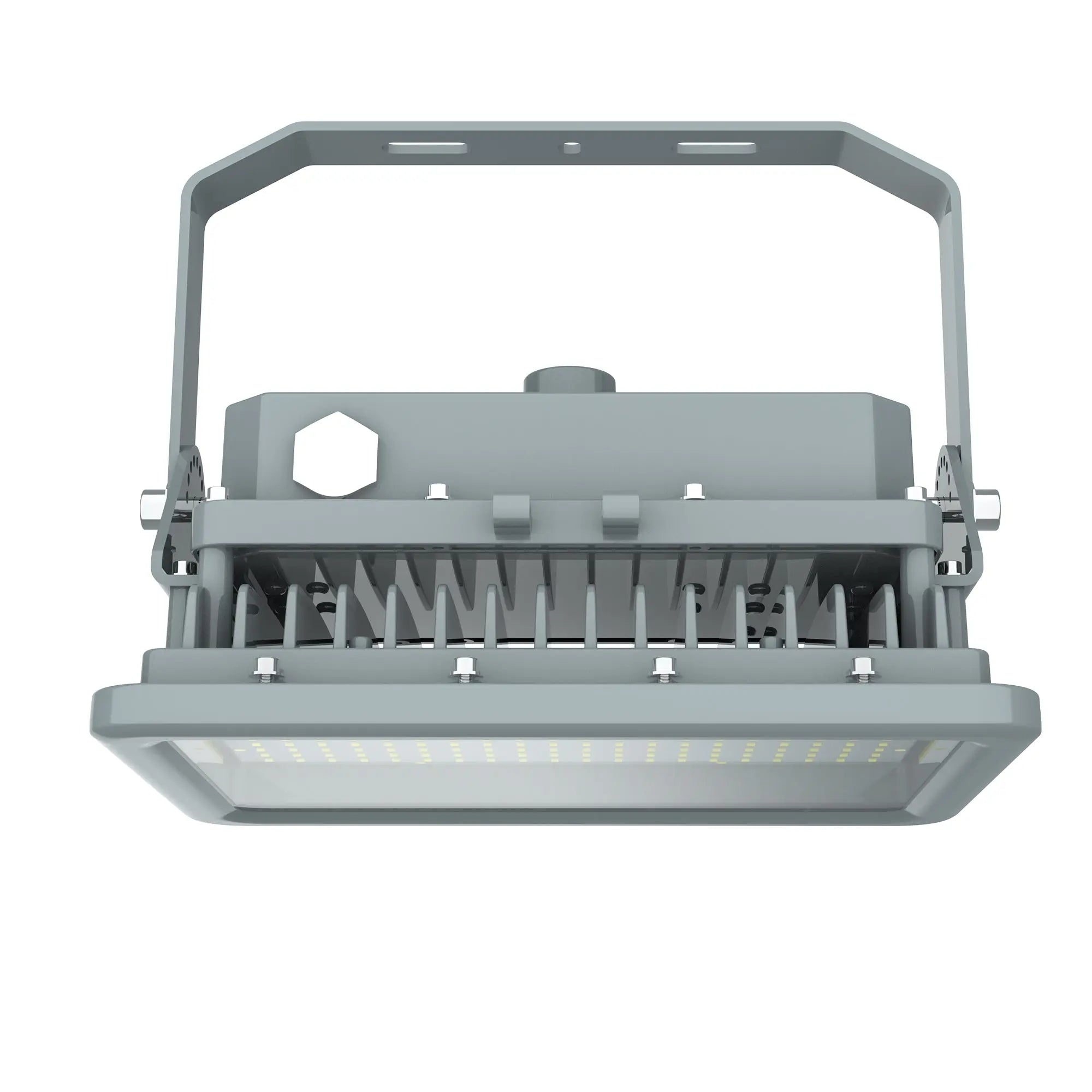
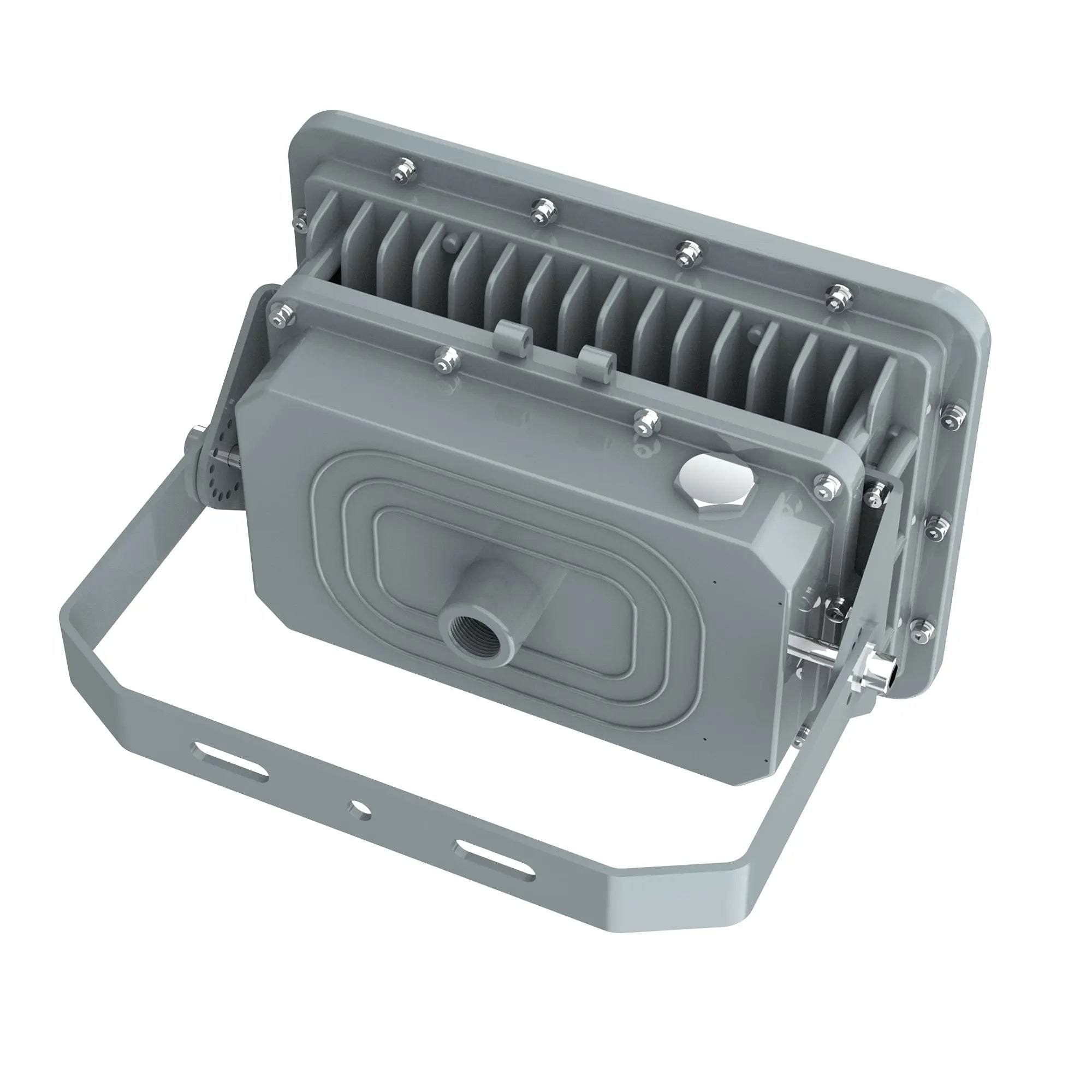
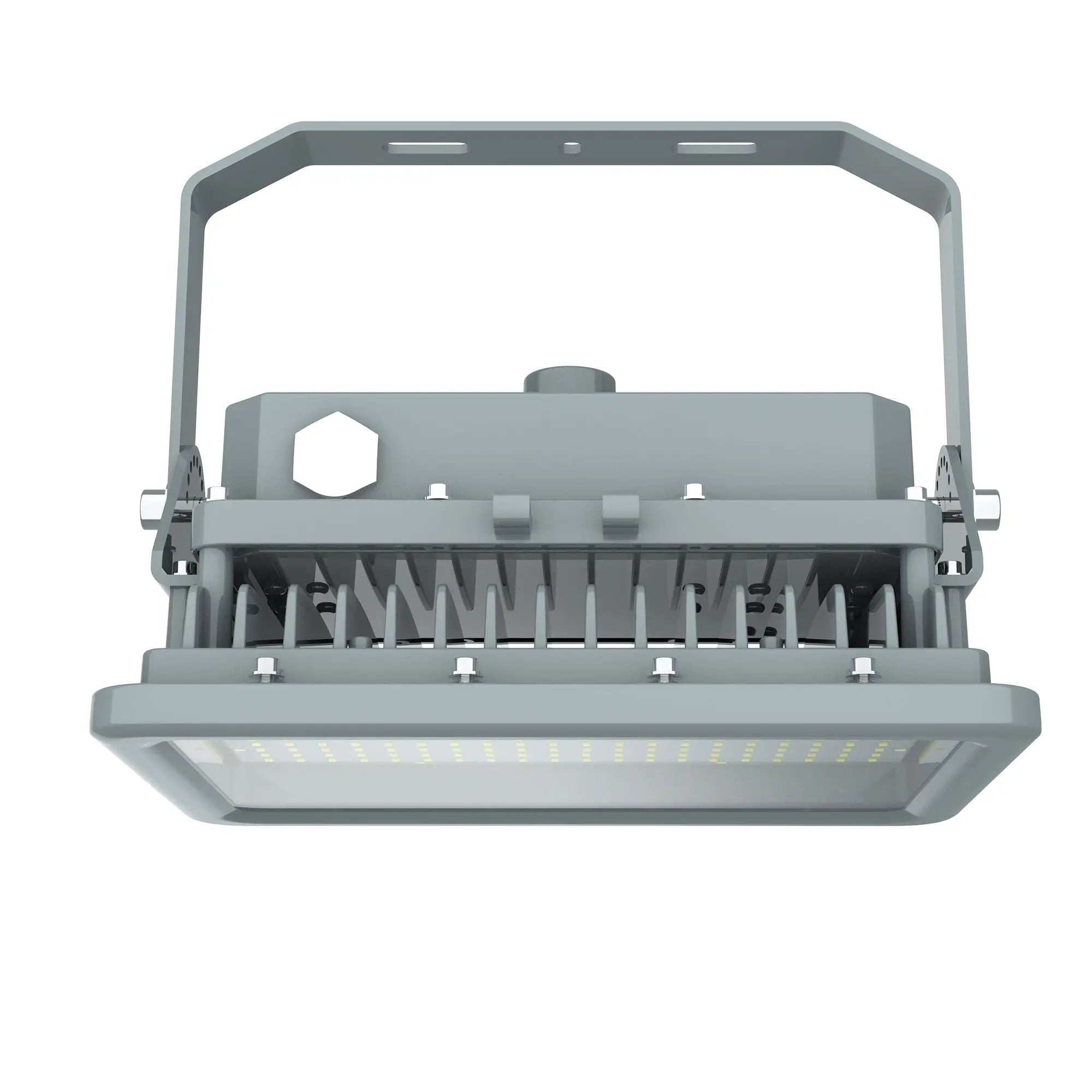
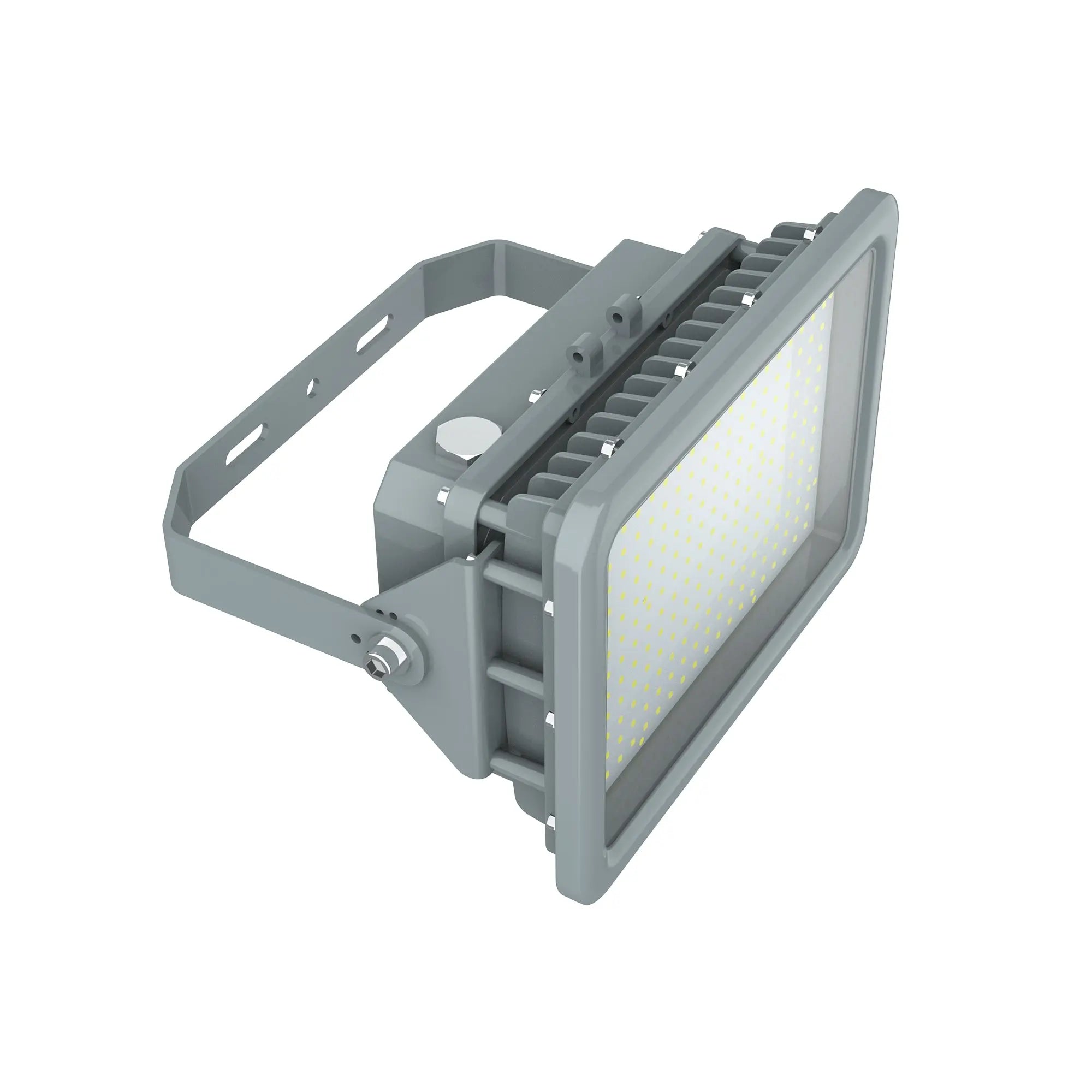
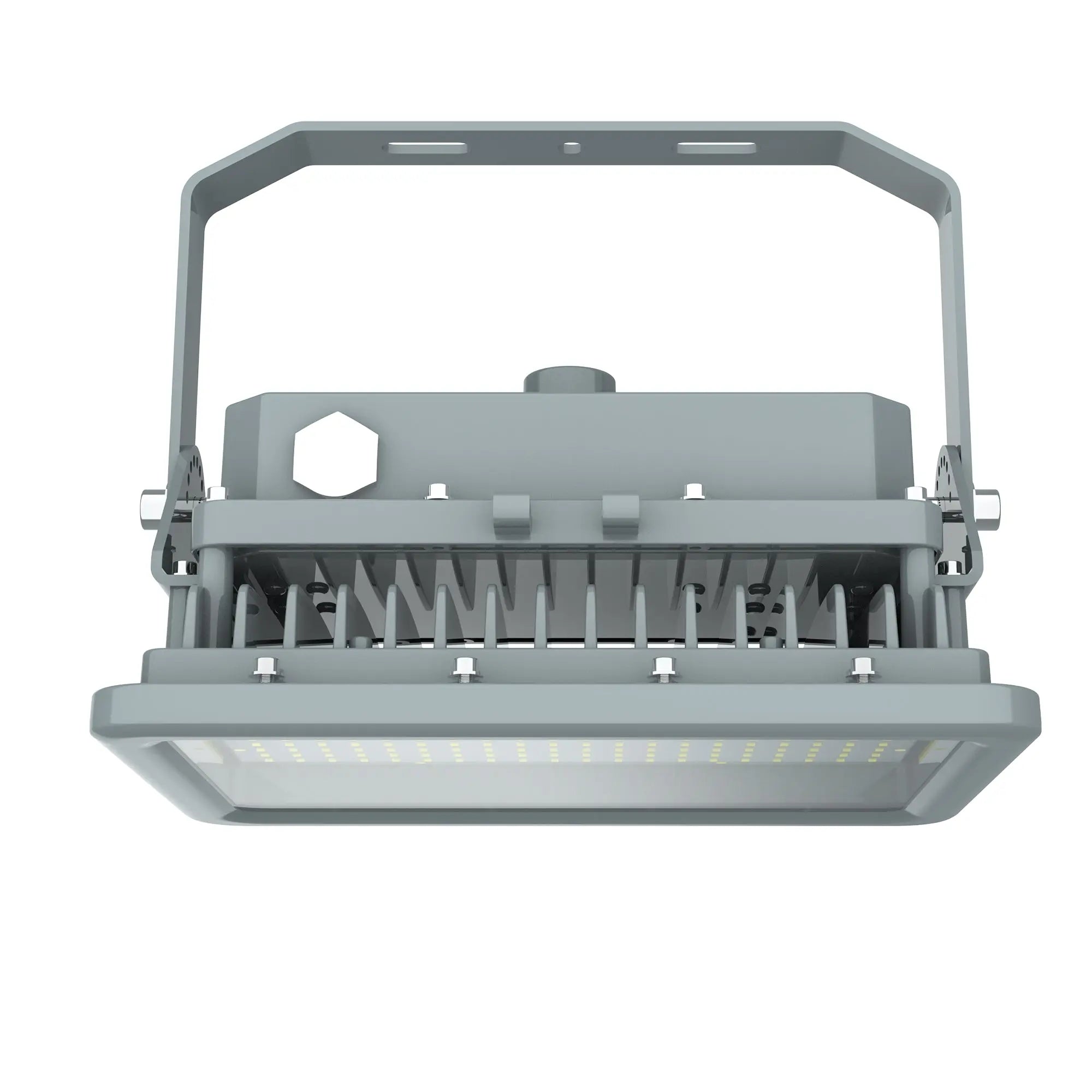
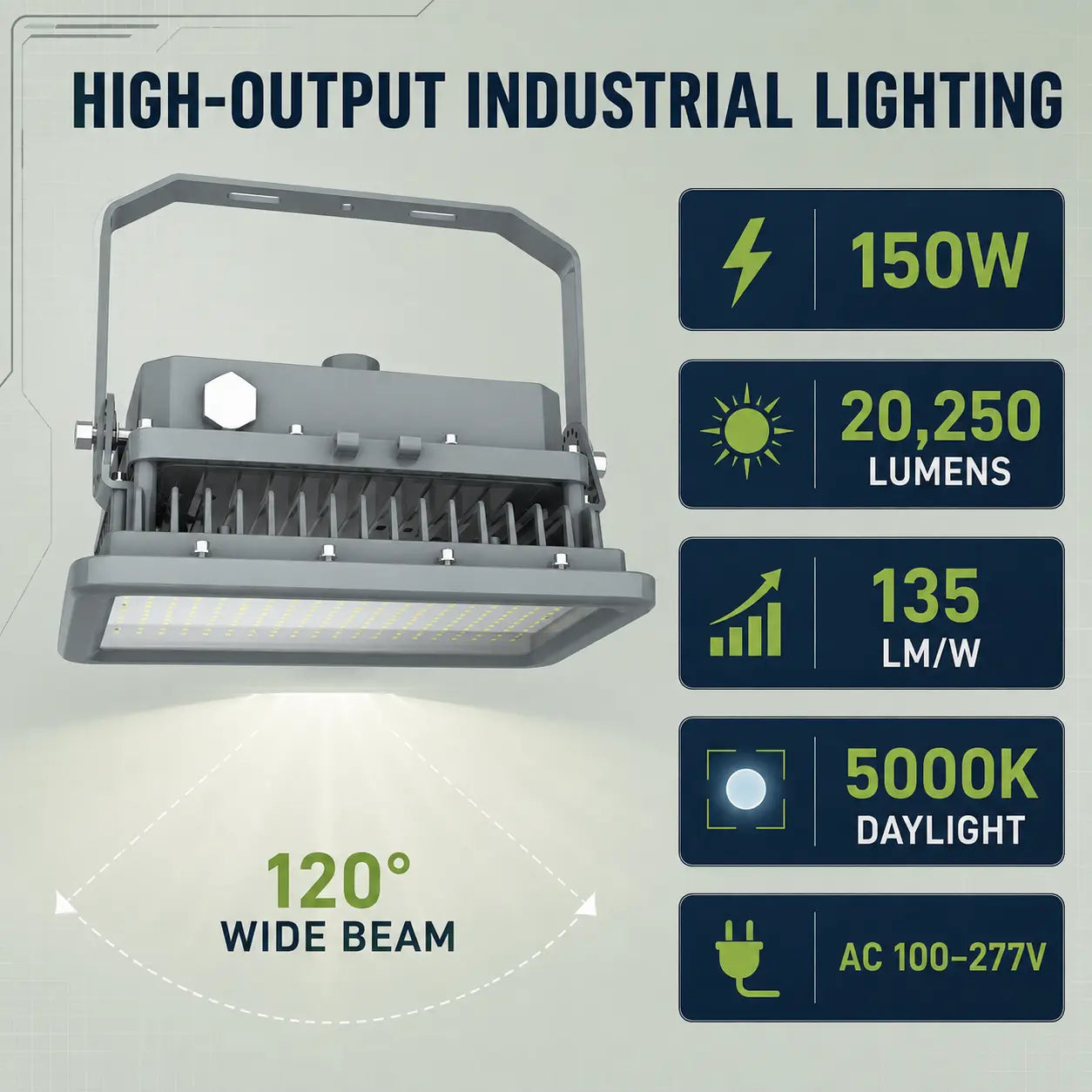
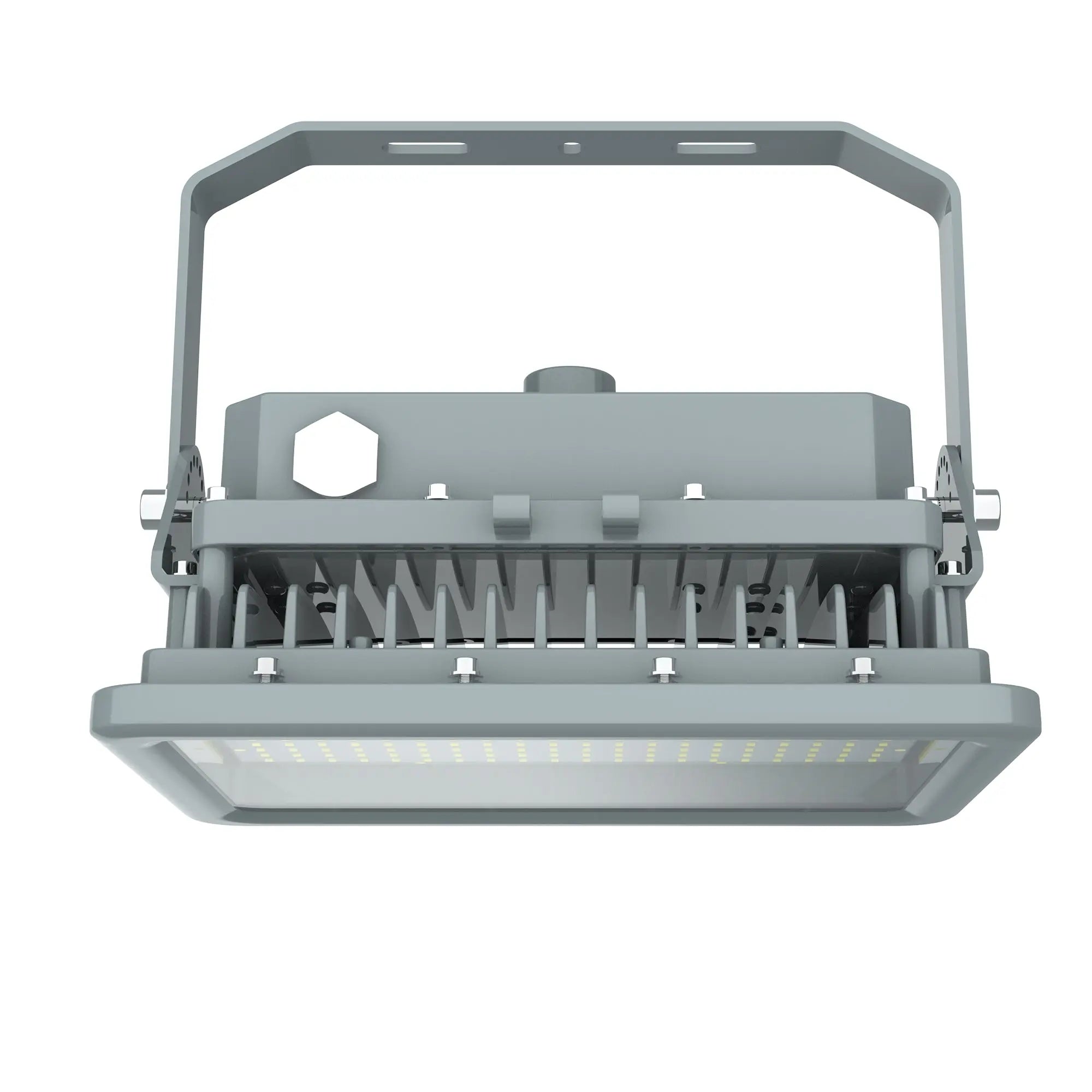
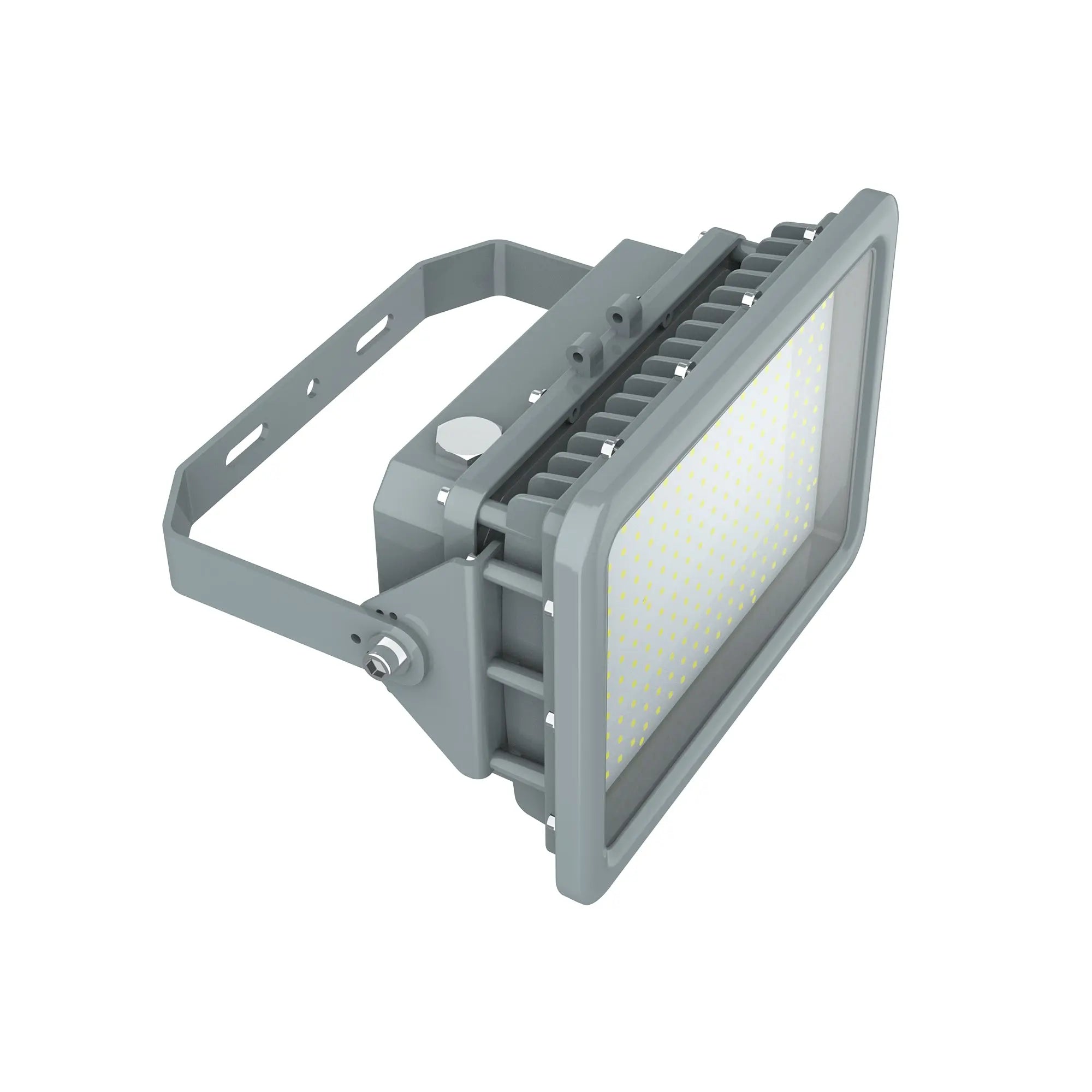
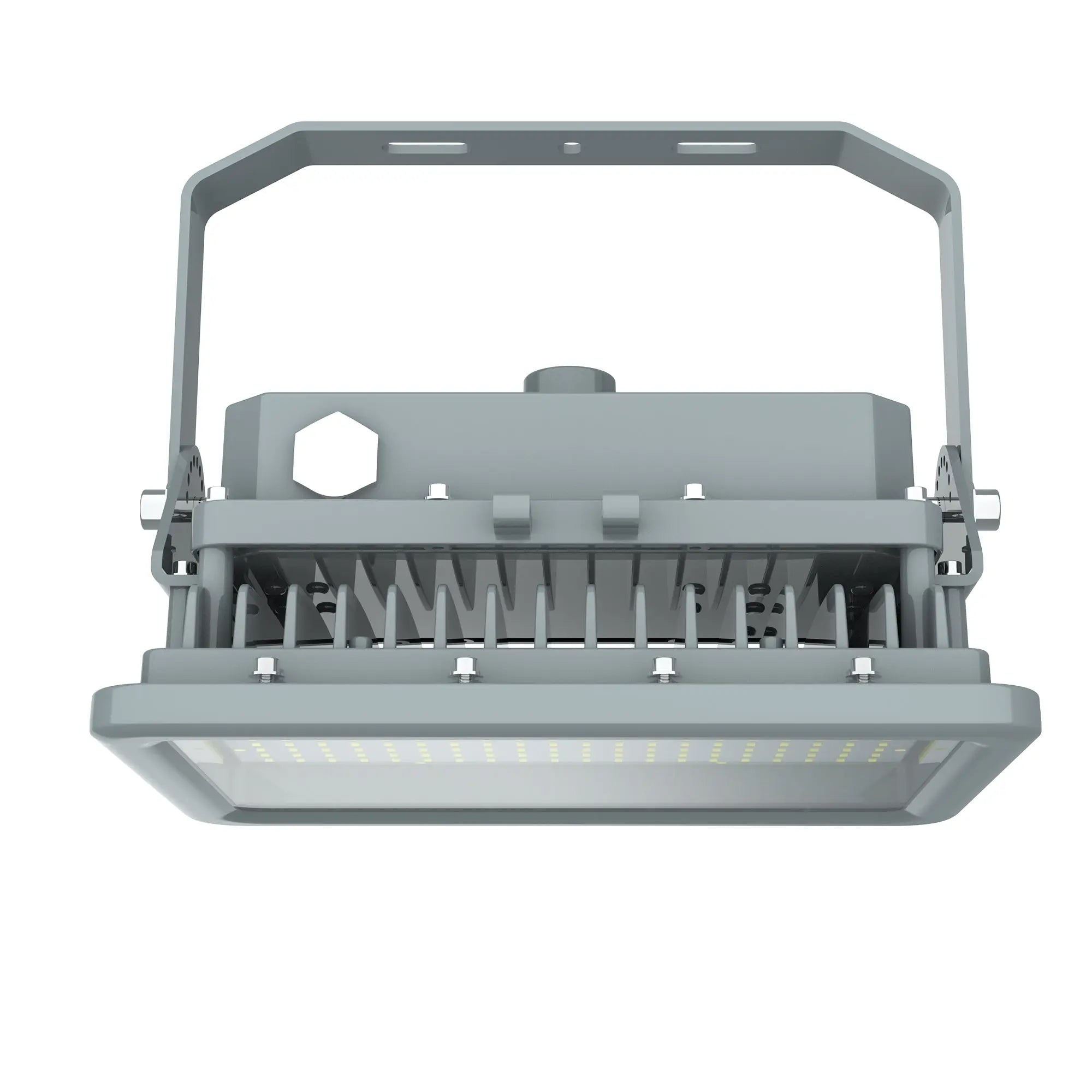
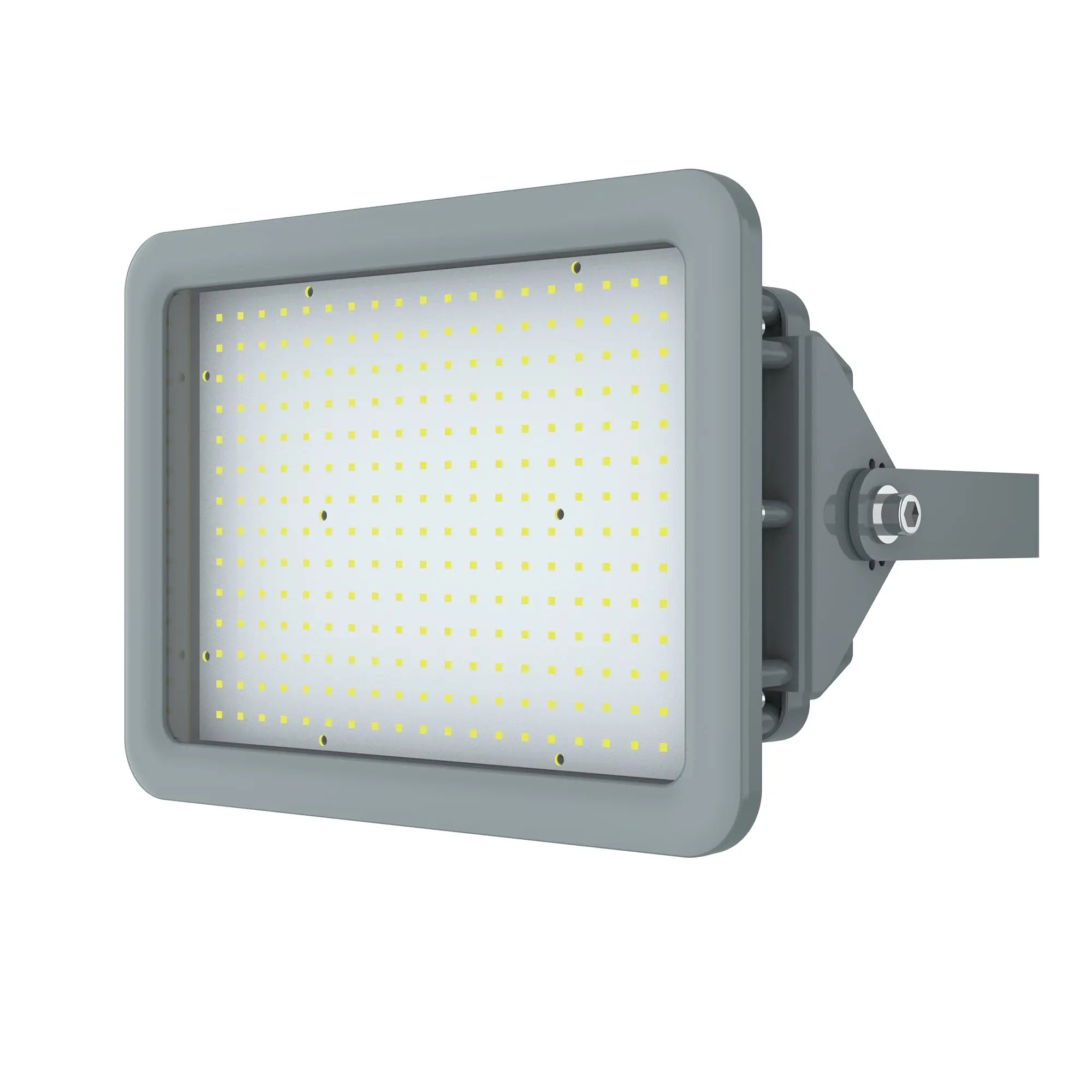
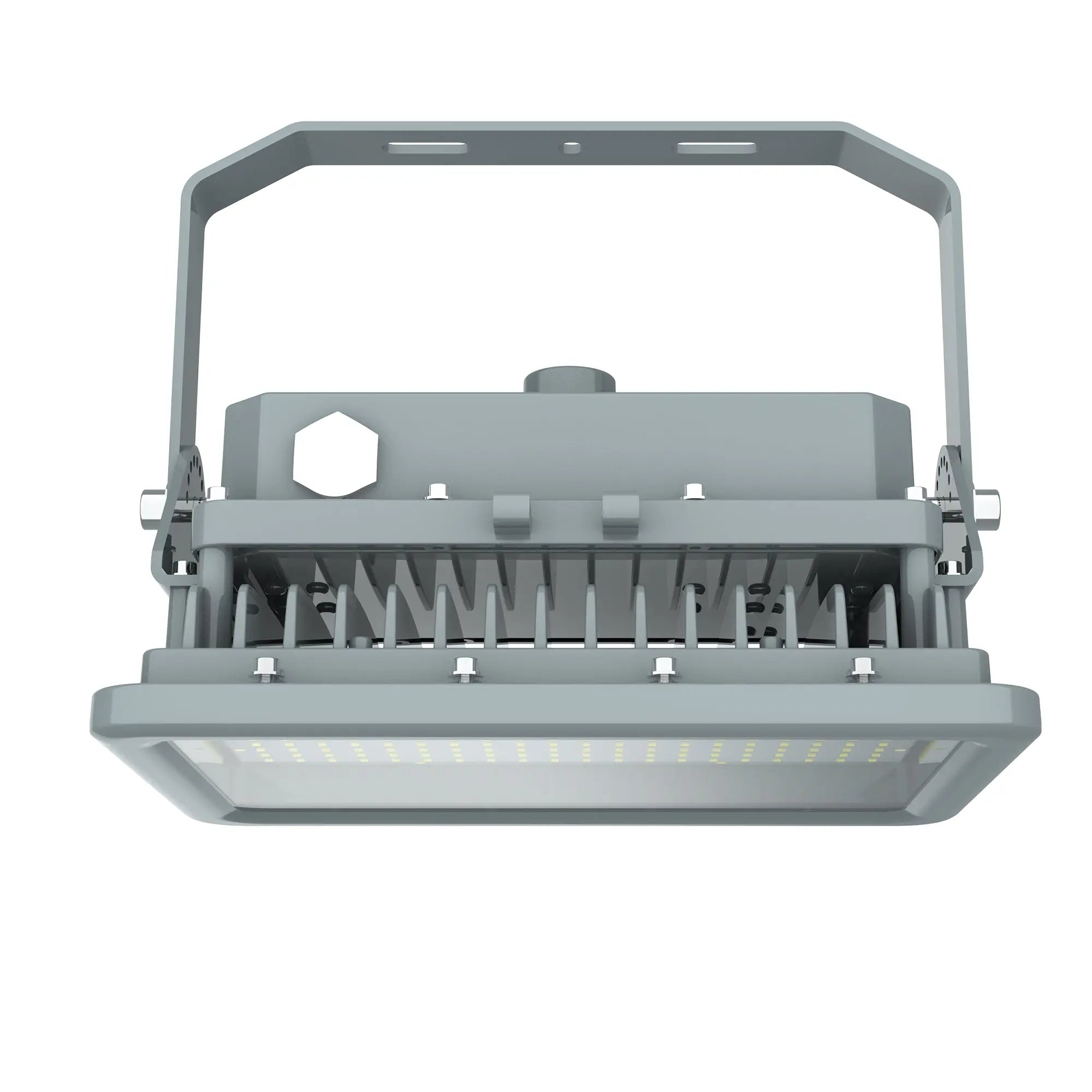
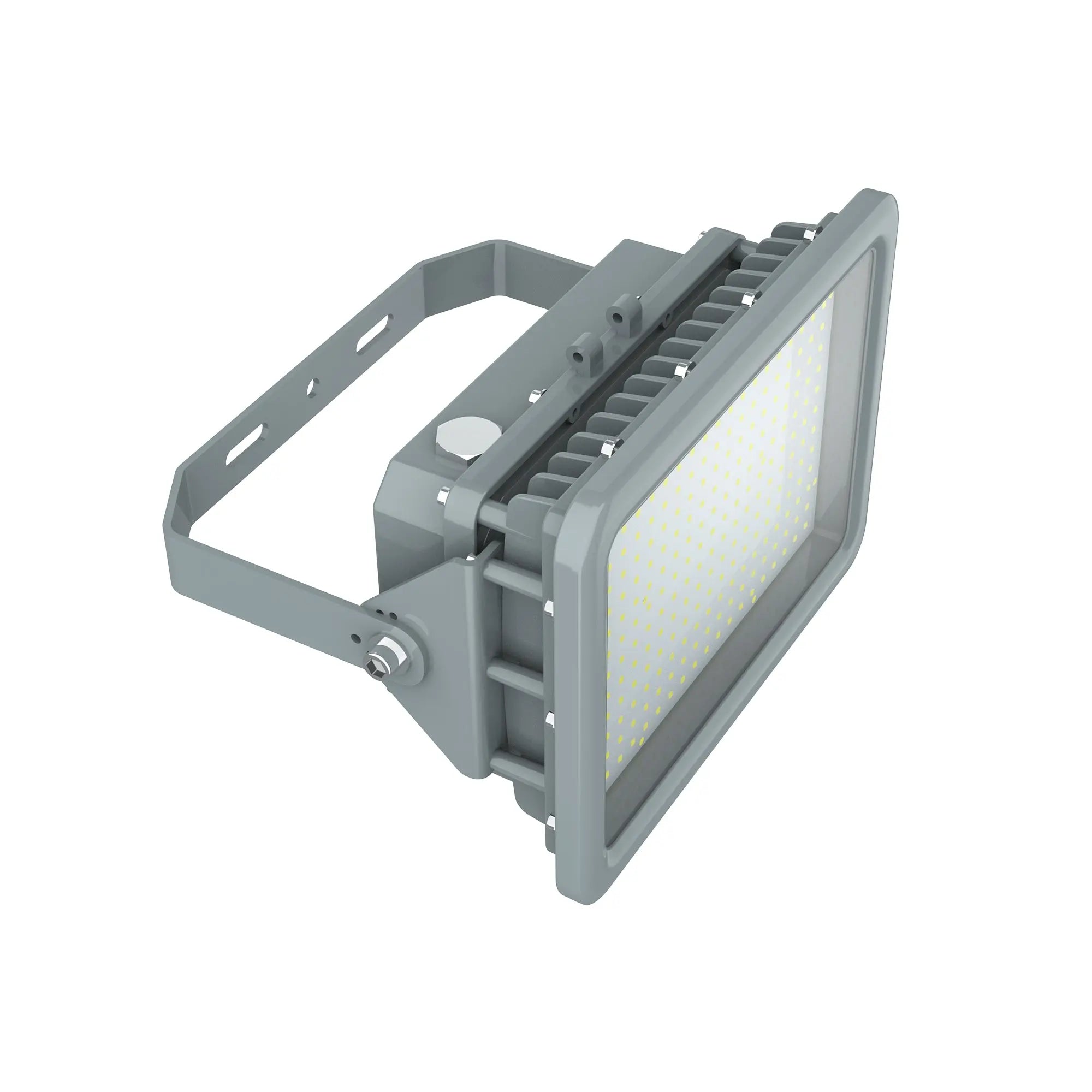
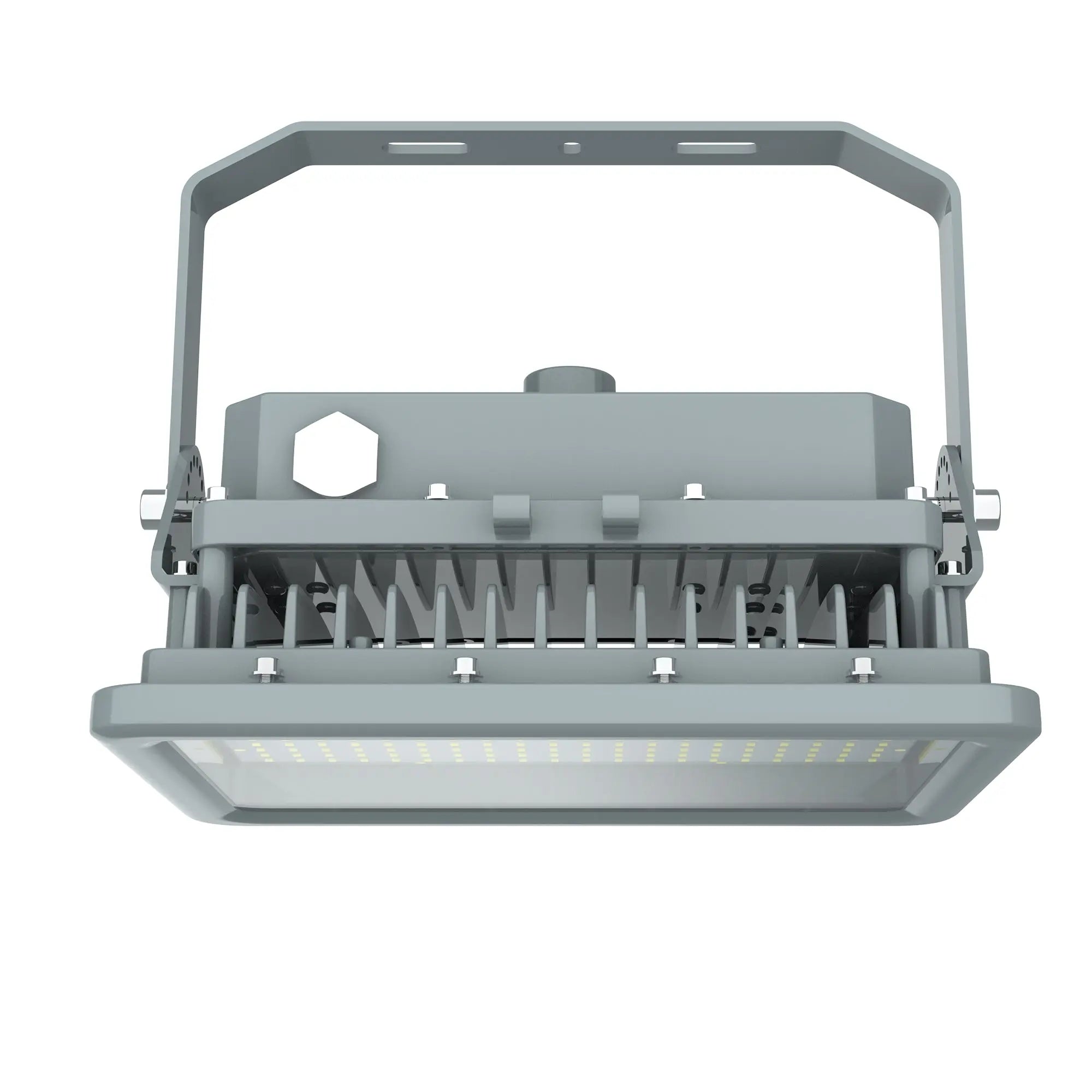
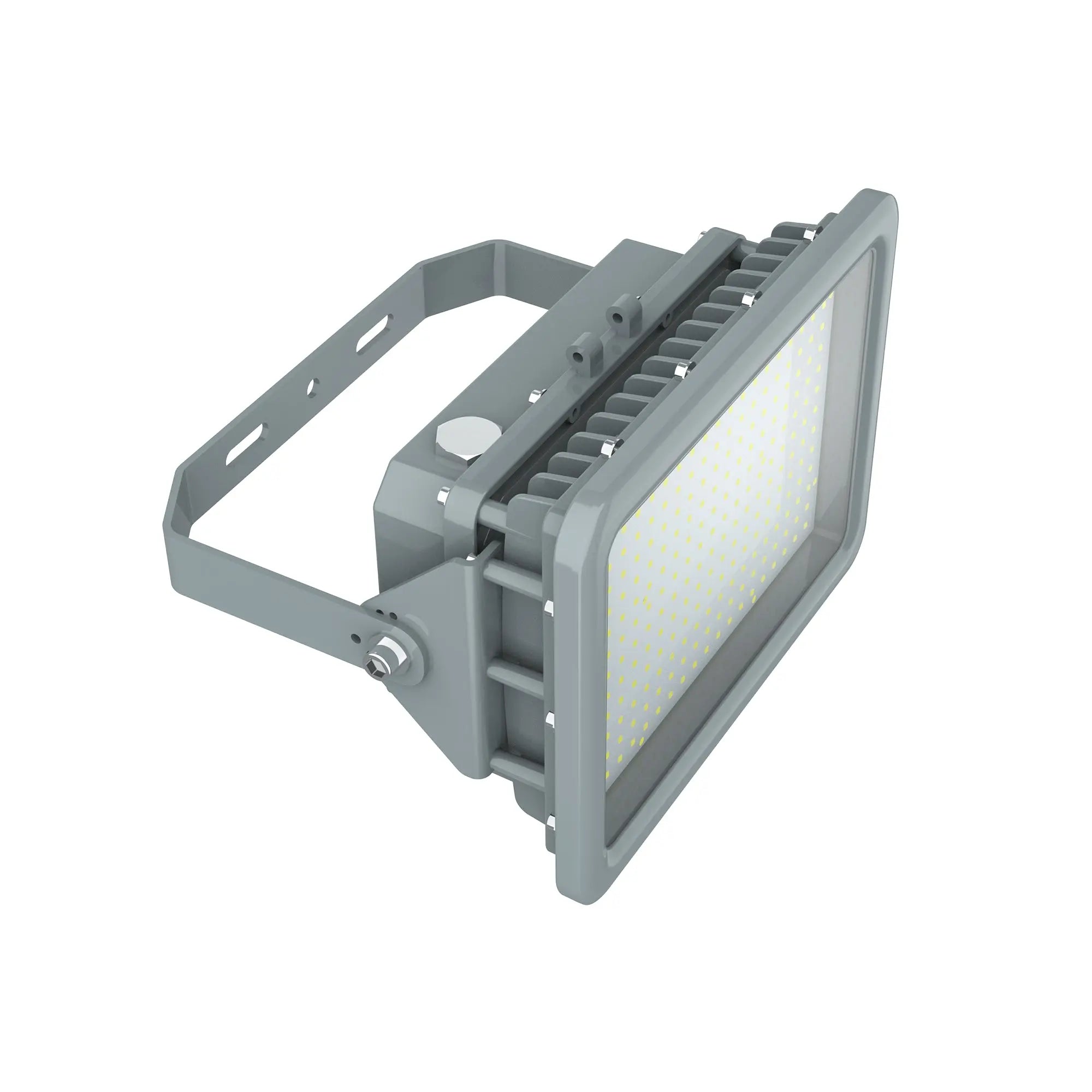
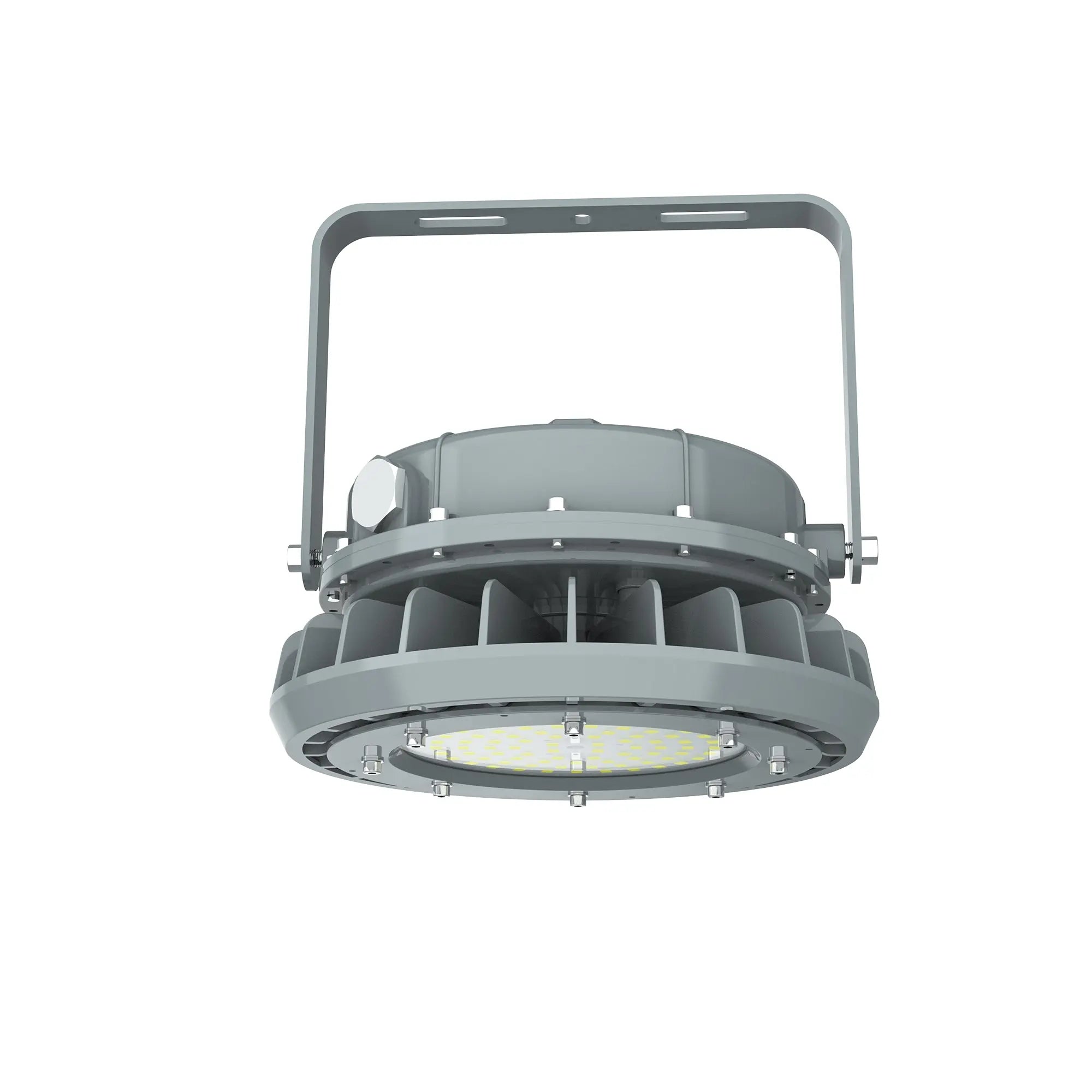
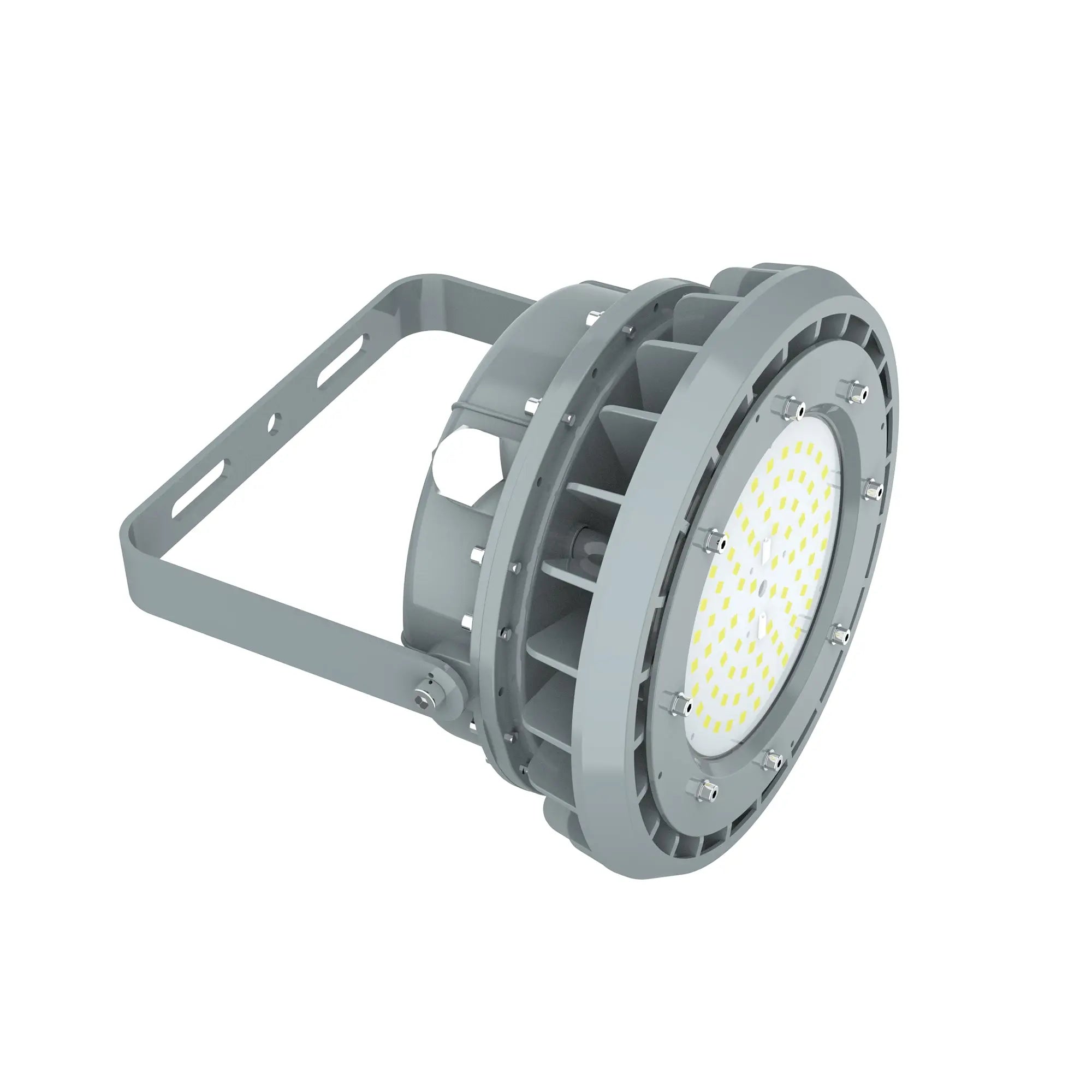
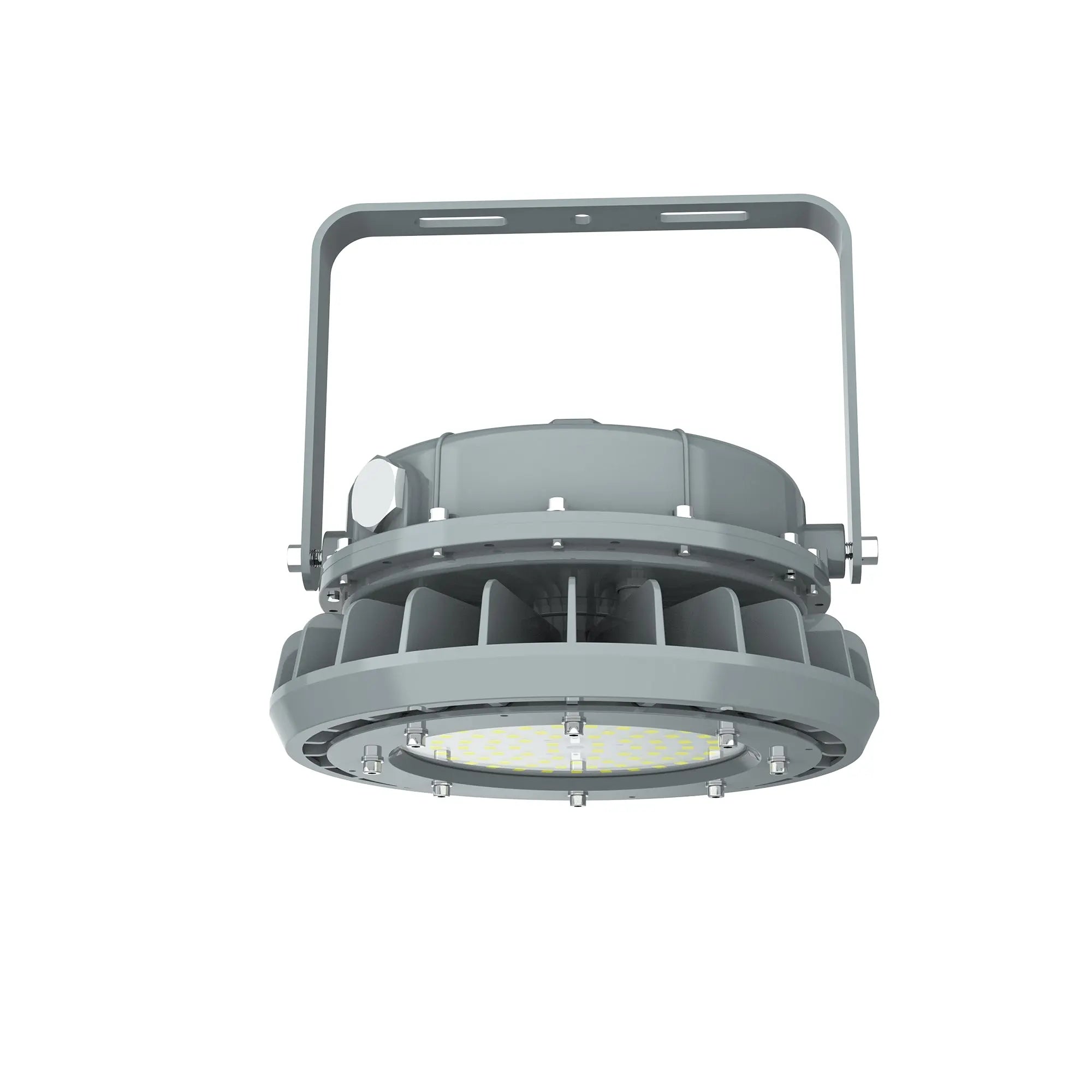
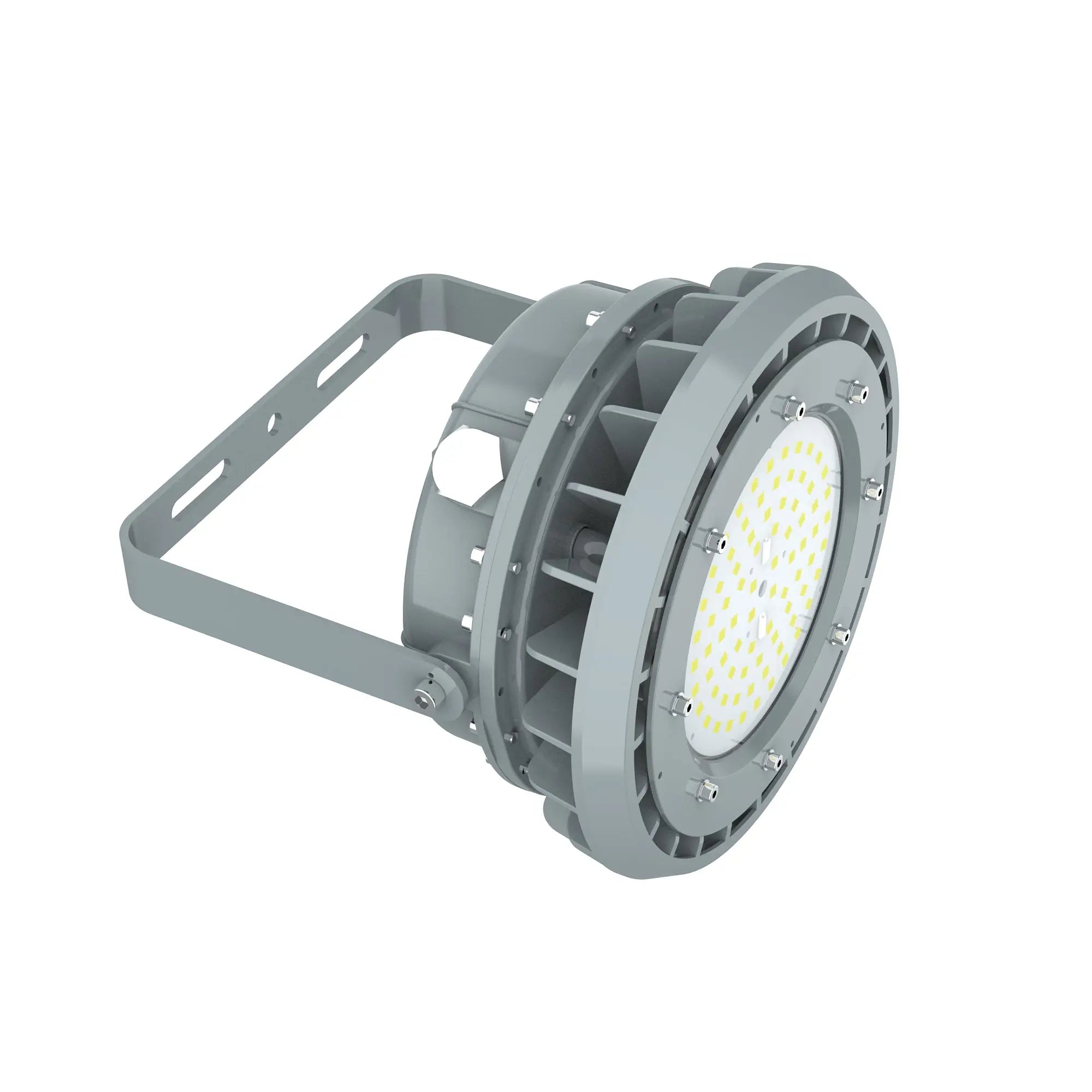
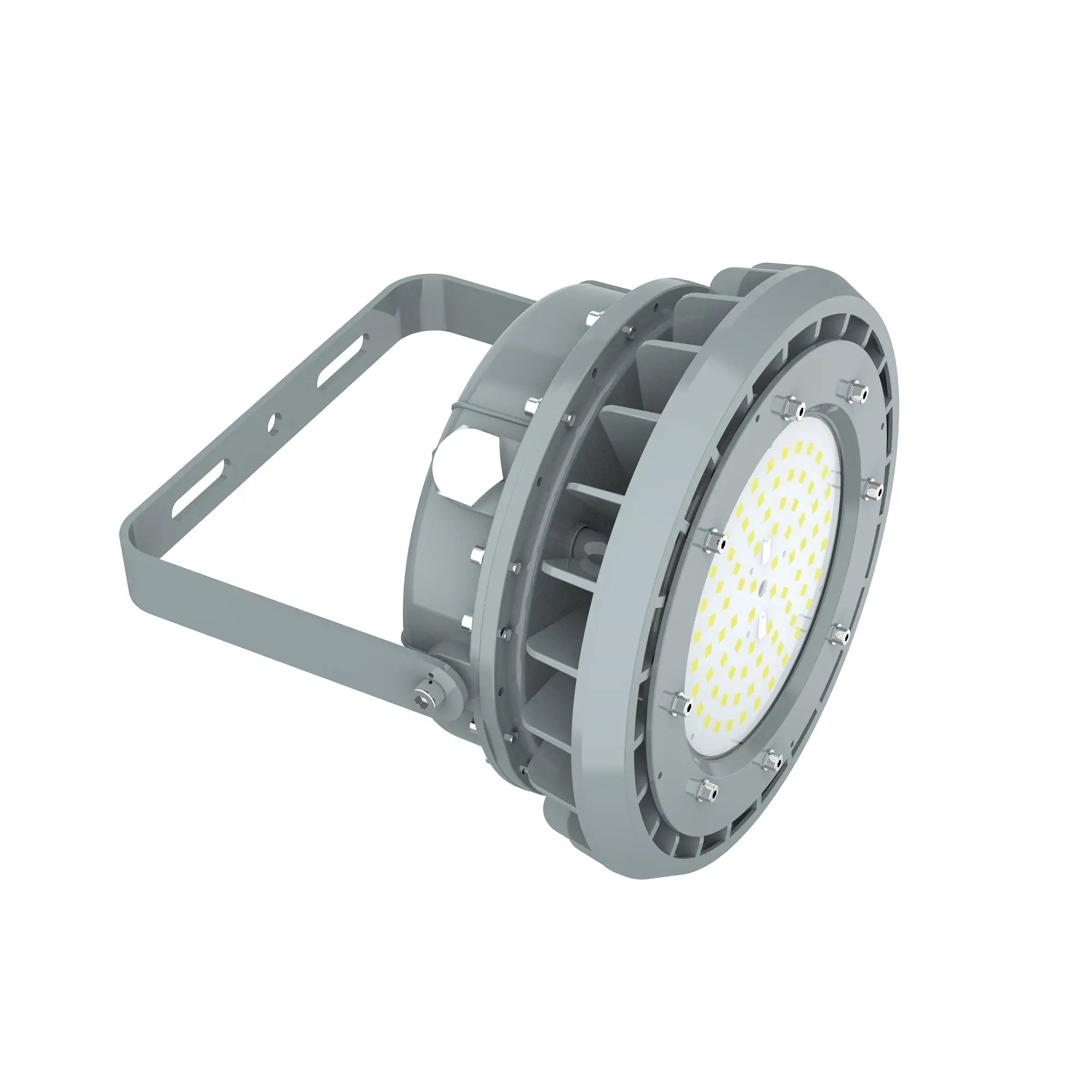
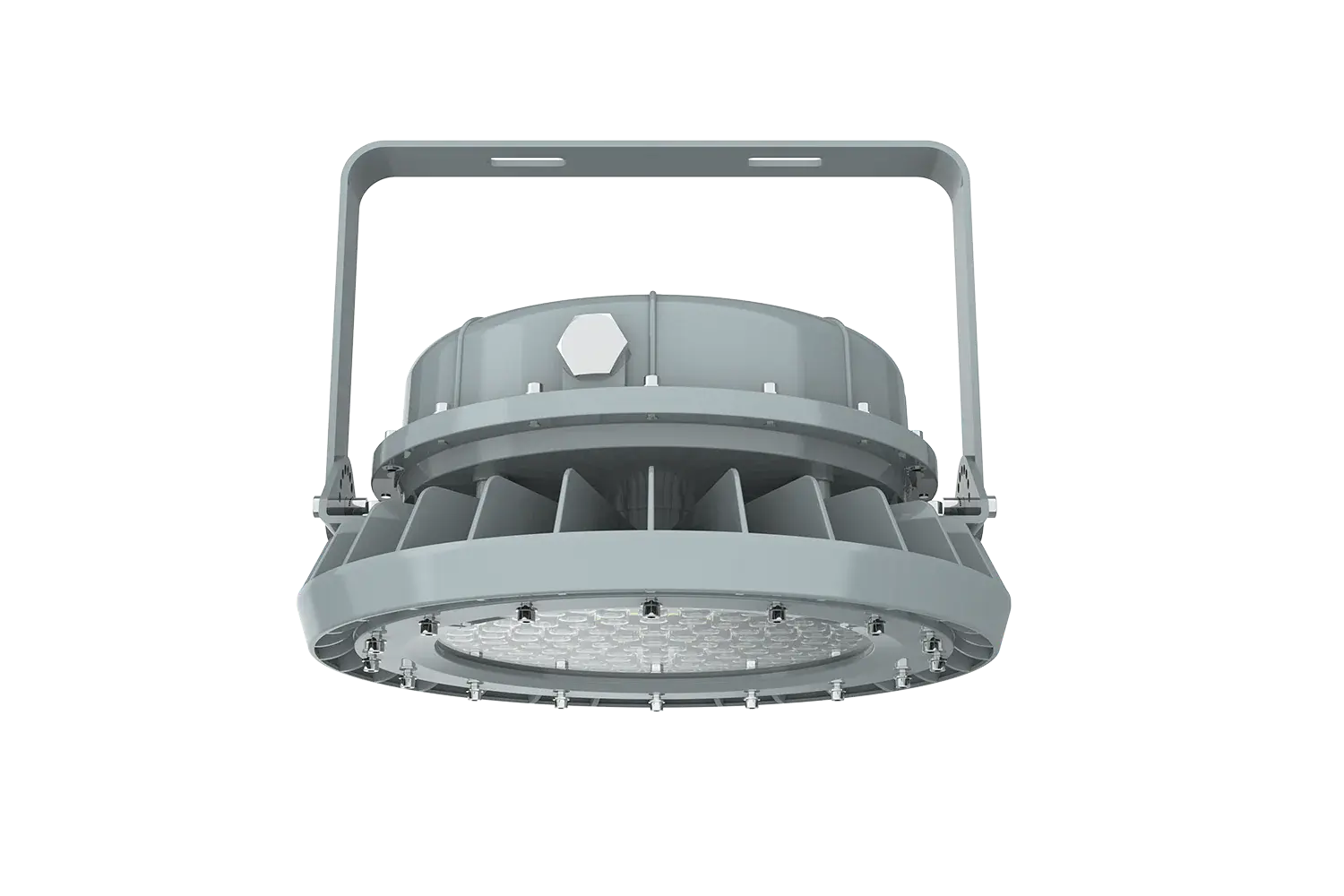
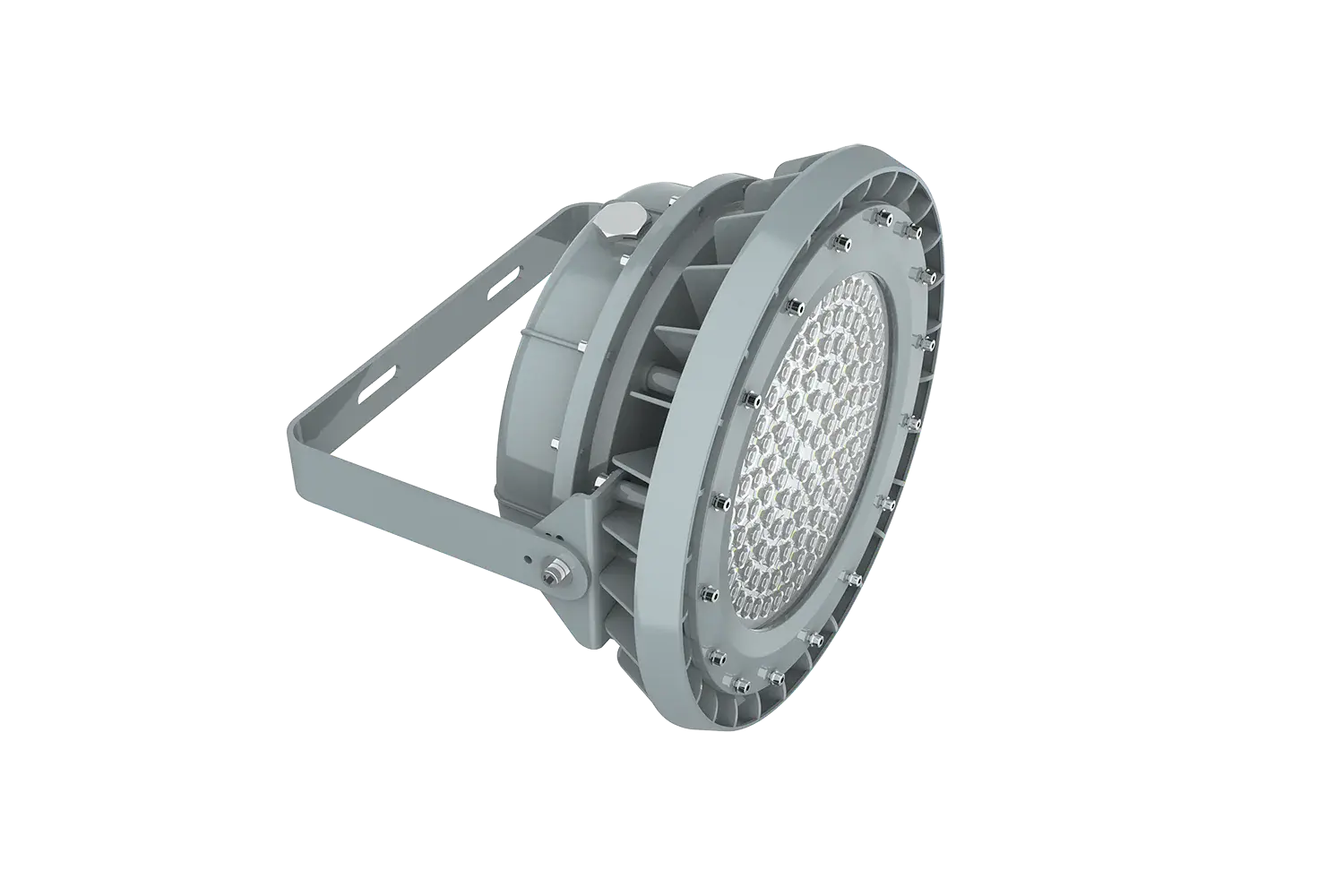
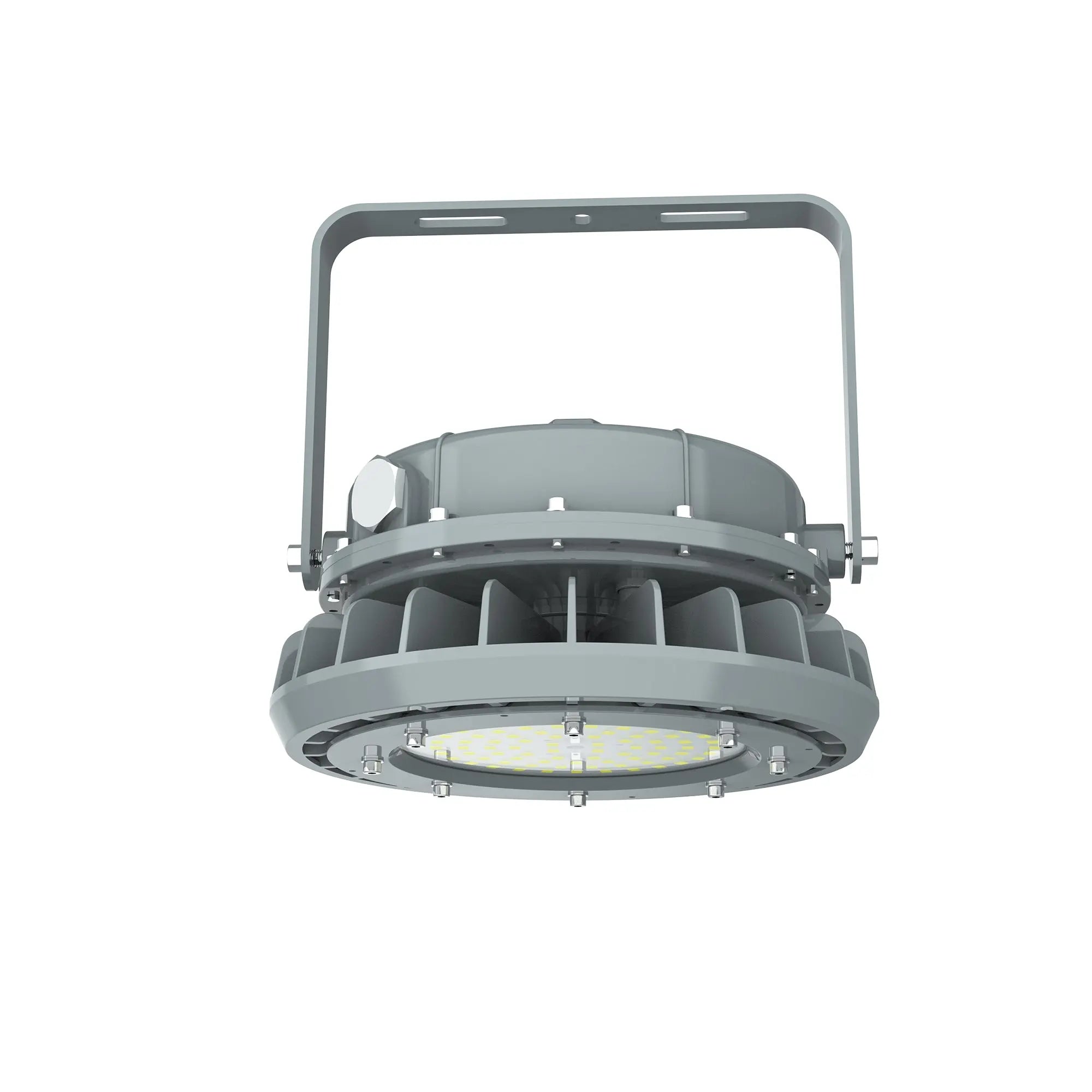
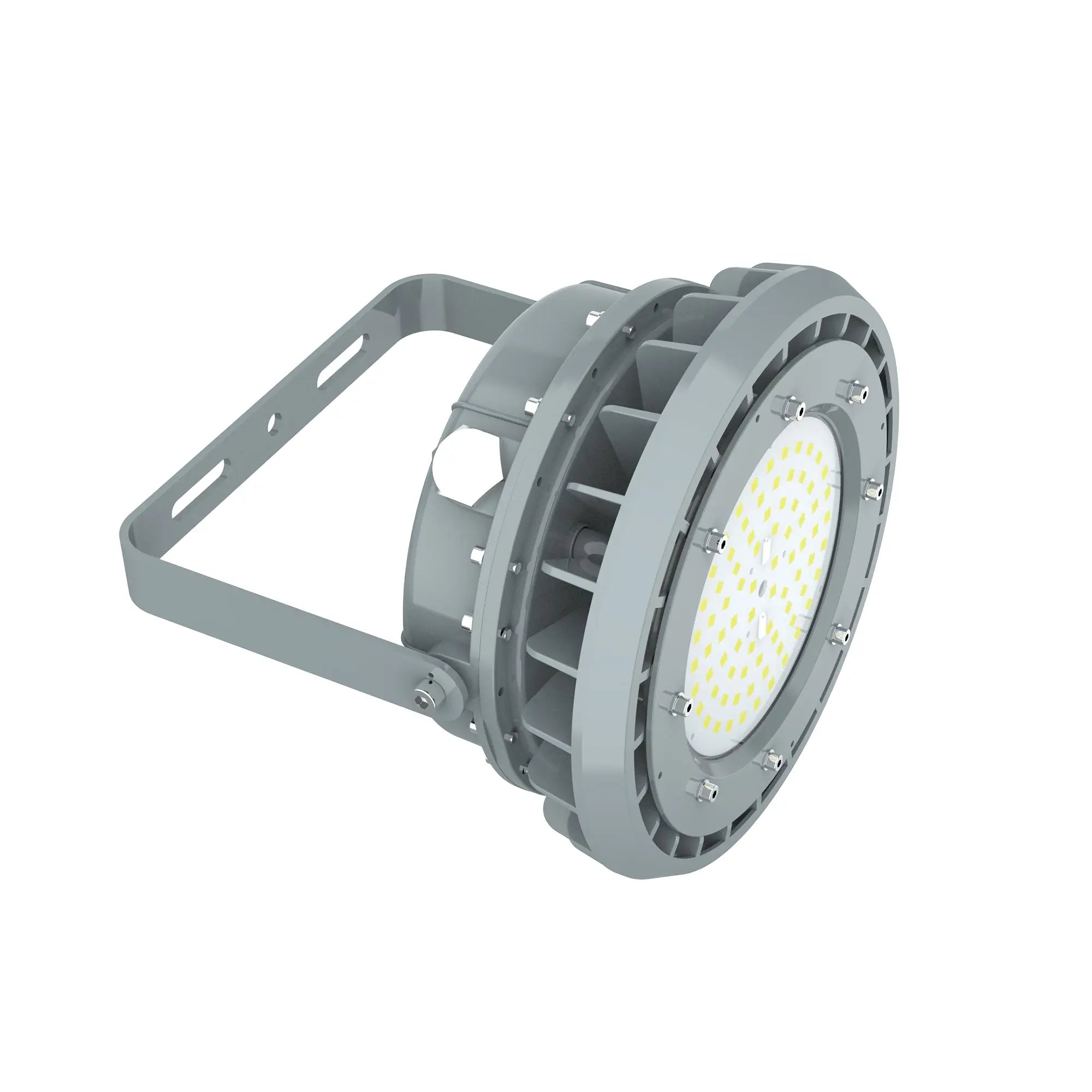
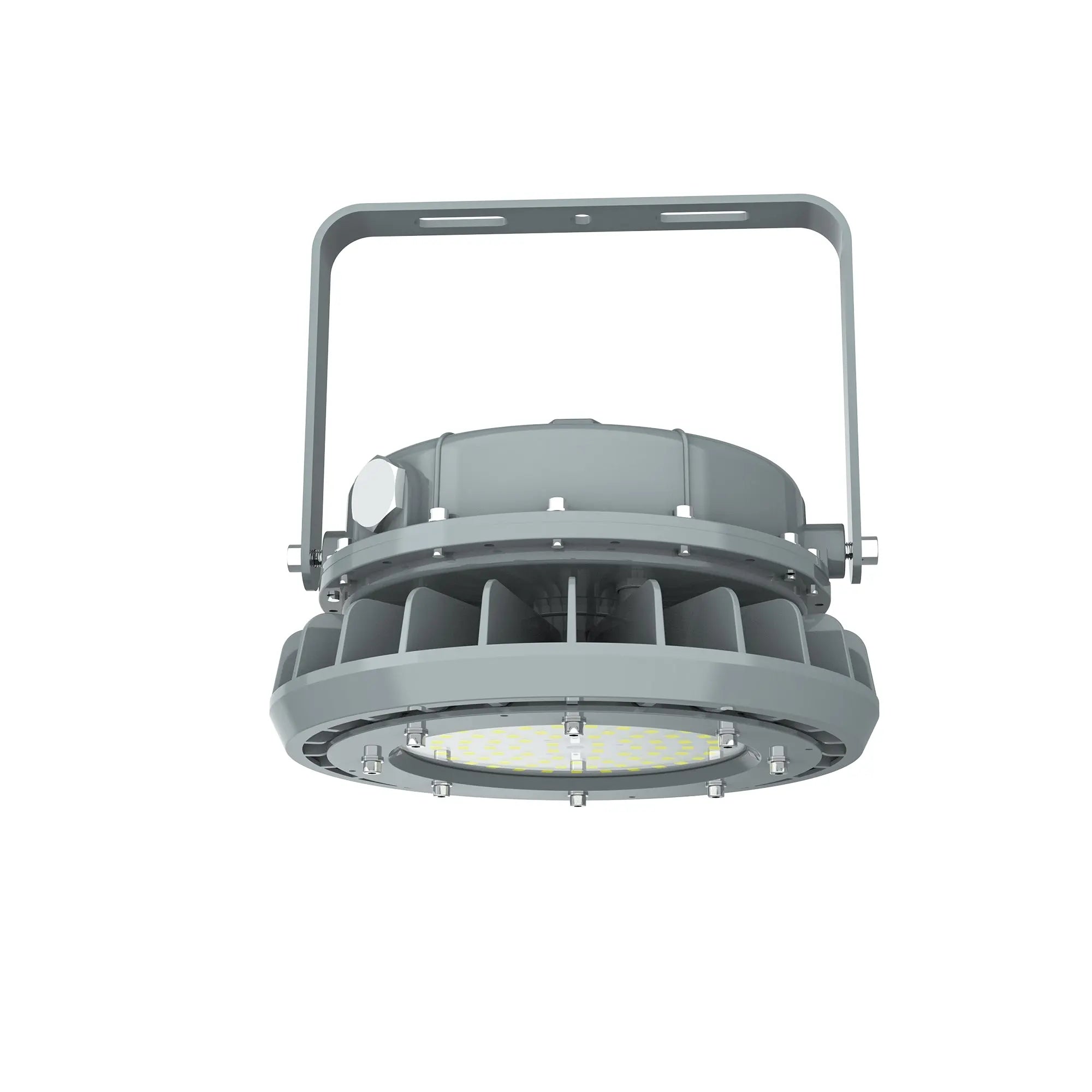
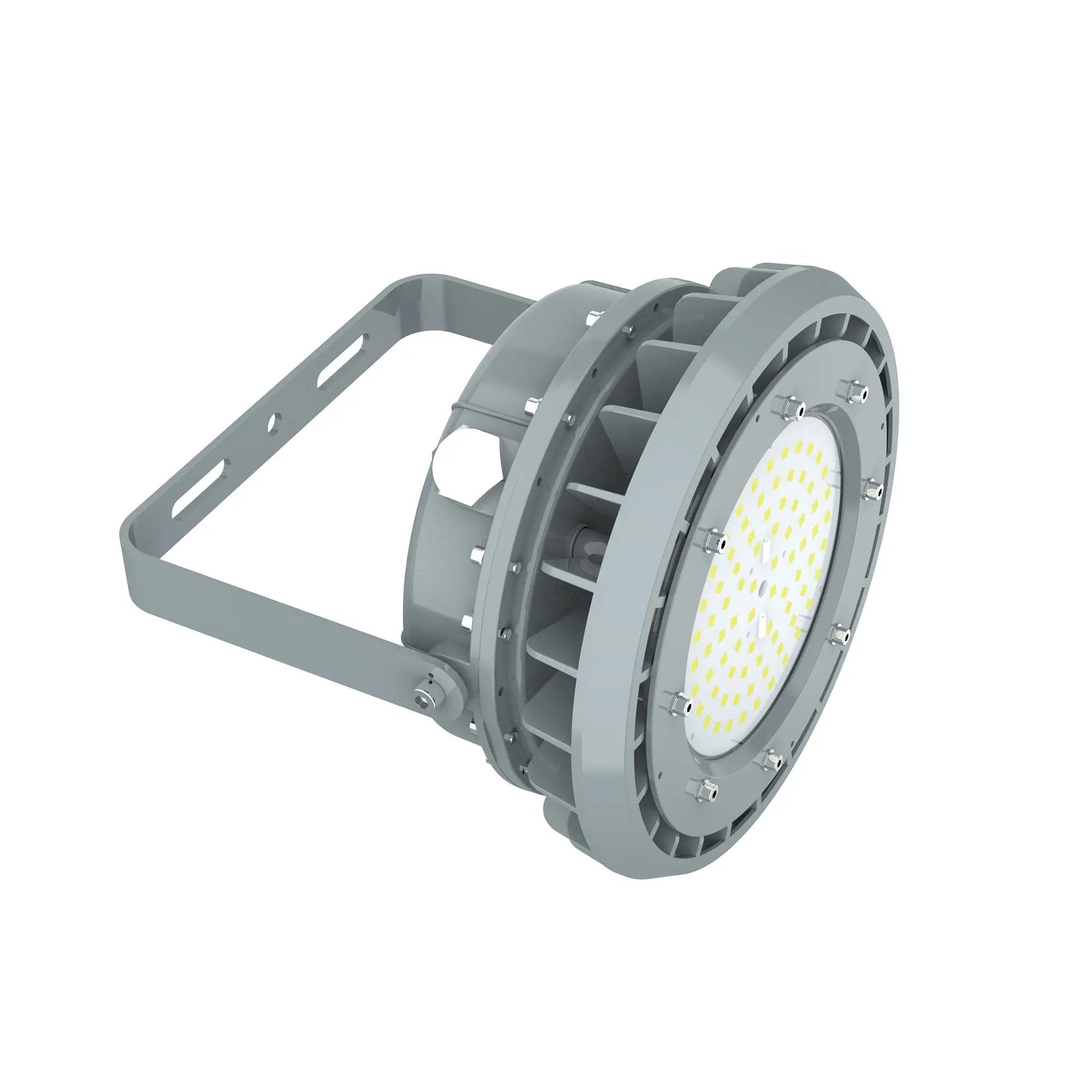
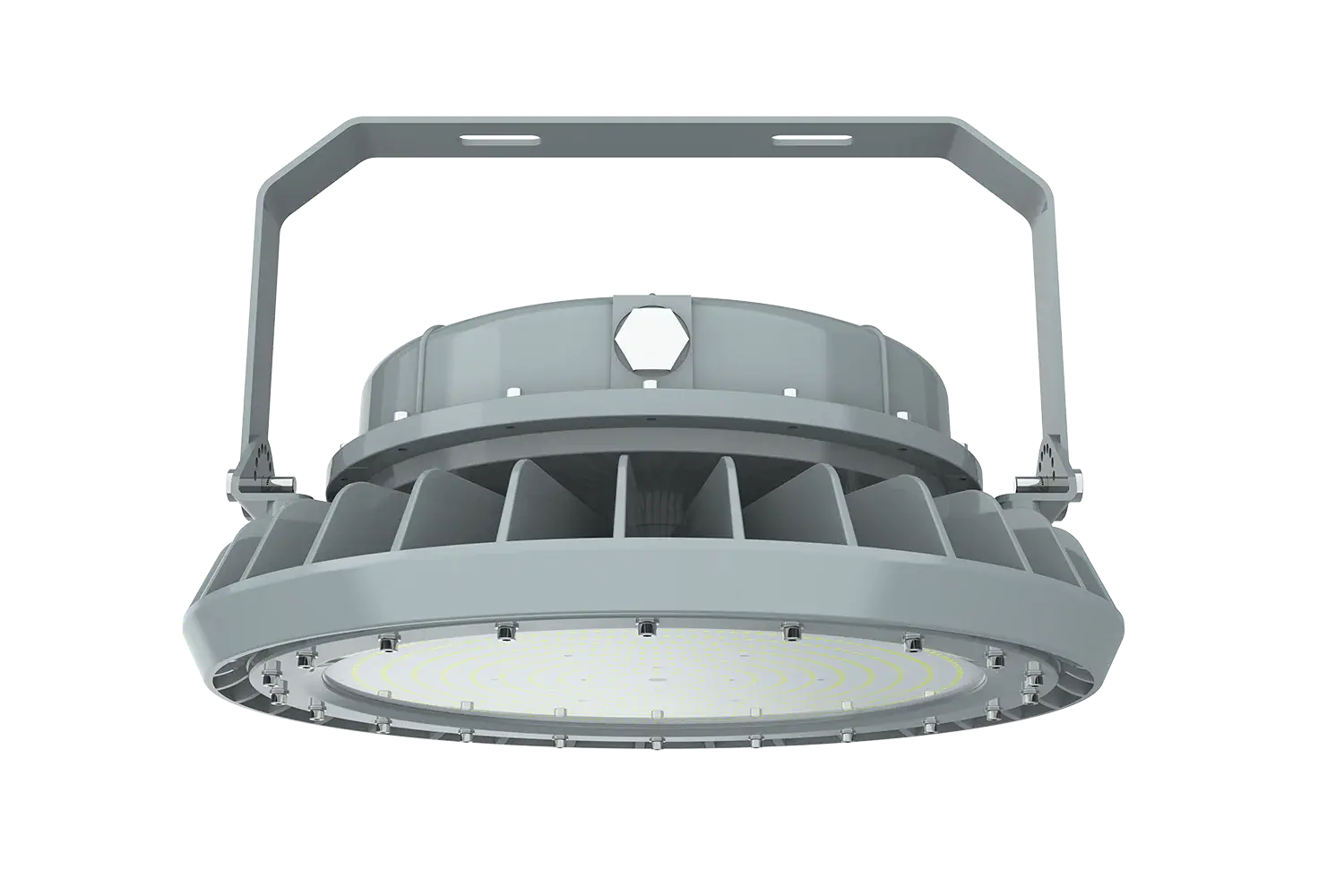
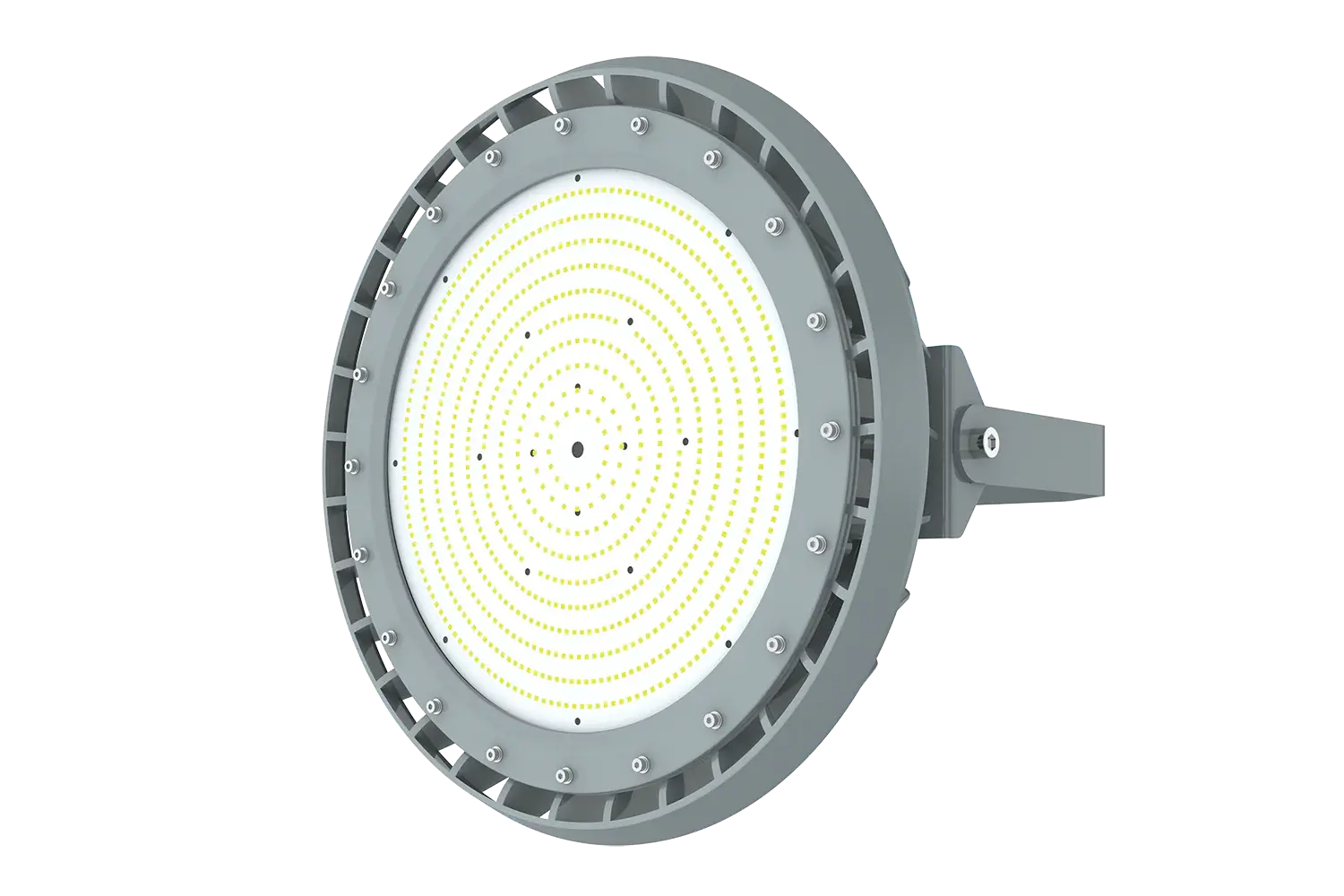
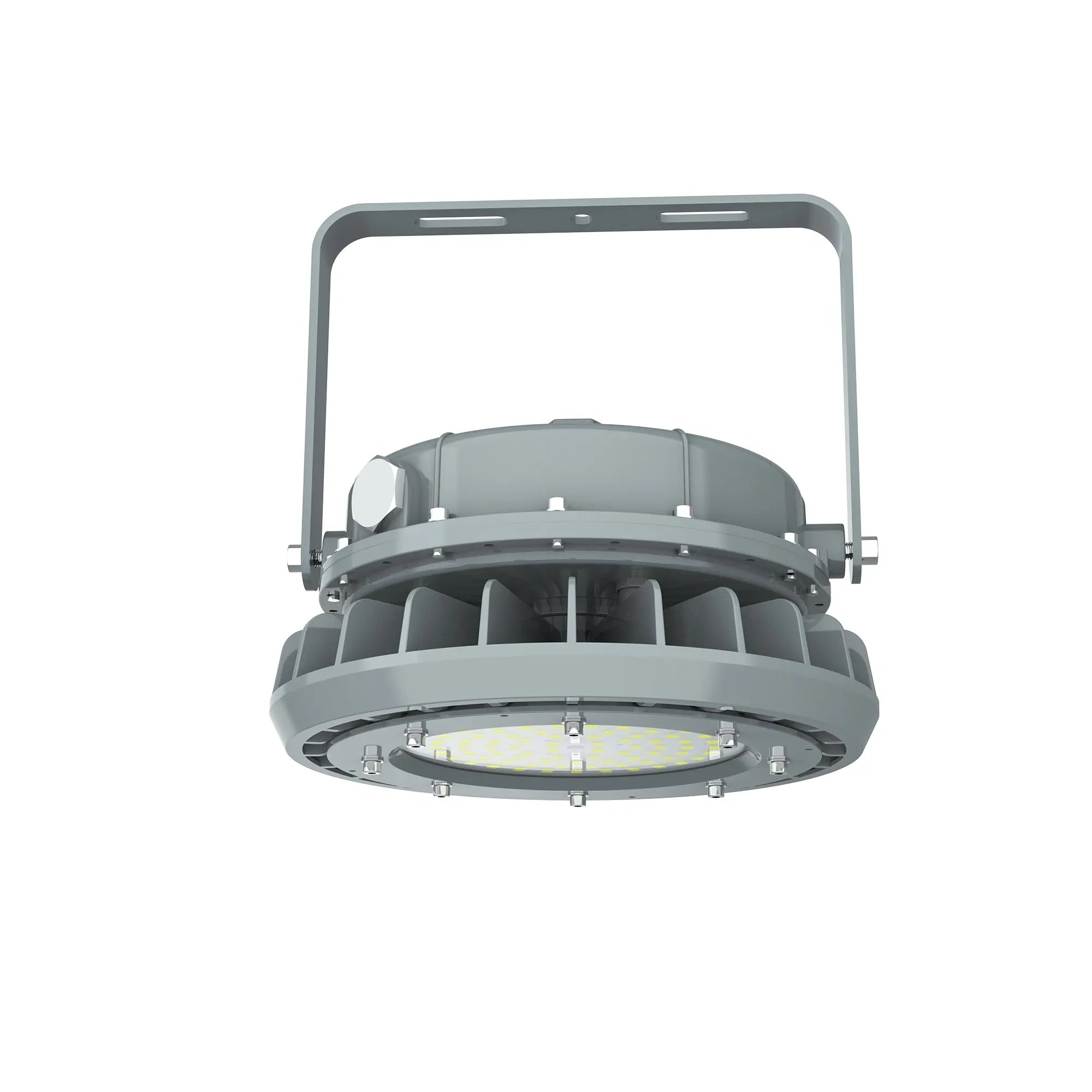
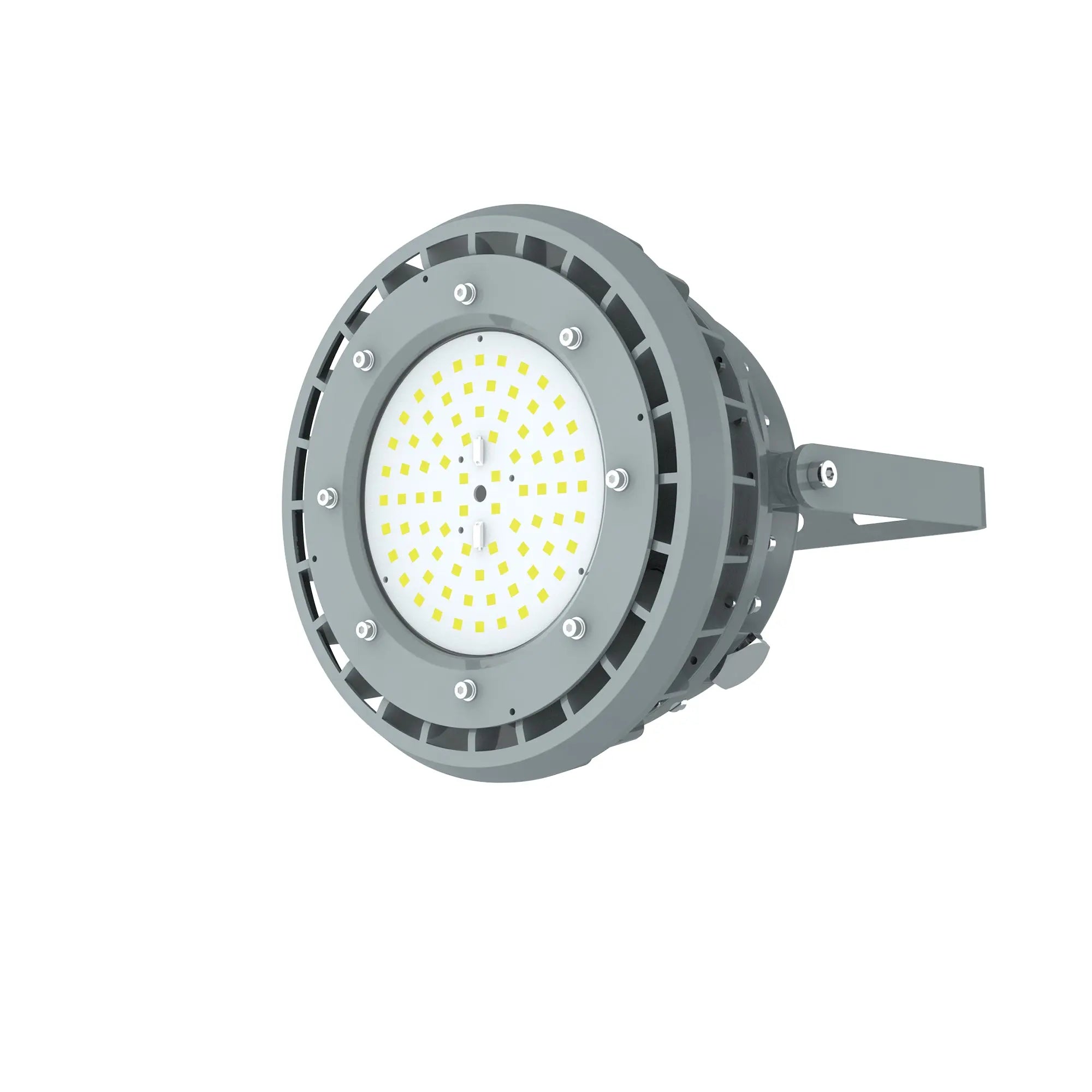
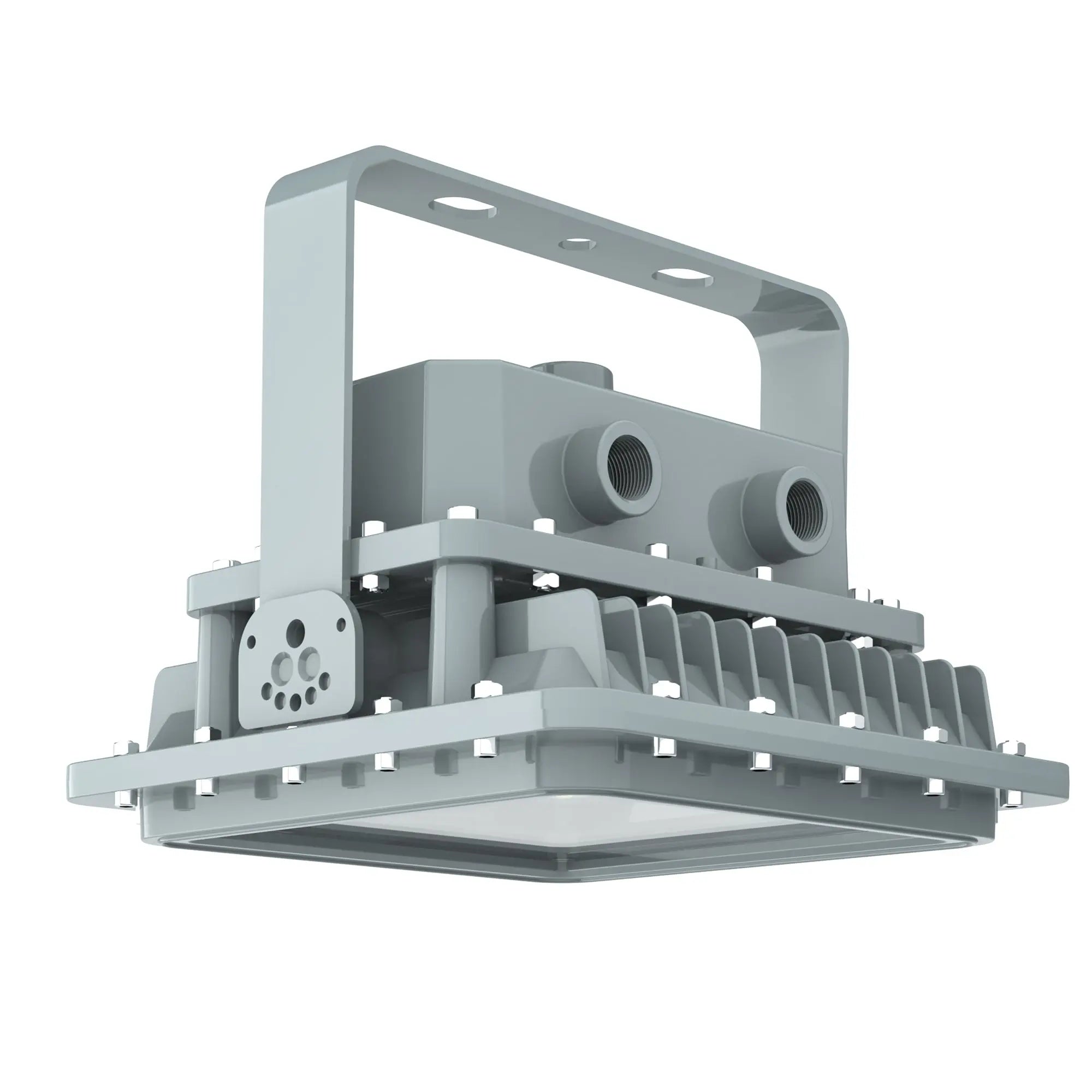
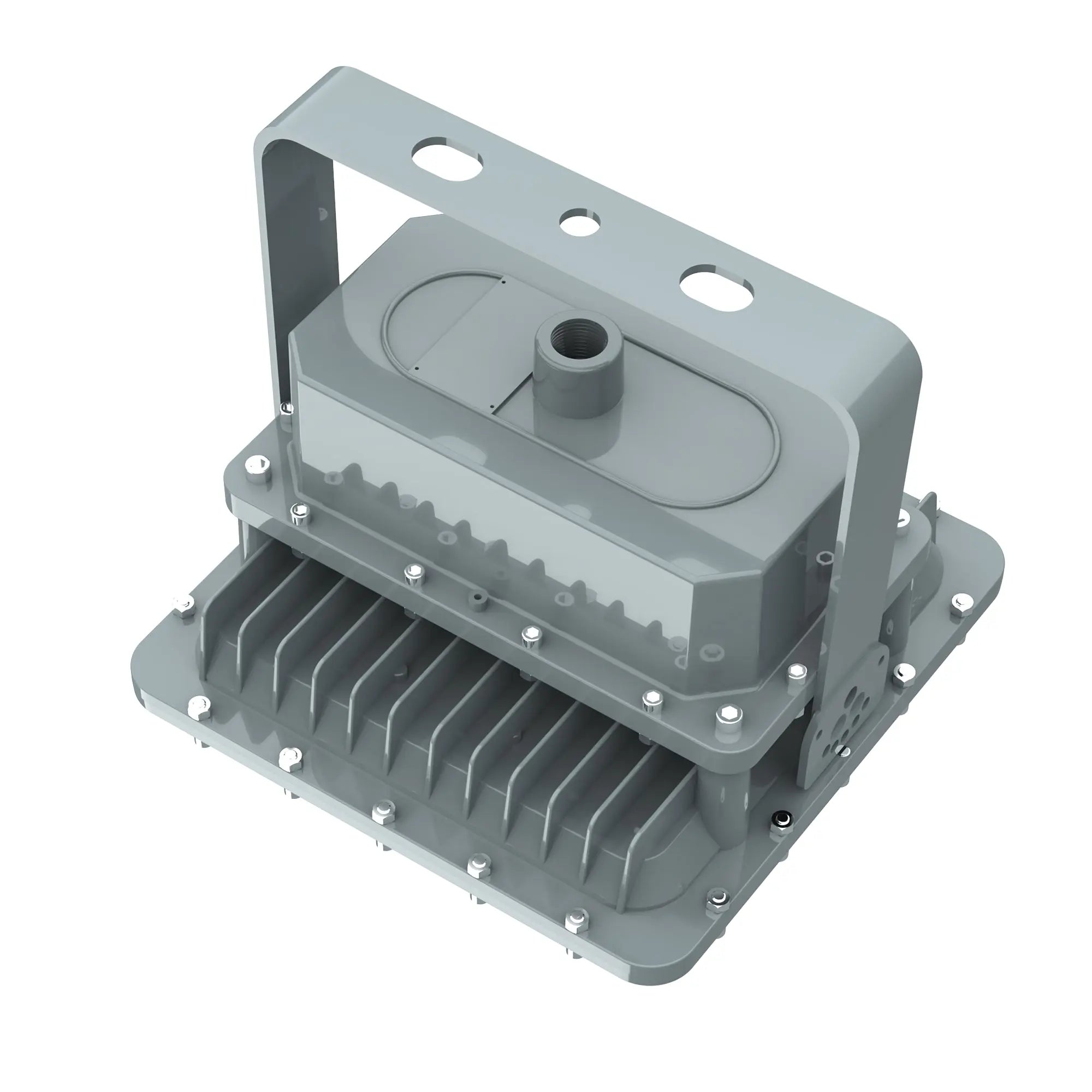
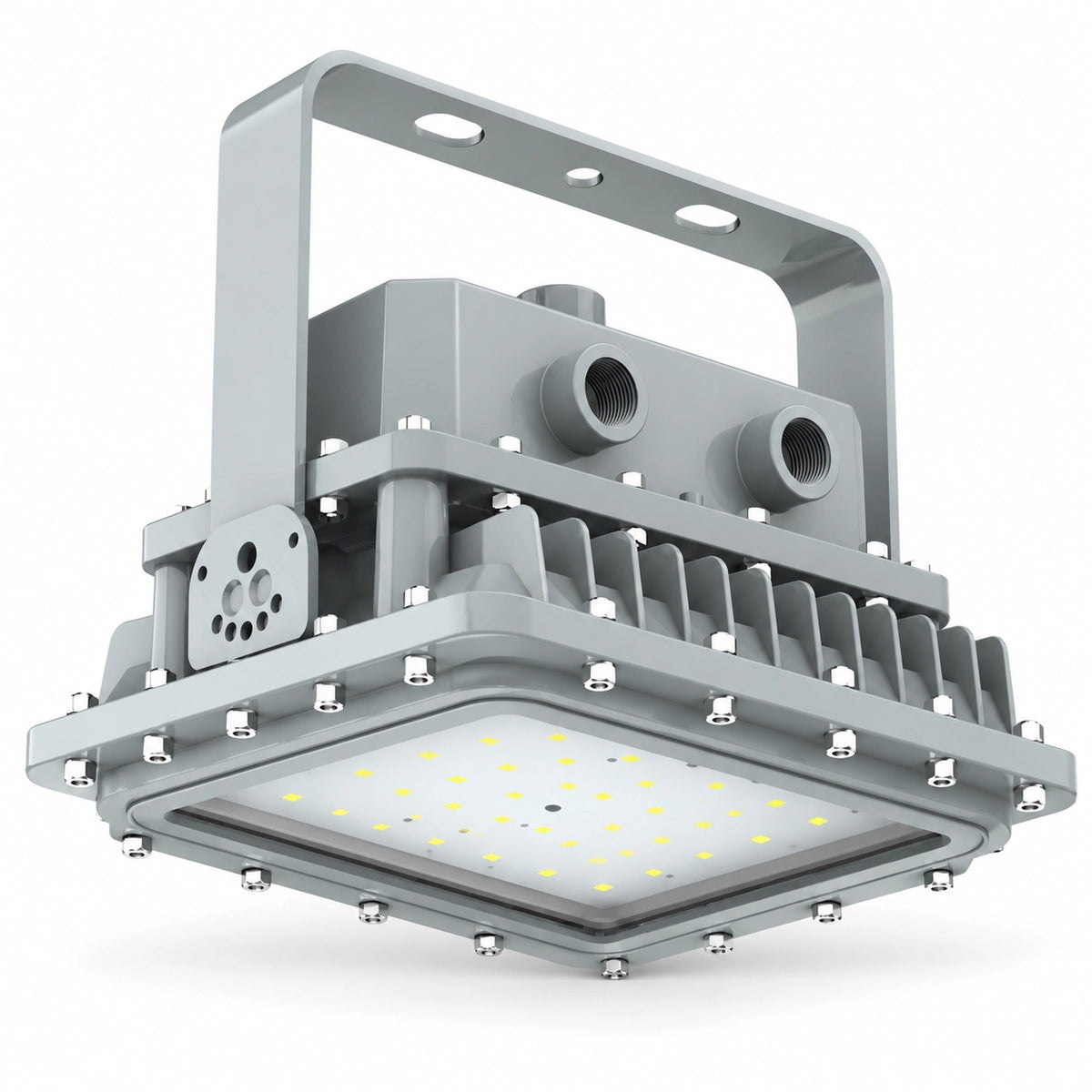
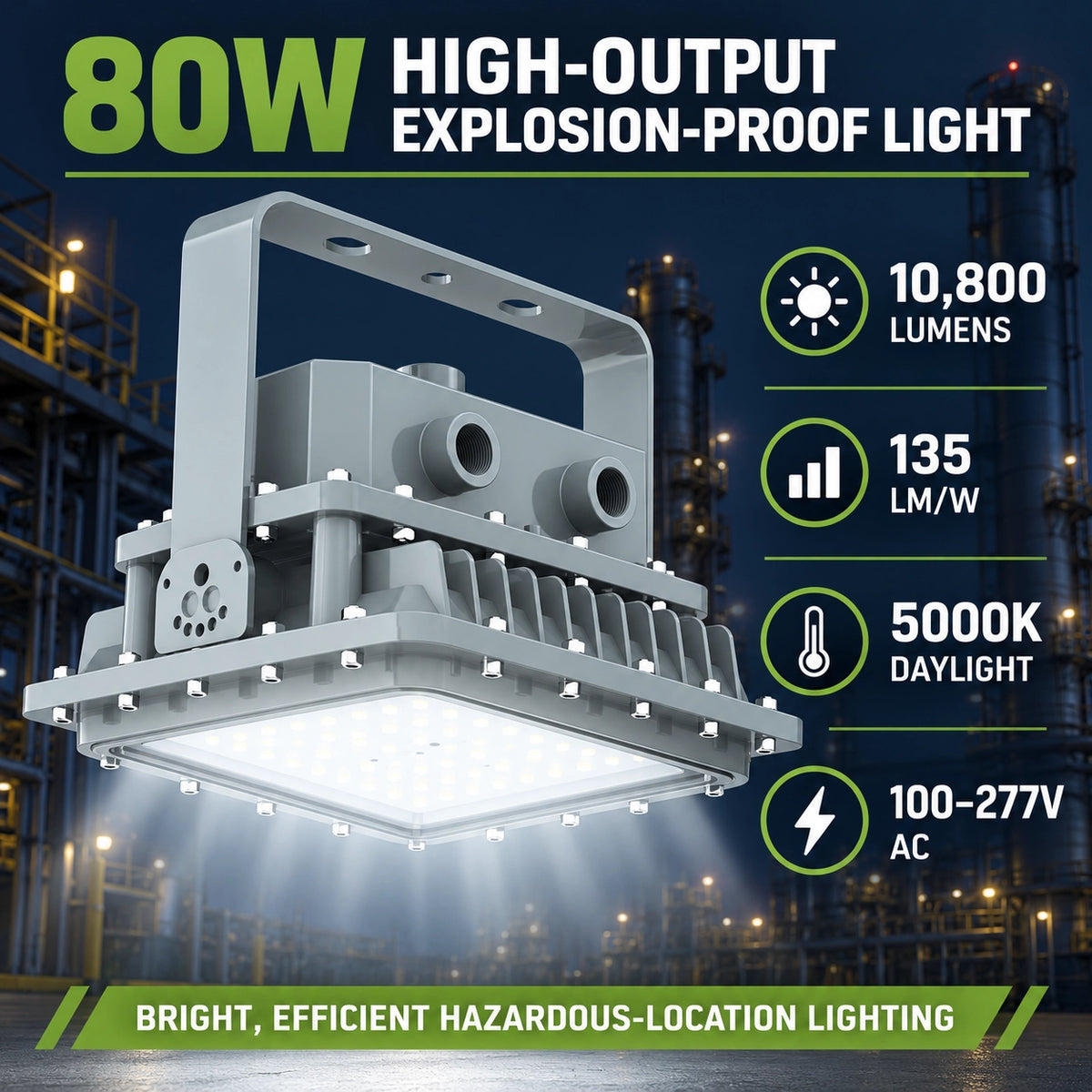
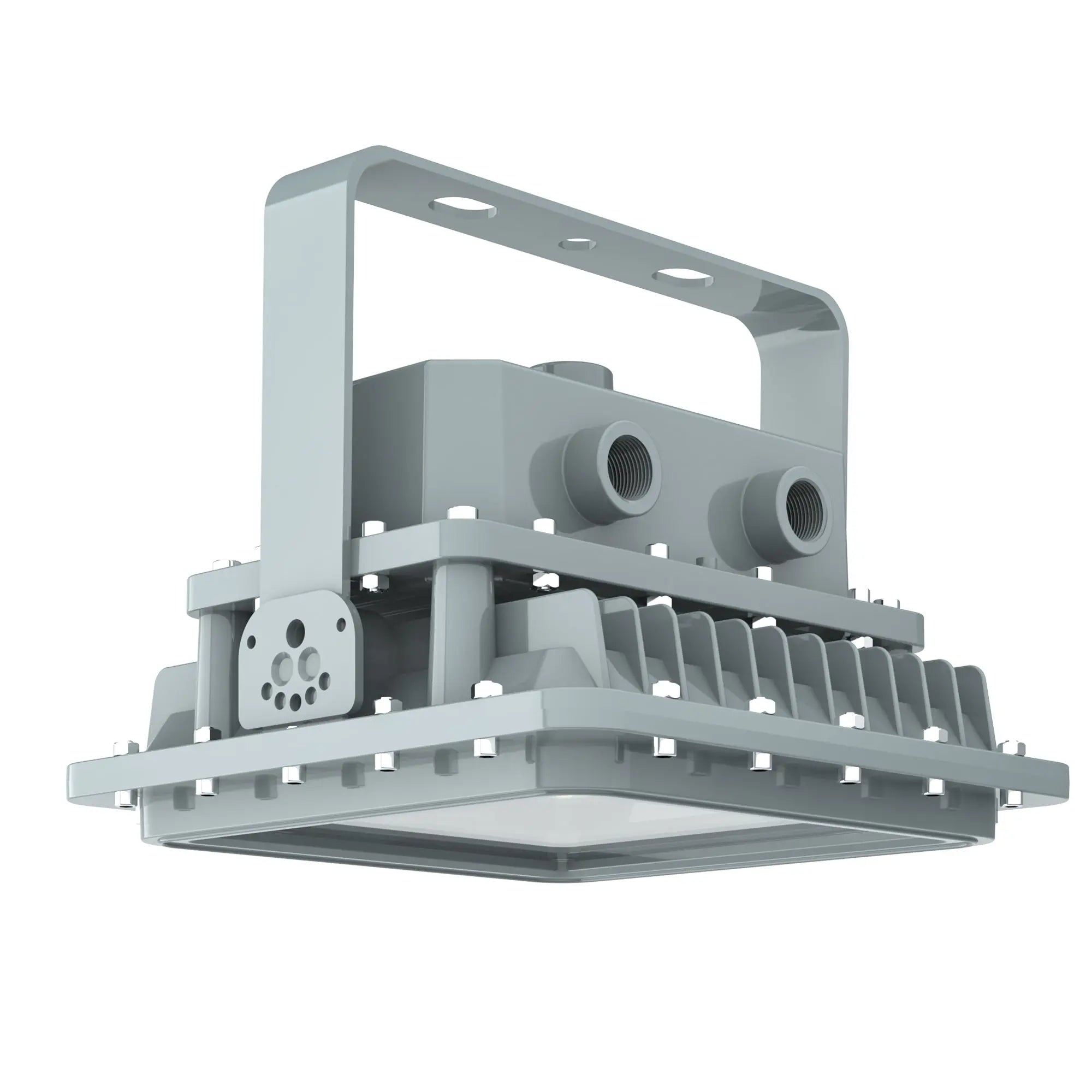
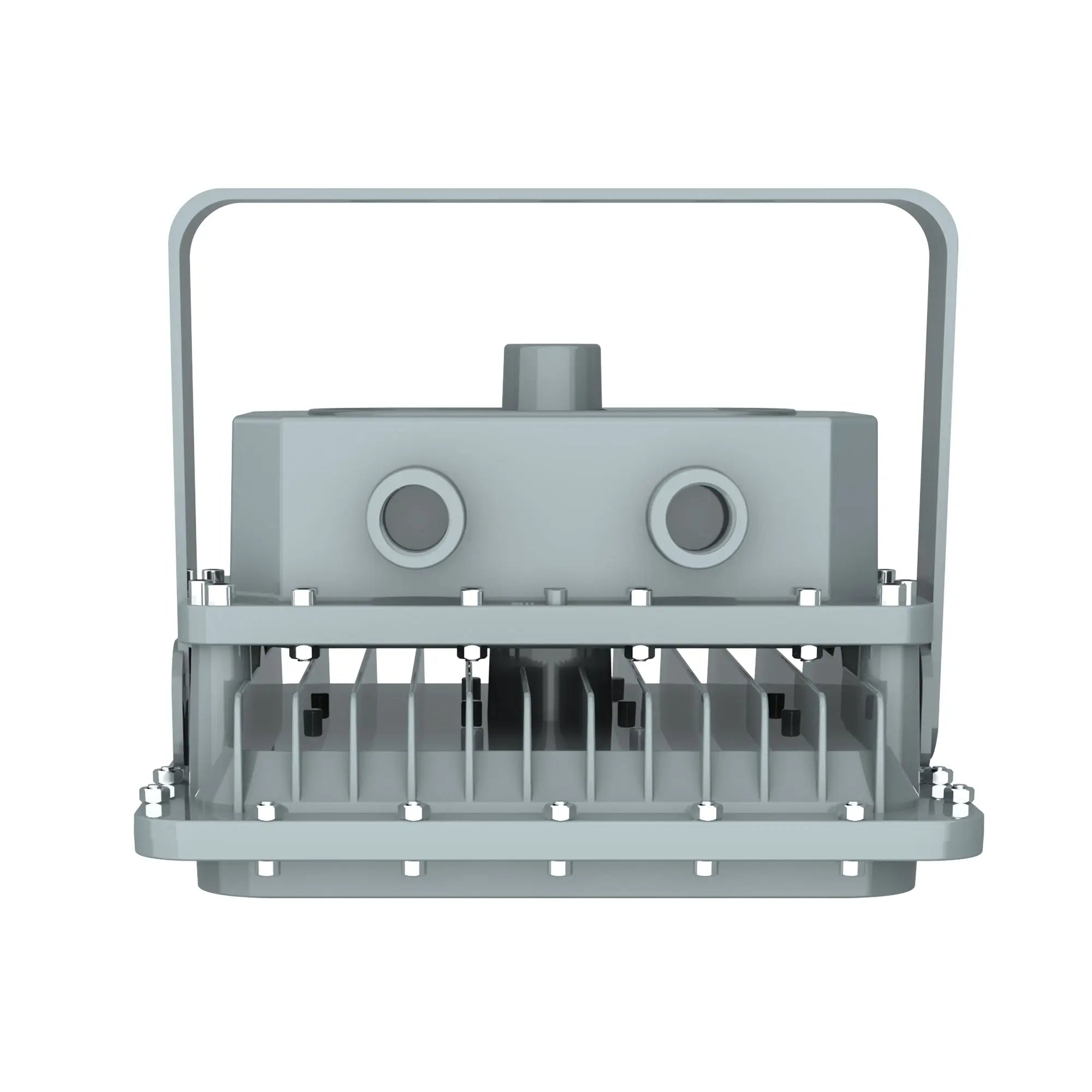
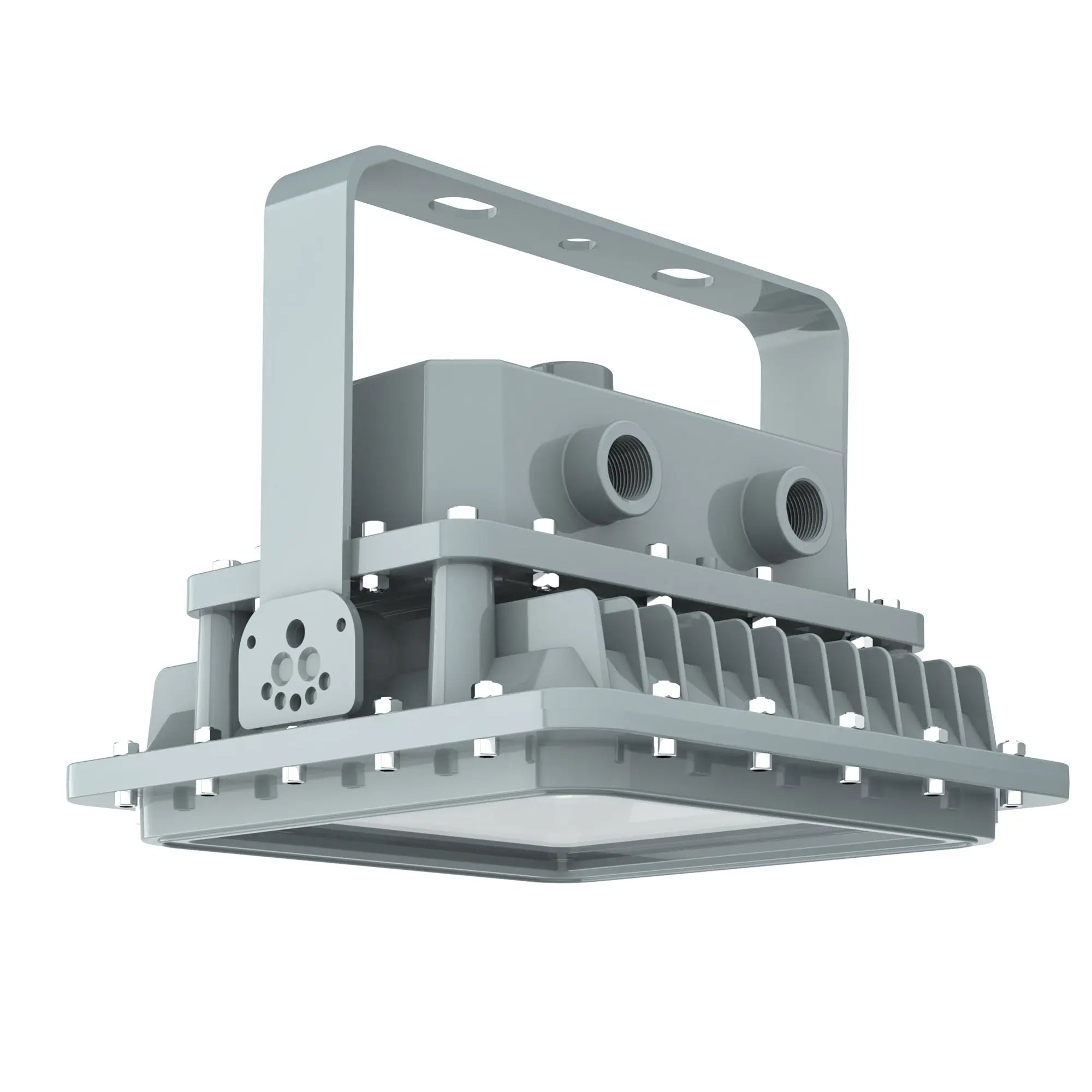
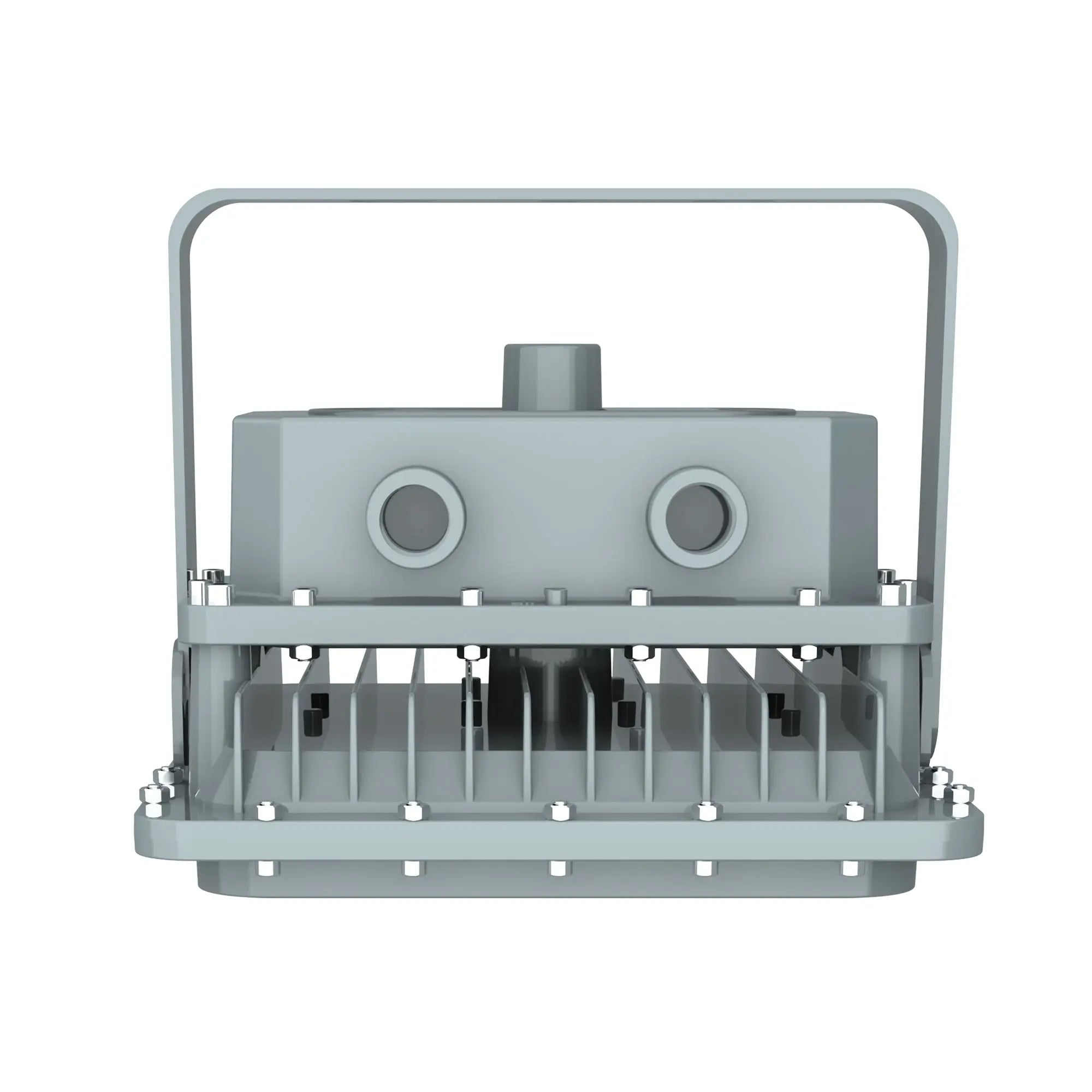
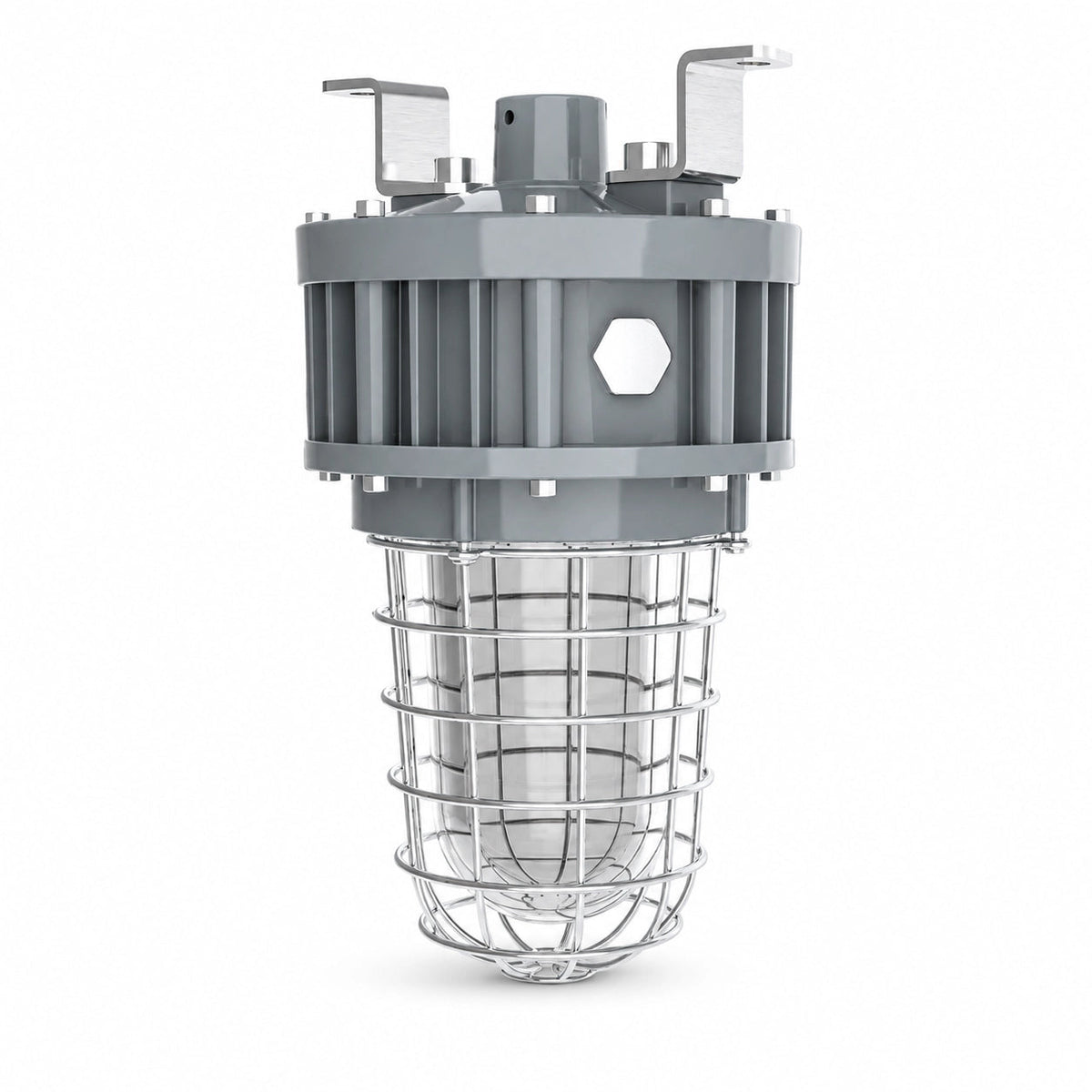
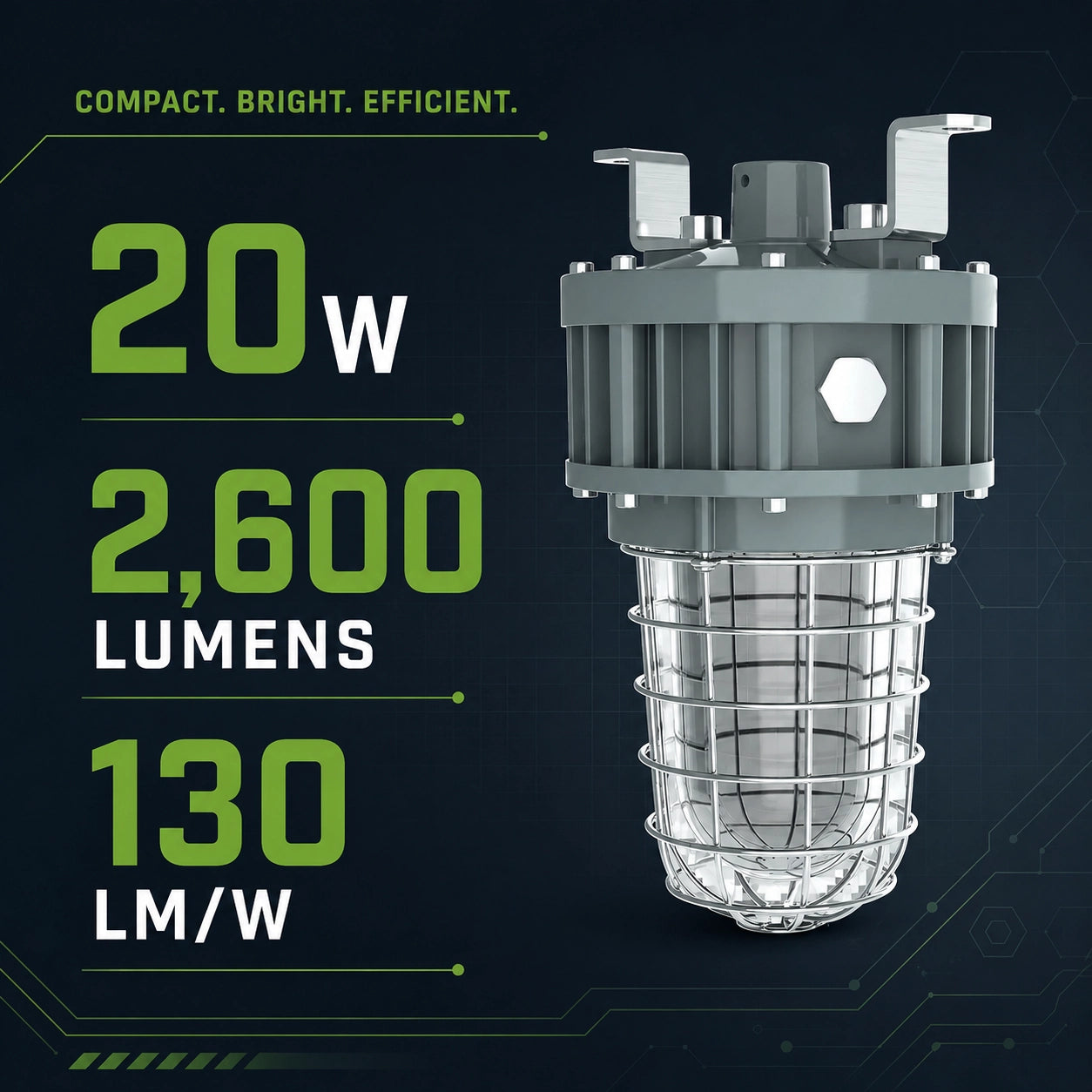
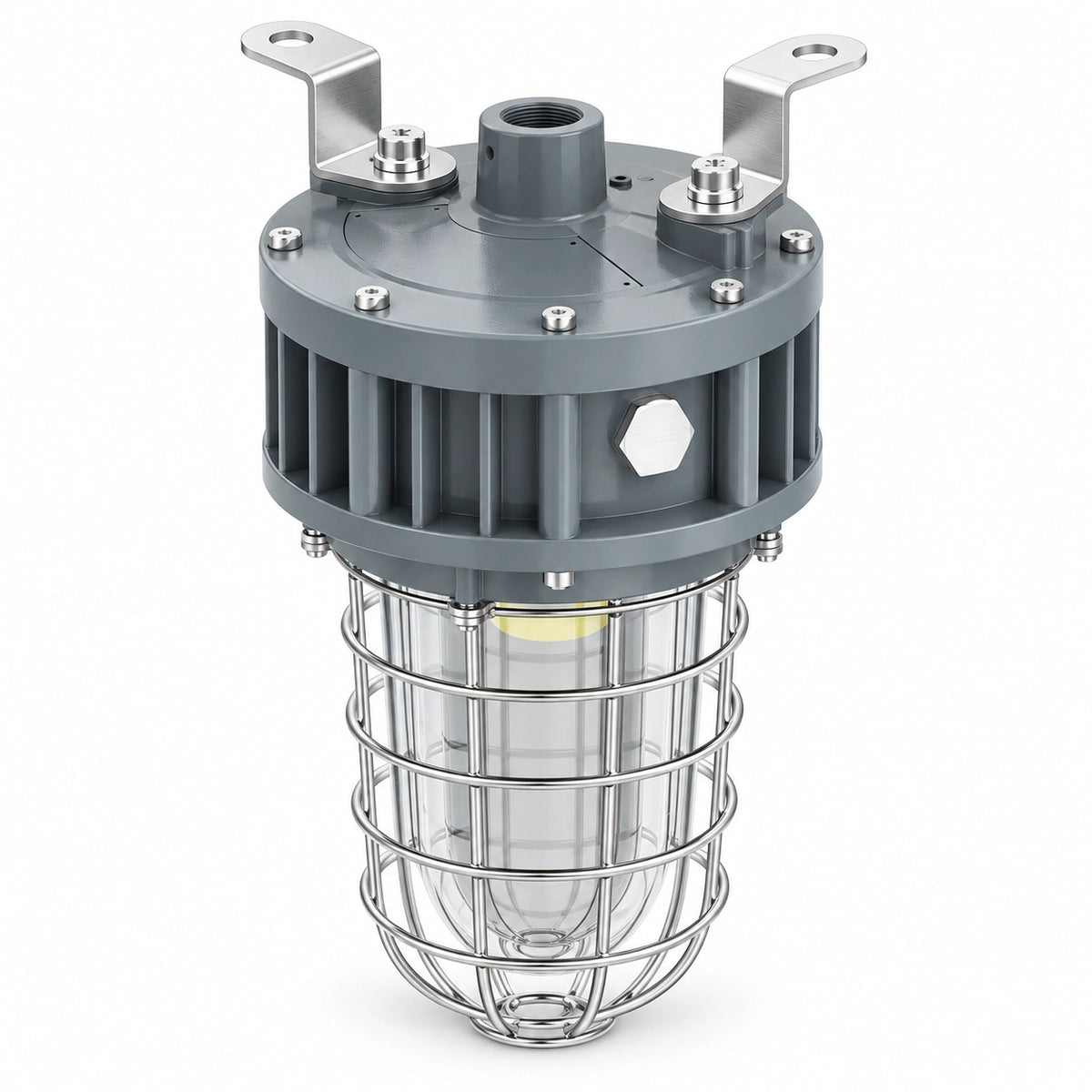
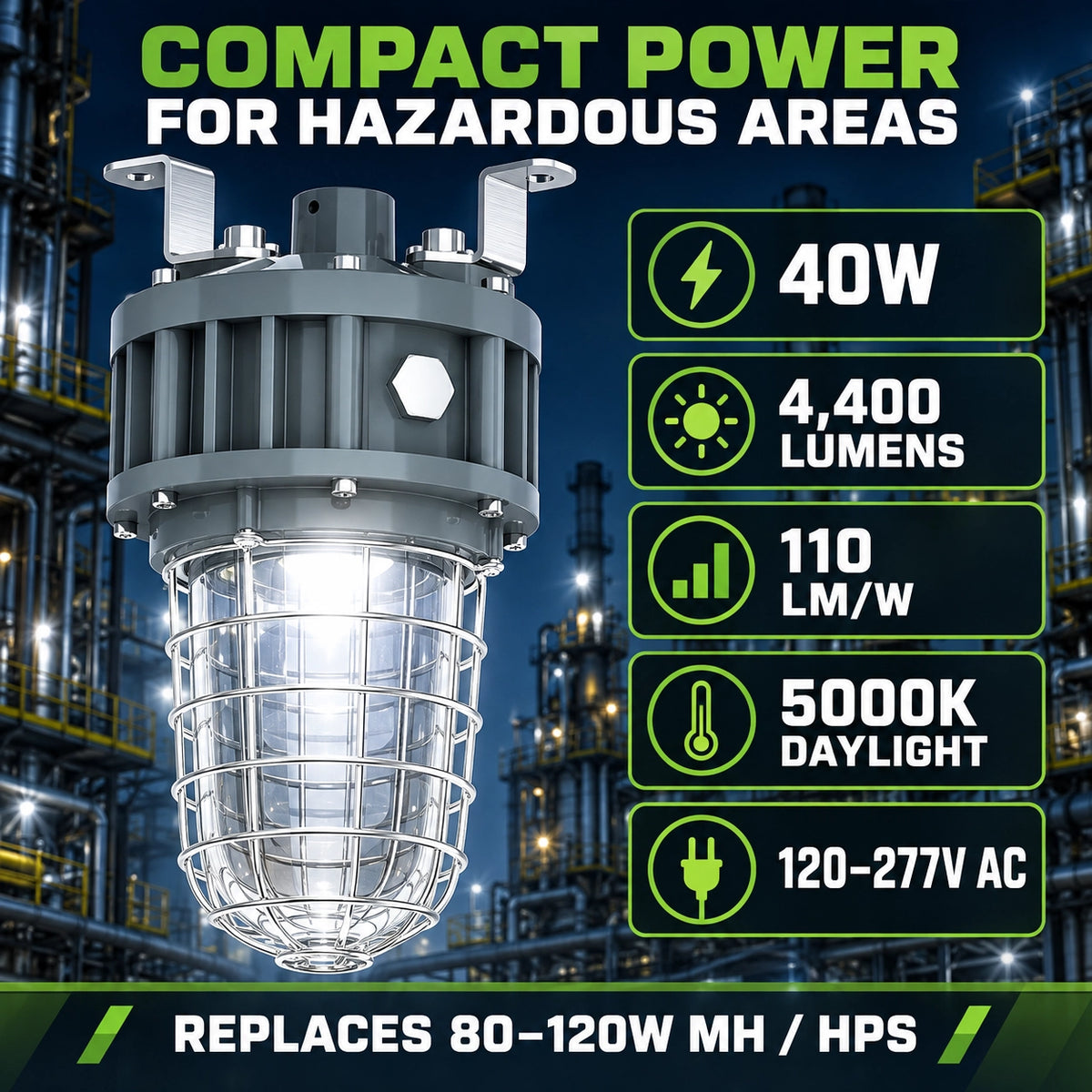
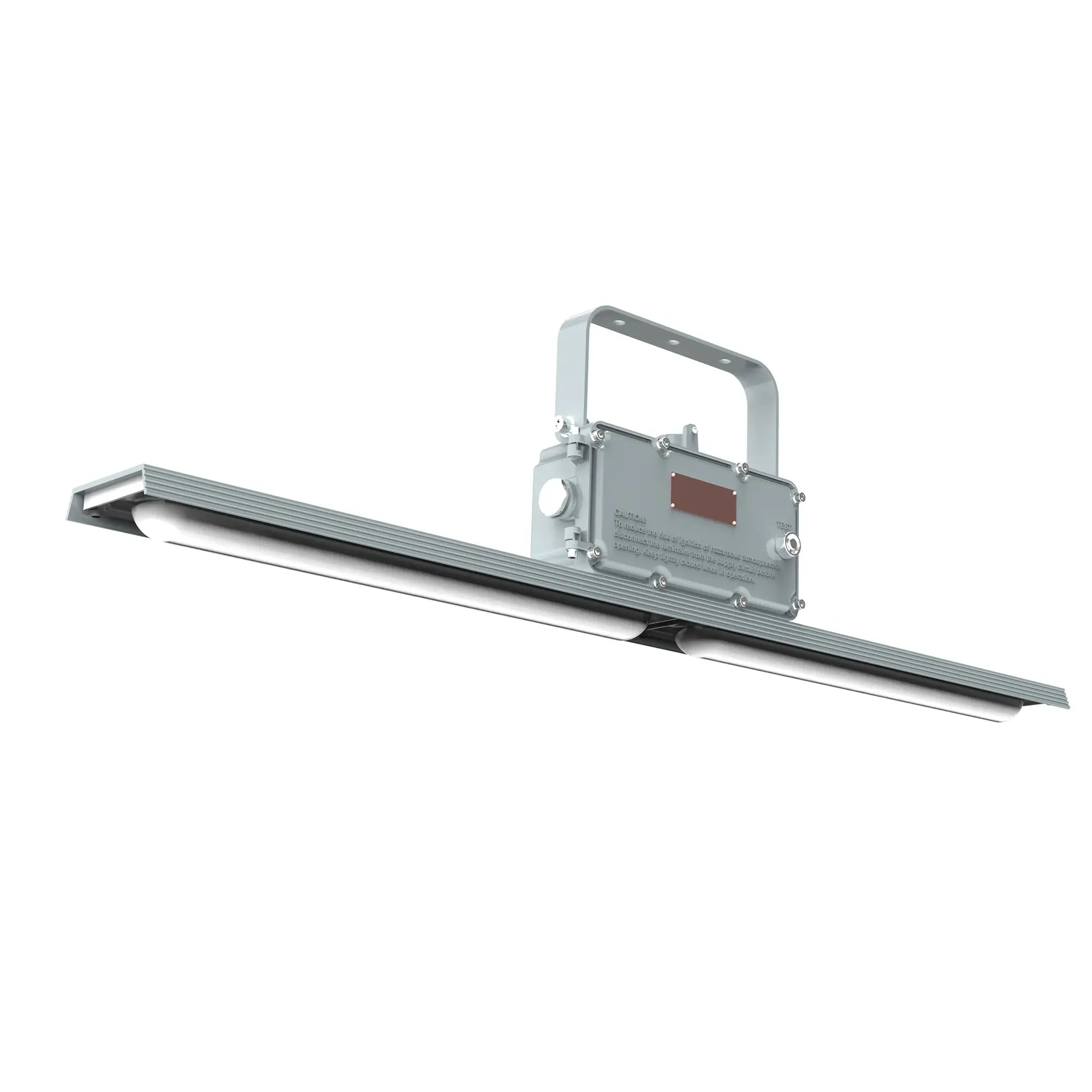
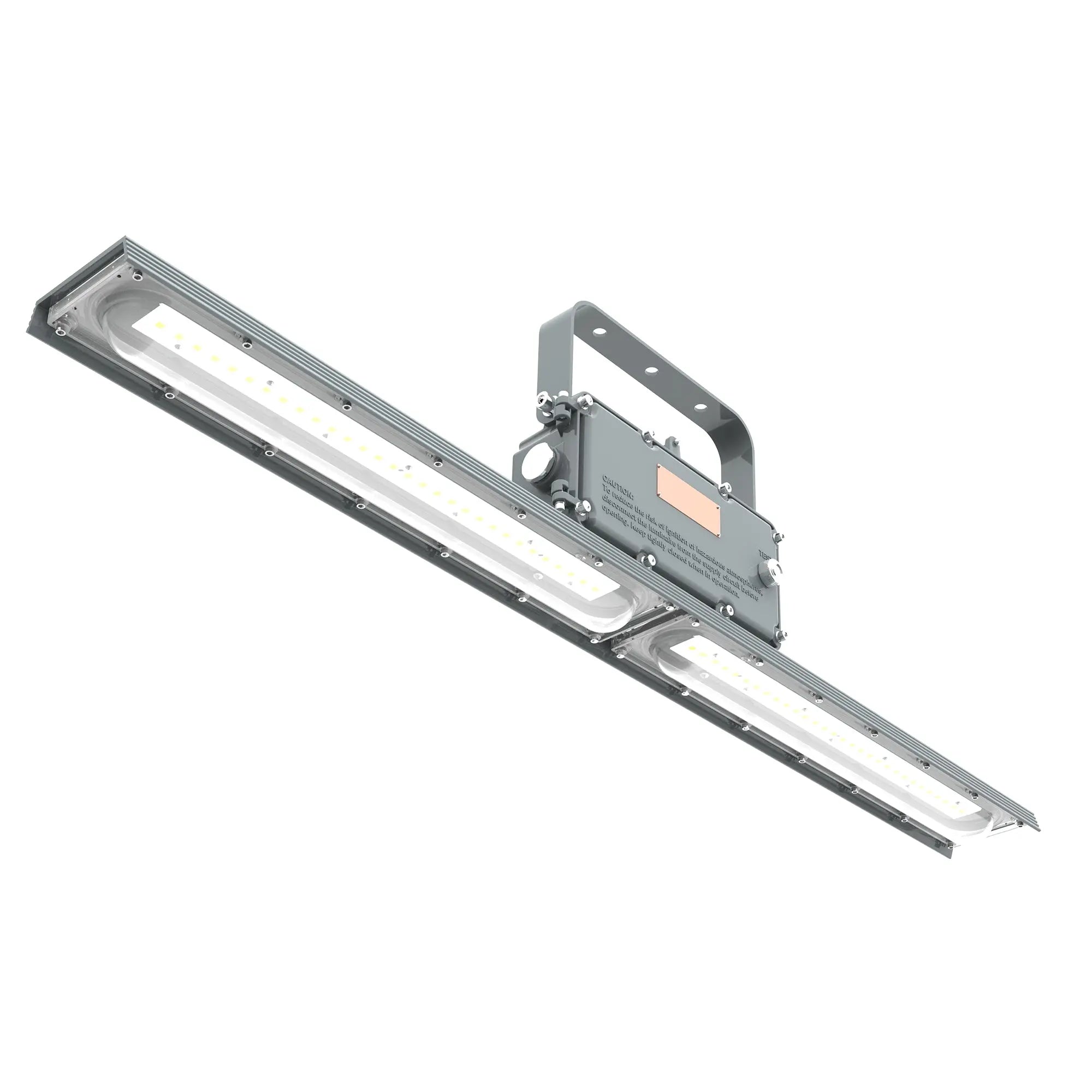
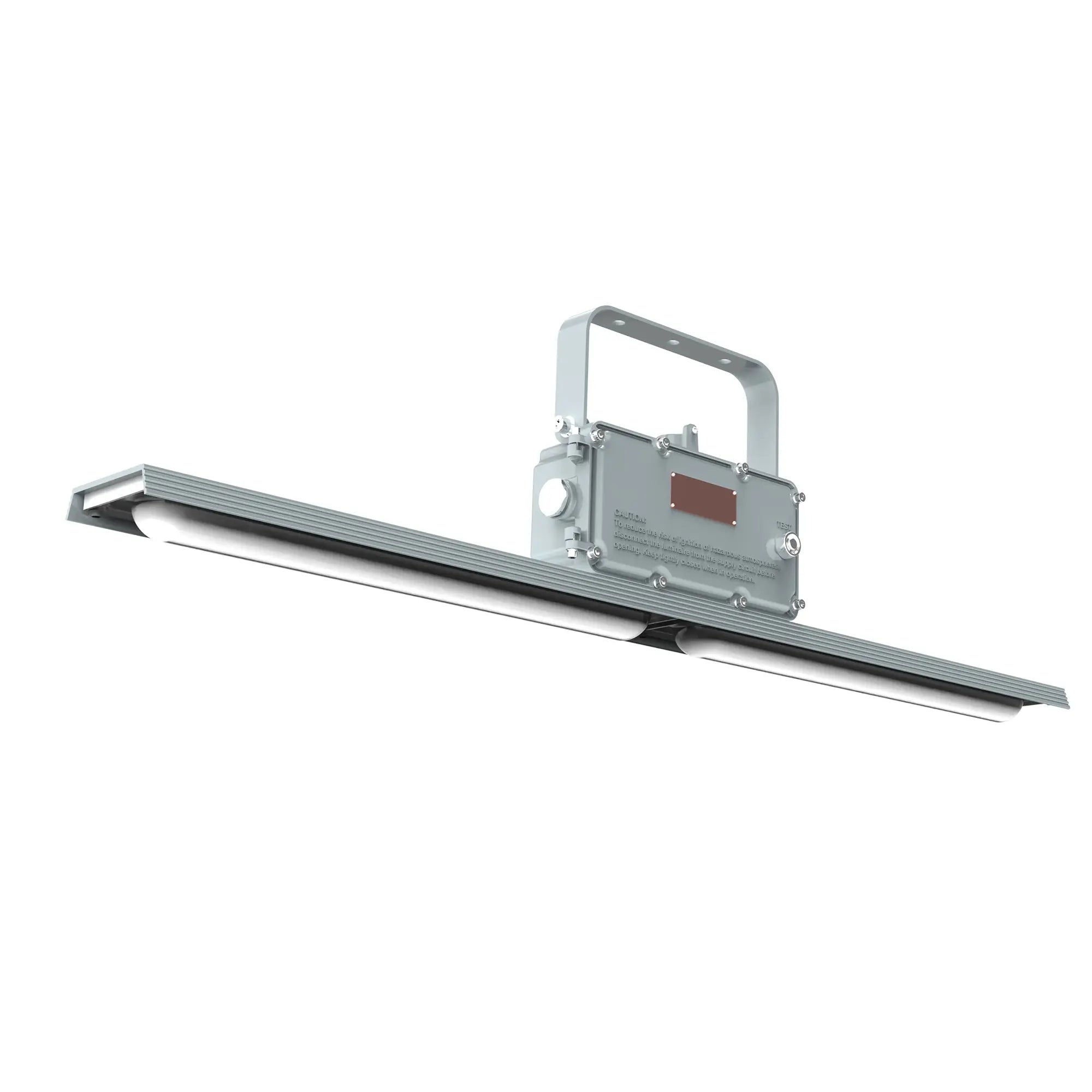
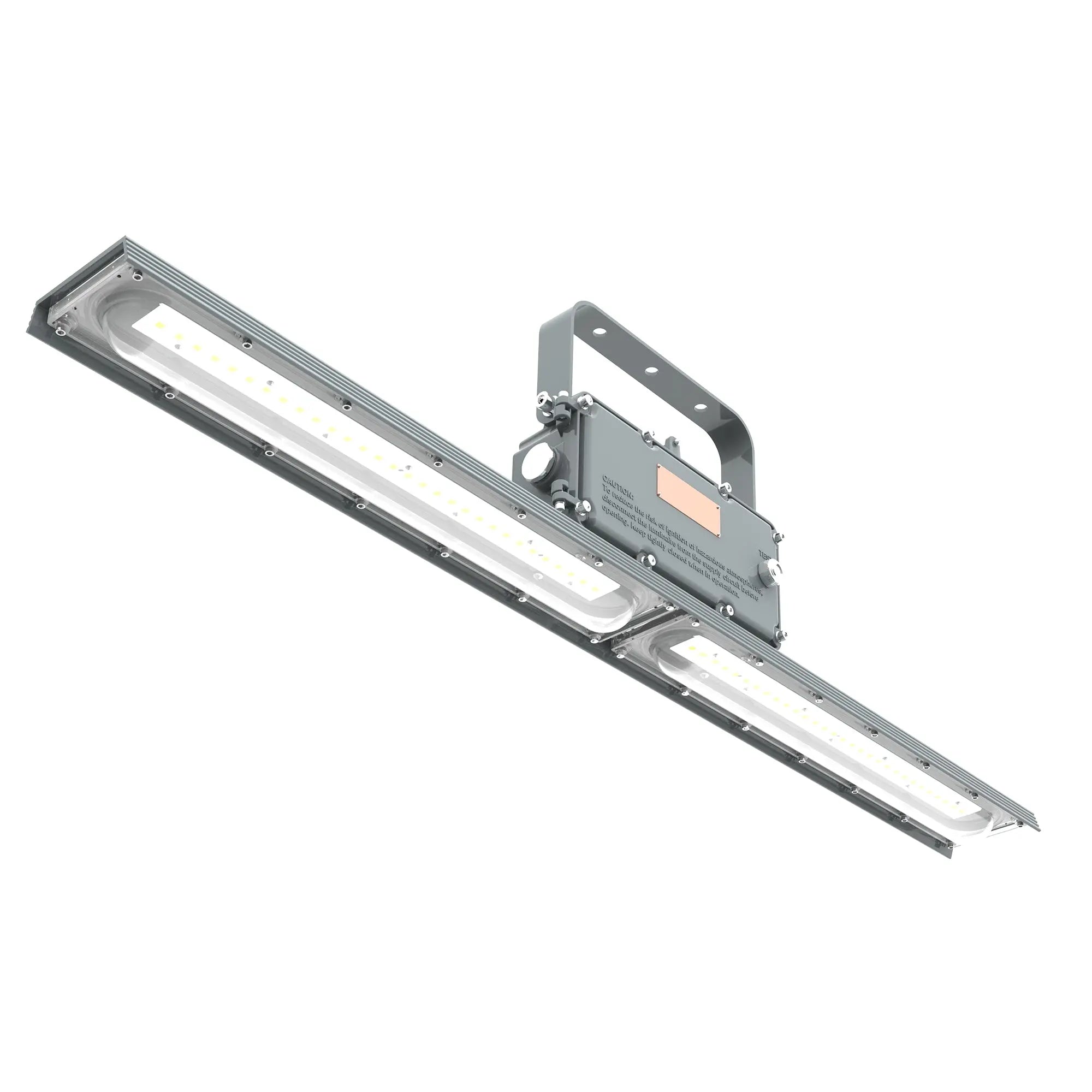
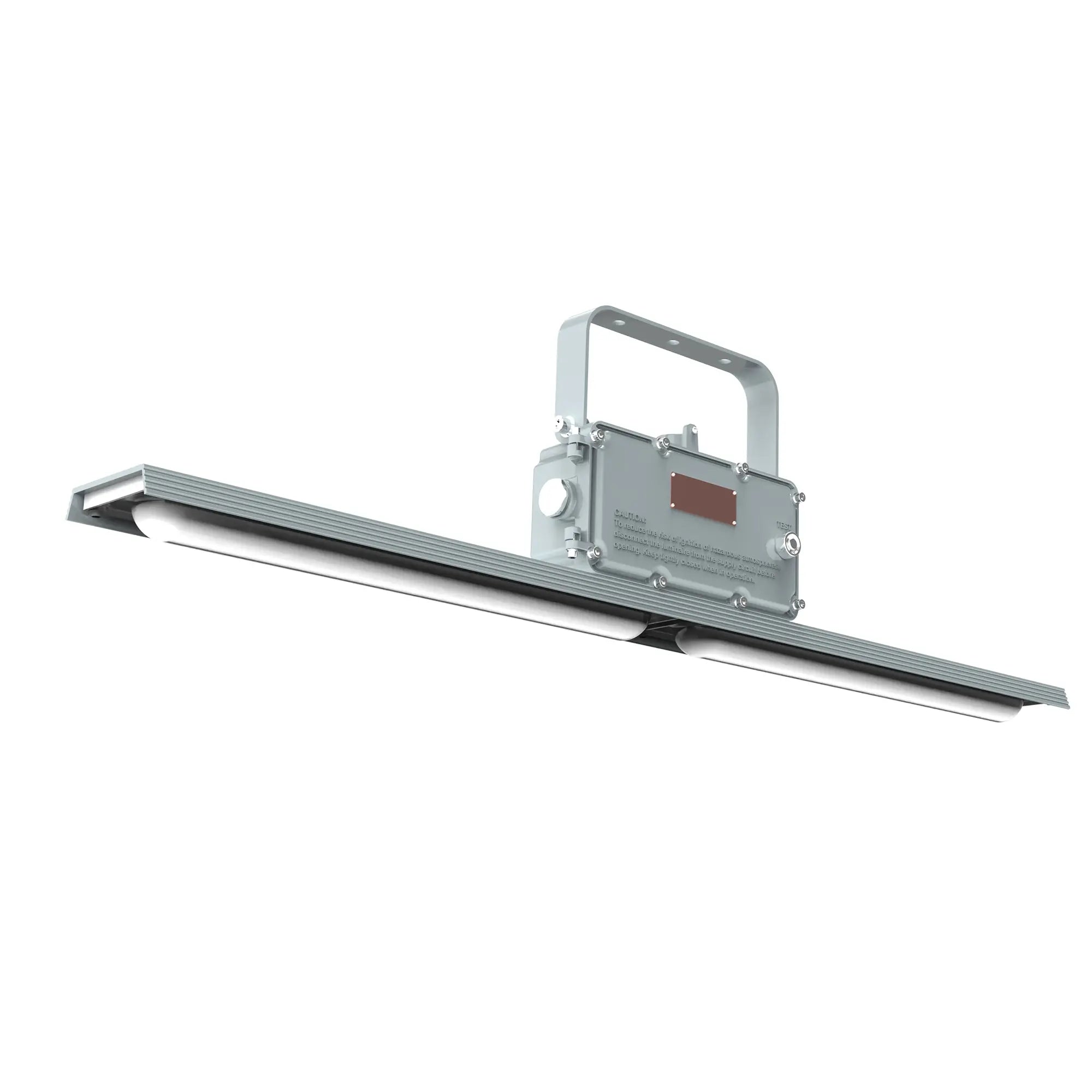
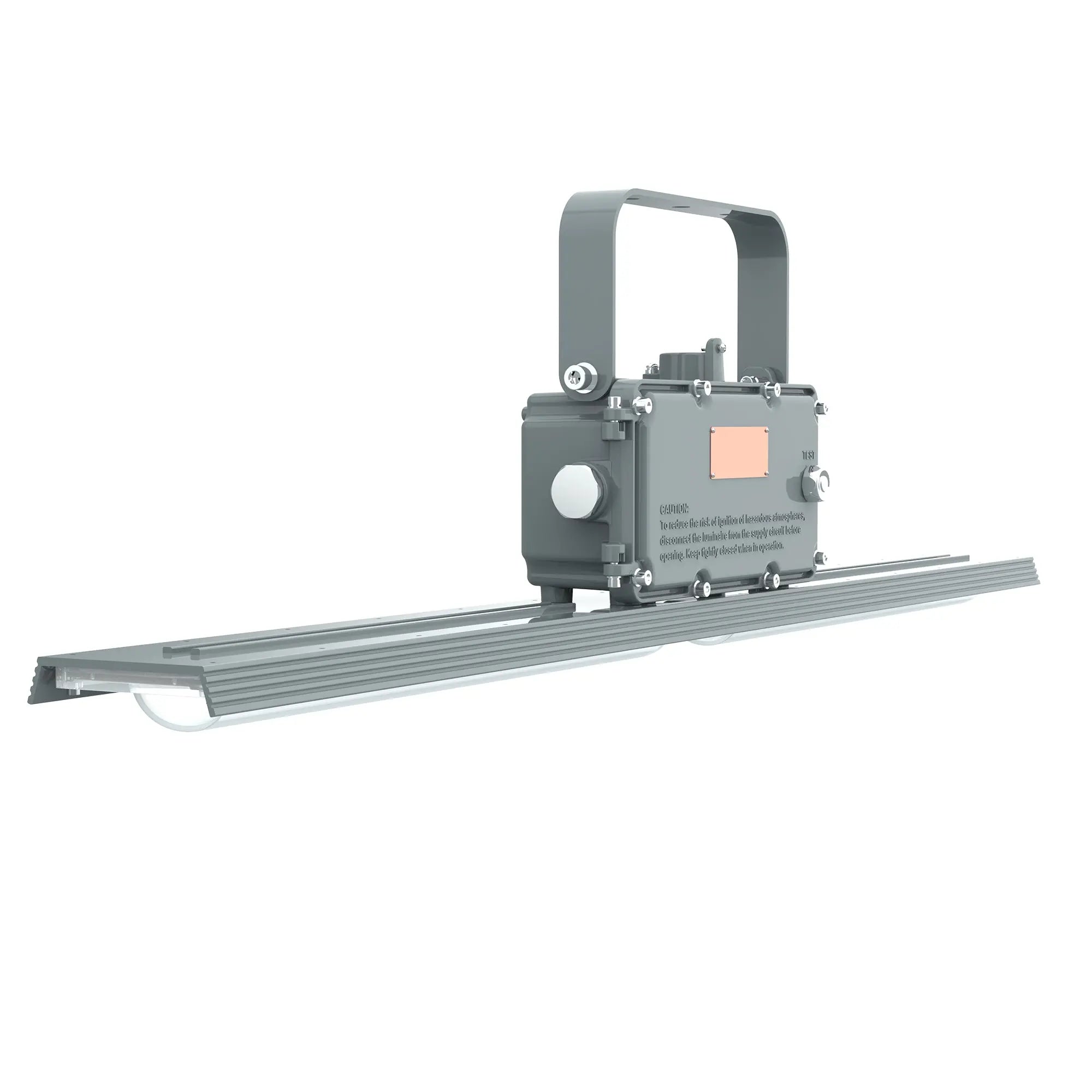
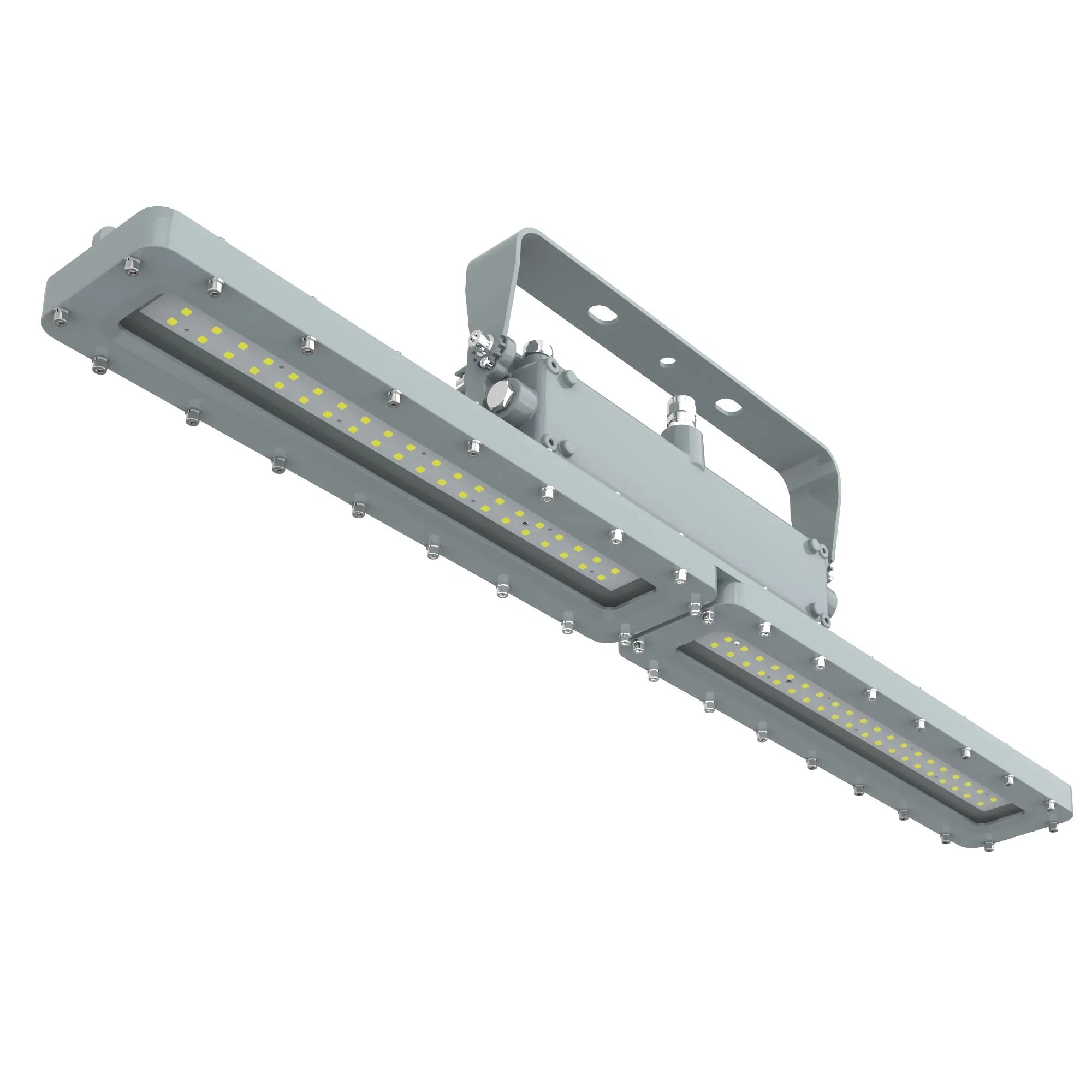
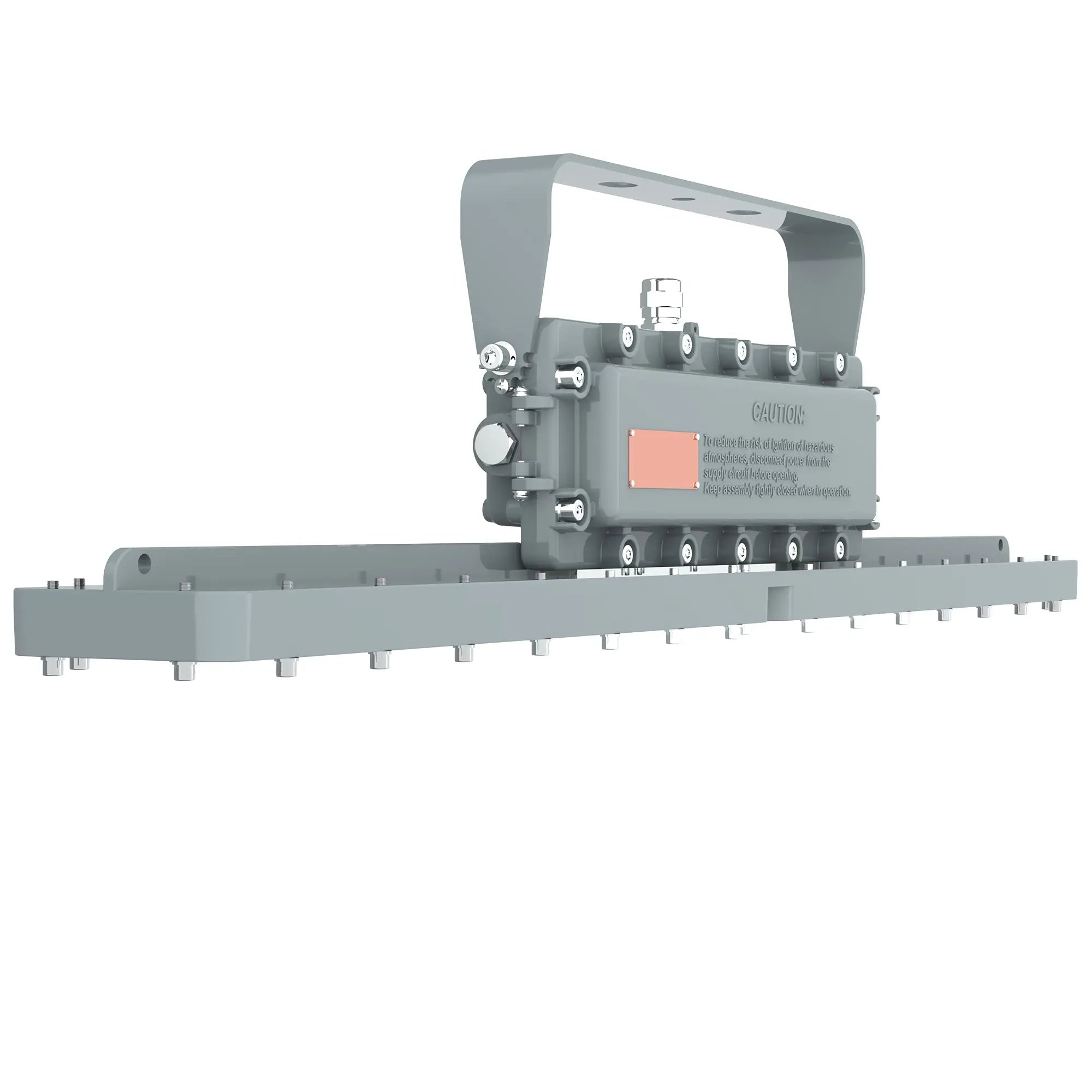
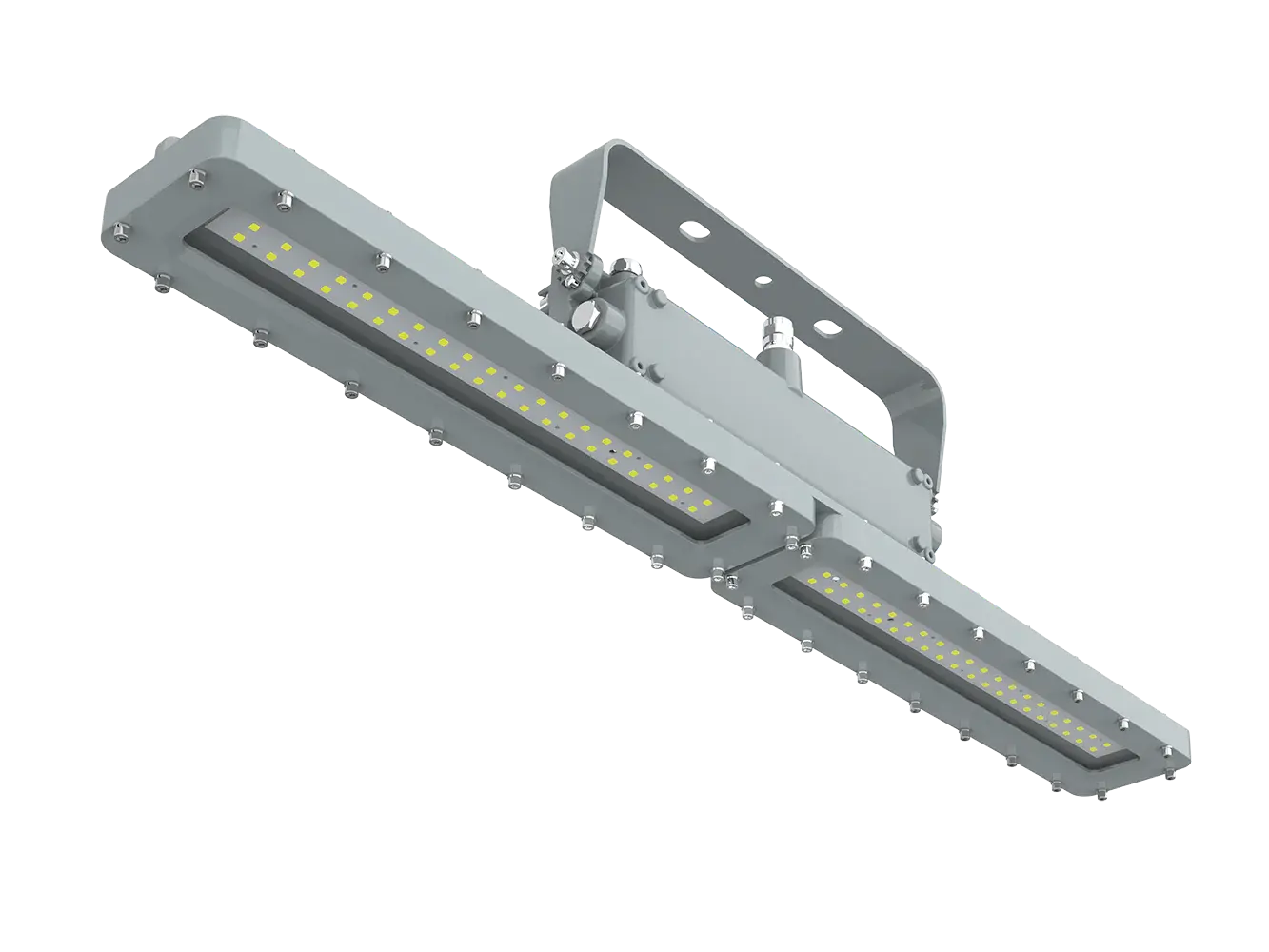
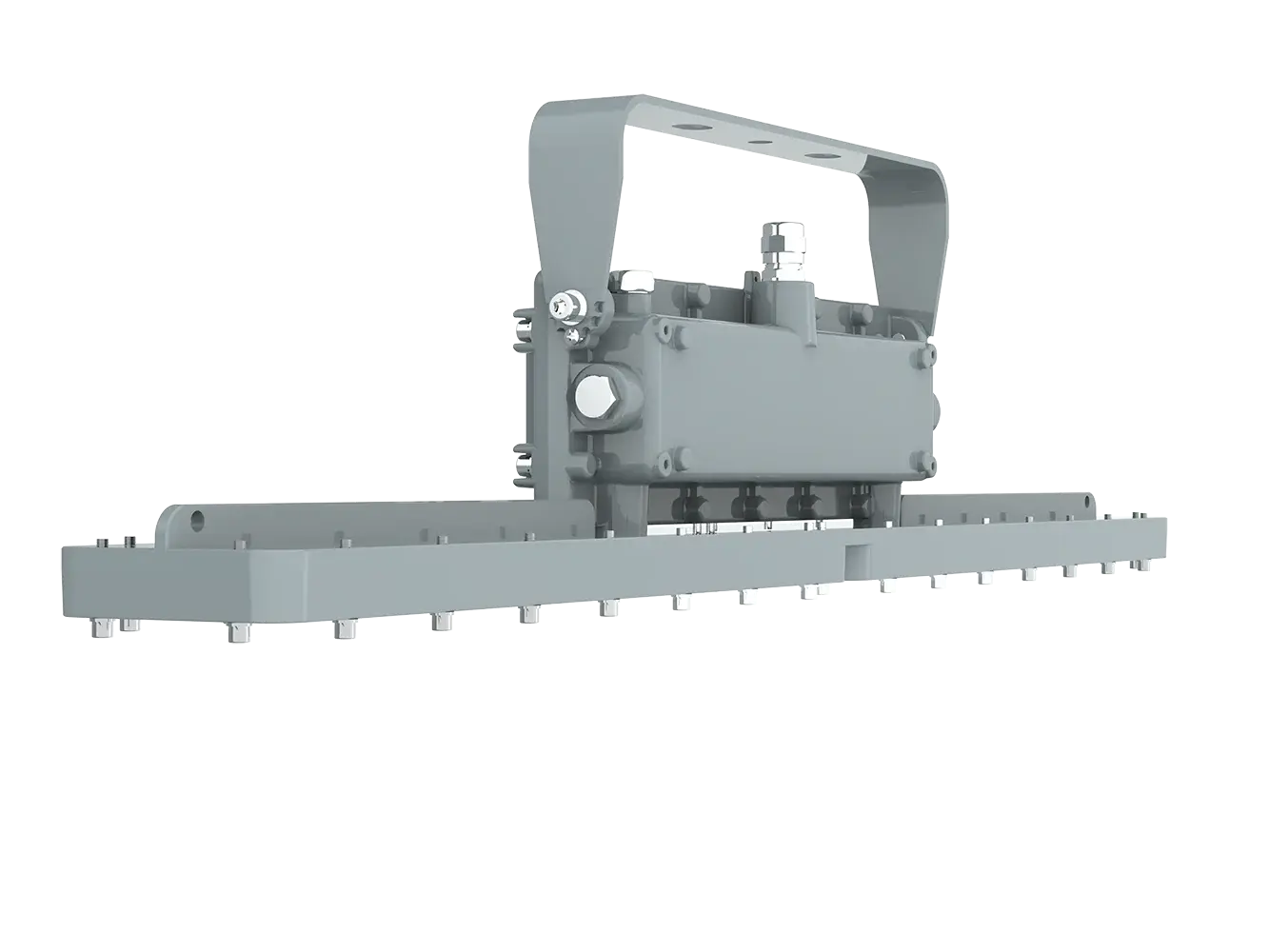
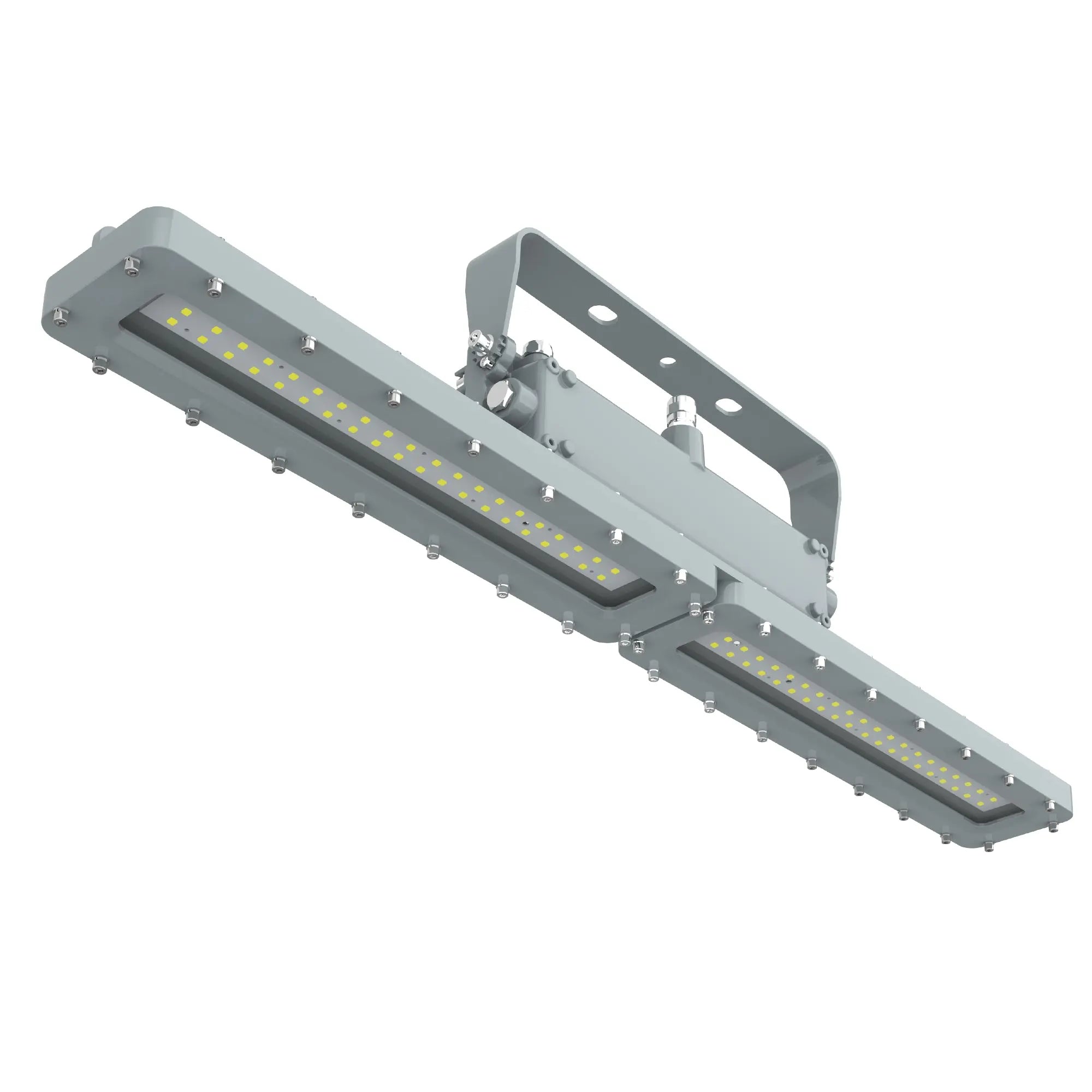
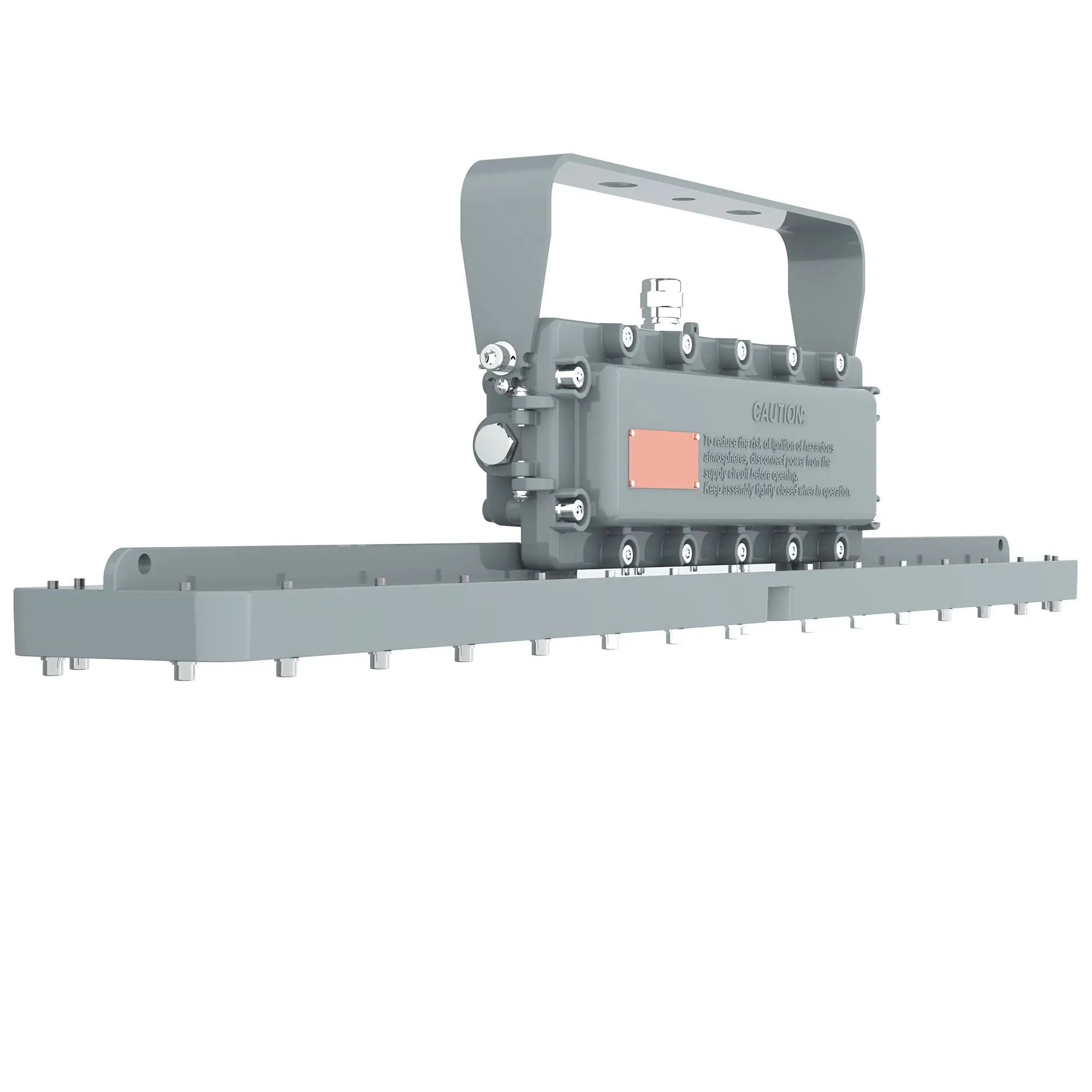
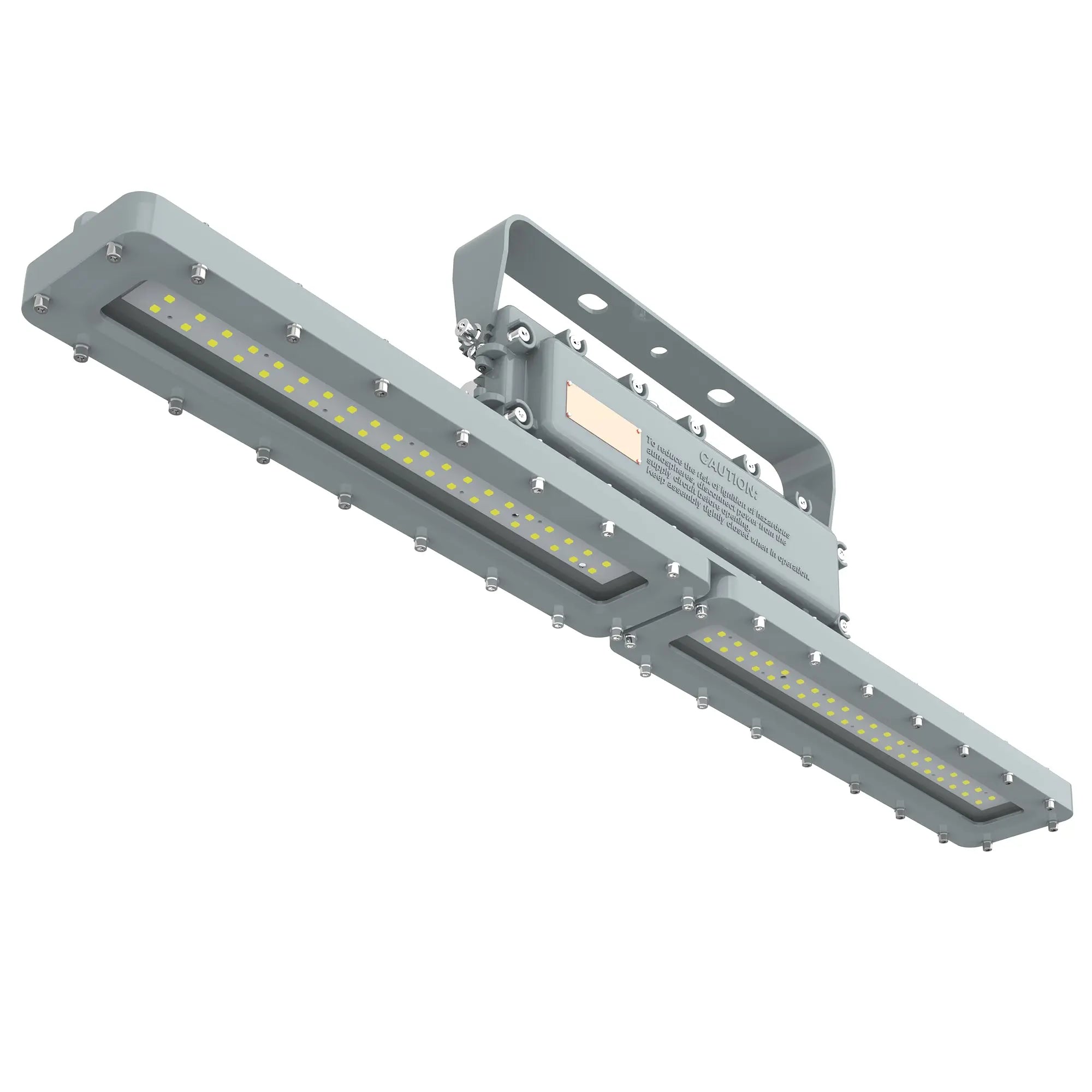
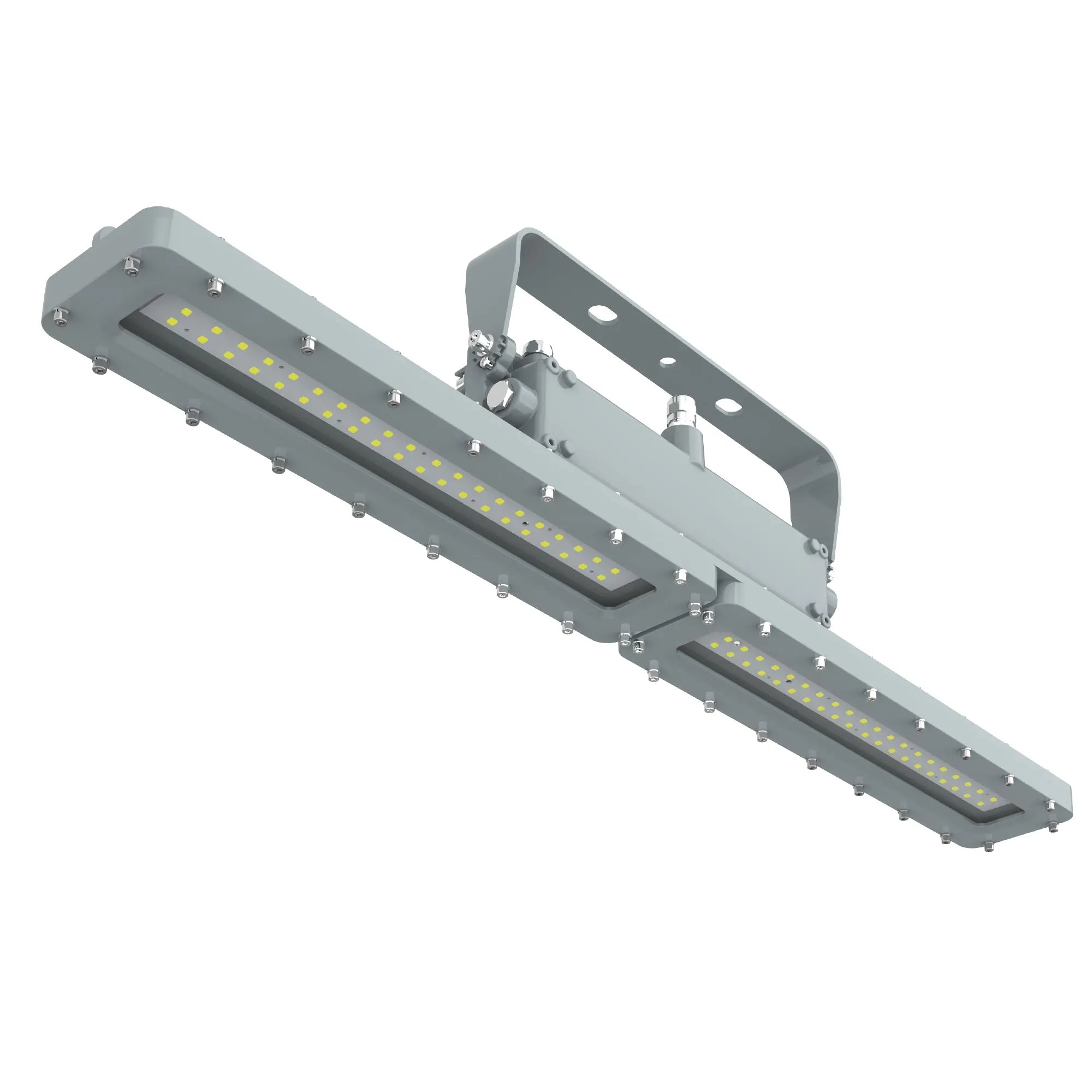
TANLITE LED explosion proof lights provide dependable illumination for hazardous locations where flammable gases, vapors, combustible dust, or ignitable fibers may be present. Designed for demanding industrial environments, our hazardous location lighting collection includes explosion proof flood lights, high bay lights, linear fixtures, area lights, jelly jar lights, hand lamps, emergency lights, and exit signs for indoor and outdoor applications.
These rugged LED fixtures help improve visibility while reducing energy use and maintenance compared with traditional metal halide or high-pressure sodium lighting. Available configurations include Class I Division 1 and Class I Division 2 models, multiple wattages, lumen outputs, mounting methods, voltage ranges, and environmental ratings. Always confirm the exact hazardous-location classification, group, temperature code, ambient-temperature range, certification, and mounting requirements shown on each product page and specification sheet before ordering.
LED Explosion Proof Lighting for Hazardous Locations
Explosion proof lighting is engineered to contain sparks, arcs, or excessive heat that may occur inside the fixture so they do not ignite the surrounding hazardous atmosphere. This does not mean the fixture can survive an external explosion. It means the enclosure, joints, seals, wiring entries, and thermal design are constructed for use in specific classified locations when correctly selected and installed.
Unlike standard industrial lights, hazardous location fixtures must match the materials and operating conditions present at the jobsite. A qualified engineer, electrical contractor, or authority having jurisdiction should verify the required Class, Division, Group, and temperature rating for every project.
Common Hazardous Location Classifications
| Classification | Hazard Type | Typical Applications |
|---|---|---|
| Class I | Flammable gases or vapors | Oil and gas facilities, refineries, fuel storage, chemical plants, paint areas |
| Class II | Combustible dust | Grain handling, flour mills, coal processing, metal dust areas |
| Class III | Ignitable fibers or flyings | Textile facilities, woodworking plants, fiber processing areas |
Division 1 generally applies where the hazardous material can be present during normal operating conditions. Division 2 generally applies where the material is normally contained but may become present because of an abnormal condition, leak, or equipment failure. Project requirements vary, so never substitute a Division 2 fixture where Division 1 is specified.
Explore Our Explosion Proof LED Fixtures
- Explosion proof flood lights: Adjustable, wide-area illumination for processing equipment, loading areas, refineries, drilling sites, and outdoor industrial zones
- Explosion proof high bay lights: High-output overhead lighting for hazardous warehouses, production areas, maintenance buildings, and facilities with higher mounting heights
- Explosion proof linear lights: Uniform illumination for corridors, work areas, paint facilities, utility rooms, and low-clearance industrial spaces
- Explosion proof area lights: Pole- or arm-mounted coverage for outdoor hazardous locations, access roads, loading zones, and perimeter areas
- Explosion proof jelly jar lights: Compact lighting for confined spaces, stairways, walkways, entrances, and equipment areas
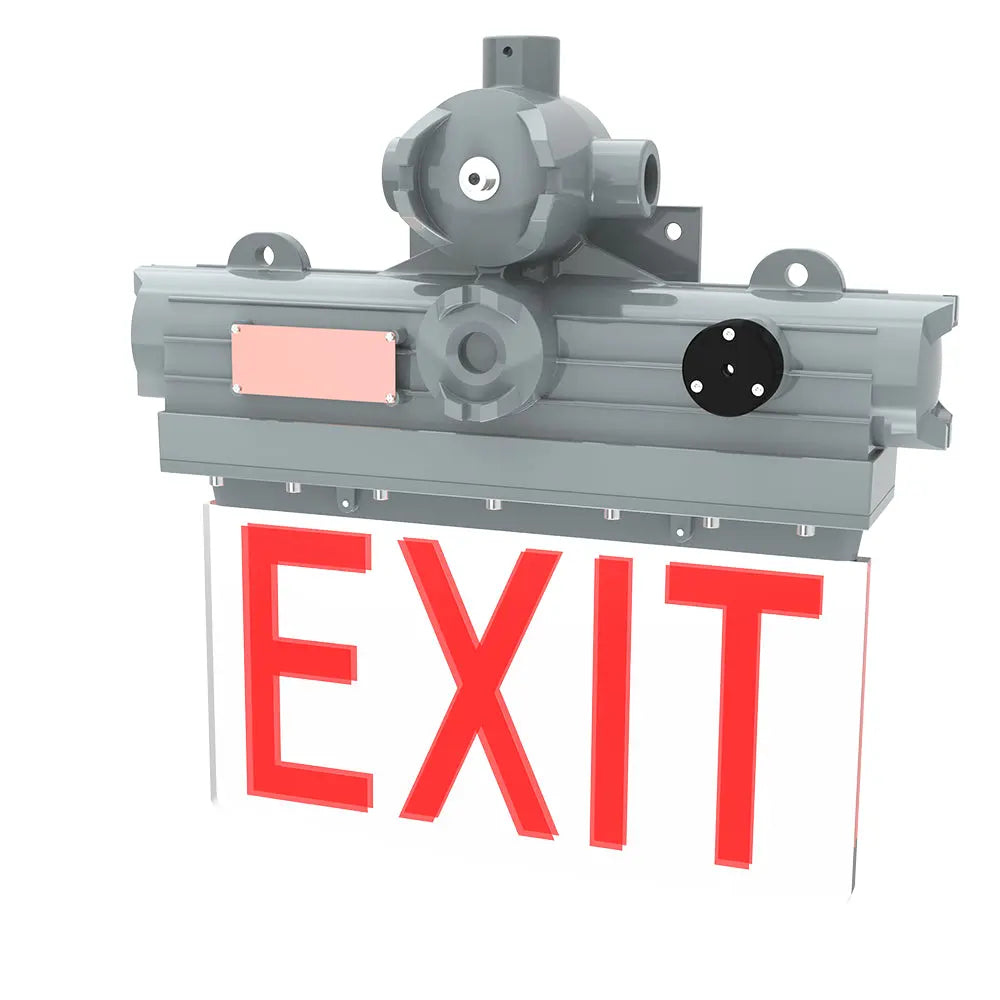
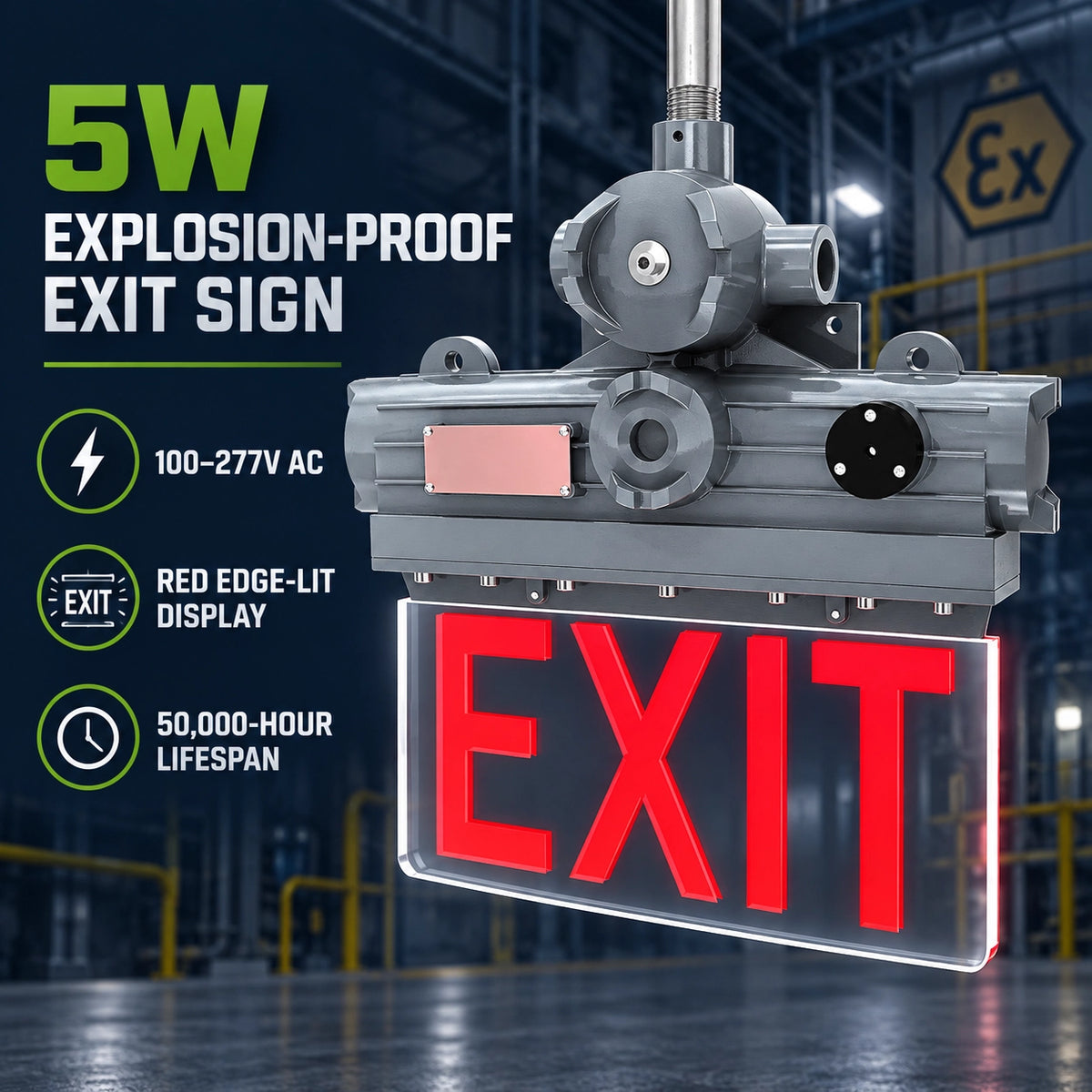
- Explosion proof emergency and exit lighting: Specialized fixtures that support emergency egress and identification needs in qualifying hazardous locations
Where Explosion Proof Lights Are Used
TANLITE hazardous location lights are designed for a wide range of industrial projects, including oil refineries, petrochemical facilities, drilling platforms, chemical processing plants, fuel storage areas, gas stations, paint spray areas, grain elevators, flour mills, wastewater treatment plants, power generation facilities, marine environments, shipyards, mining operations, manufacturing plants, and other classified locations.
How to Select the Right Hazardous Location Light
- Confirm the classification: Identify the required Class, Division, Group, and temperature code from the project documents or authority having jurisdiction
- Match the environment: Check the IP rating, corrosion exposure, ambient-temperature range, impact rating, and indoor or outdoor requirements
- Determine light output: Select wattage, lumens, beam angle, fixture spacing, and mounting height based on the required foot-candle level and coverage area
- Verify electrical requirements: Confirm input voltage, dimming method, surge protection, emergency operation, and wiring-entry size
- Choose the mounting method: Options may include ceiling, pendant, wall, yoke, trunnion, pole, surface, or chain mounting depending on the fixture
- Review product documentation: Verify the listing marks and hazardous-location ratings on the product label, certification documents, and specification sheet
Why Choose TANLITE Explosion Proof Lighting?
- Broad selection of Class I Division 1 and Class I Division 2 LED lighting solutions
- Flood, high bay, linear, area, low bay, jelly jar, emergency, exit, and portable fixture options
- Commercial-grade housings designed for demanding industrial environments
- Multiple wattages, voltage ranges, lumen packages, beam patterns, and mounting choices
- Professional product recommendations and DIALux lighting-layout support for qualified projects
- Fast fulfillment from U.S. warehouse inventory on stocked models
- Five-year limited warranty on eligible TANLITE fixtures; see the individual product page for coverage details
Frequently Asked Questions
What is the difference between explosion proof and vapor tight lighting?
Vapor tight fixtures are sealed against moisture, dust, and debris, but they are not automatically approved for hazardous locations. Explosion proof fixtures are specifically constructed and certified for designated classified environments. Always use the fixture type required by the project classification.
Can a Class I Division 2 light be installed in a Class I Division 1 area?
No. A Division 2 fixture should not be used where Division 1 equipment is required. Choose a fixture whose complete rating meets or exceeds the project specification.
Are all TANLITE explosion proof lights UL Listed?
Certifications and hazardous-location ratings vary by model. Review the individual product page, specification sheet, product label, and available certification documentation before purchase.
How many explosion proof LED lights does my facility need?
The required quantity depends on fixture lumens, beam angle, mounting height, room dimensions, surface reflectance, obstructions, and target illumination. Contact TANLITE with your layout and project requirements for product recommendations or DIALux lighting assistance.
Need Help With a Hazardous Location Lighting Project?
Browse the products in this collection or contact TANLITE for help comparing classification, wattage, lumen output, voltage, mounting, and delivery options. Final fixture selection and installation must be reviewed by qualified professionals and comply with applicable electrical codes and project requirements.