
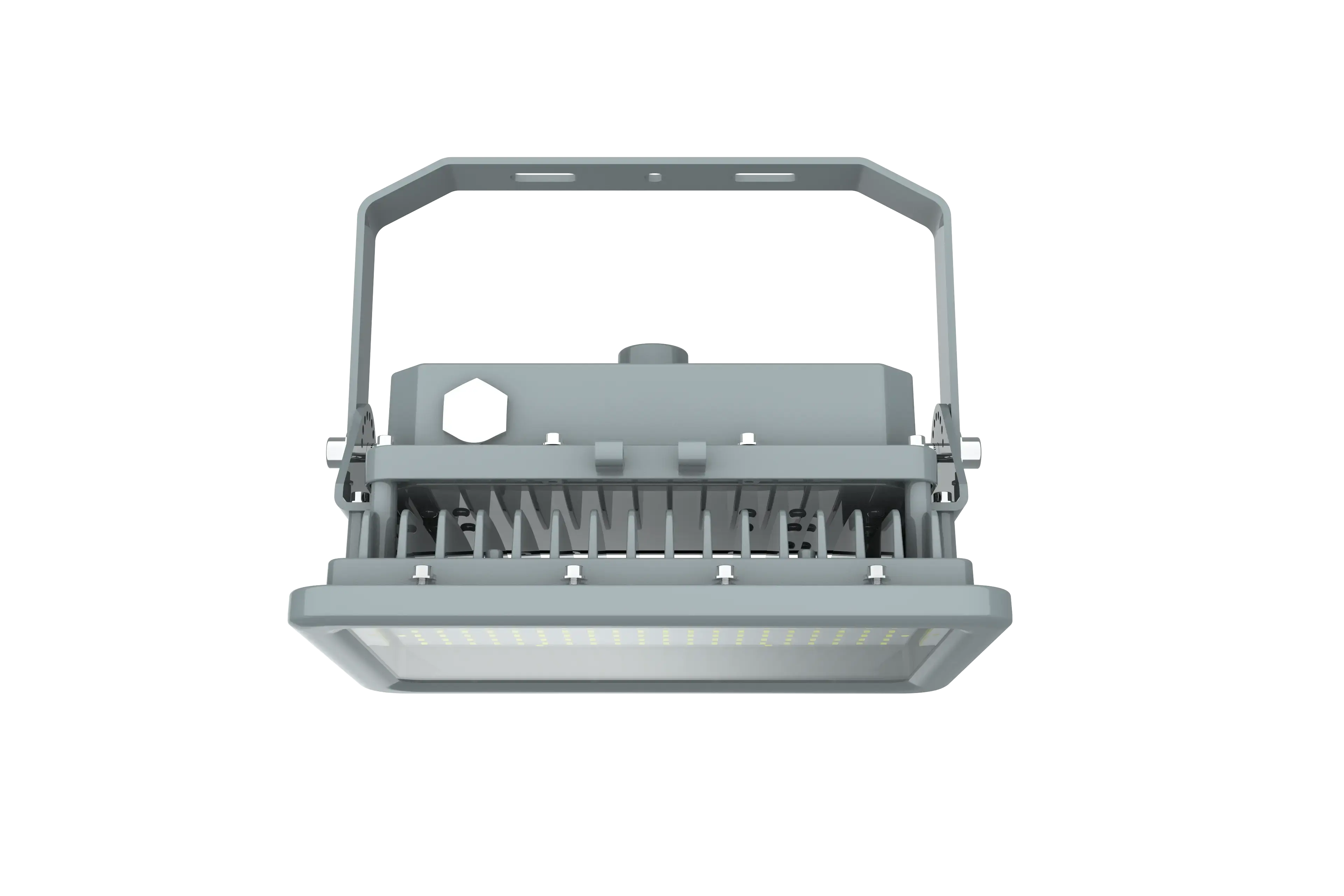
Shopping for hazardous-location fixtures usually starts with a simple question: which light gives the right coverage without creating risk? An explosion proof flood light is built for that exact decision. Instead of treating a hazardous area like a normal parking lot or work zone, these fixtures use sealed construction, certified ratings, and durable materials to help control ignition sources. For facility managers comparing collection pages, the key is not just brightness. It is matching the right explosion proof lighting to the location, mounting plan, and compliance needs before a purchase is made.
What Explosion Proof Lighting Is and Why It Matters
Explosion proof lighting is designed to operate in places where a spark, hot surface, or failed component could ignite flammable gases or dust. The fixture housing is sealed and built to contain internal events so they do not reach the surrounding atmosphere. That makes it very different from standard flood lights, which may be fine for general outdoor use but are not intended for hazardous locations. For buyers, the practical takeaway is simple: the safer fixture is not just about better construction, but about whether it is rated for the environment where it will be installed.
How hazardous locations change fixture requirements
Hazardous areas can contain flammable gasses, combustible dust, or ignitable fibers, and each condition changes what kind of hazardous location light is acceptable. A processing plant, grain transfer point, paint booth, or fuel-handling area may all need different protections even if the spaces look similar. Outdoor and indoor needs often overlap too, especially near loading docks or perimeter work zones where weather exposure and classified atmospheres both matter. That is why product comparison should begin with the area classification, not the fixture style.
Class 1 Division 1 vs Class 1 Division 2
Class 1 Division 1 areas have explosive atmosphere conditions that may be present during normal operations, so they demand the strongest protection and tightest sealing. Class 1 Division 2 areas are less severe because flammable vapors are usually present only under abnormal conditions, which can open up more fixture options. Choosing the wrong rating can create compliance problems and safety risks, even if the light appears similar on paper. For shoppers, this distinction quickly narrows the field and helps filter out explosion proof flood lights that do not fit the site.
| Rating | Typical Risk Level | Buyer Impact |
|---|---|---|
| Class 1 Division 1 | Higher | Needs stronger sealing and stricter certification |
| Class 1 Division 2 | Moderate | More fixture choices, but still must be listed for the area |
When hazardous location ratings affect selection
Classification affects more than safety marks; it can also influence mounting options, enclosure style, and the number of fixtures available. A wall mount unit suitable for one zone may not be permitted in another, even if the wattage looks right. Buyers should verify the rated area before purchase and compare the spec sheet against the certification label. That is the fastest way to avoid ordering the wrong model for a classified room, dock, or outdoor pad.
Explosion Proof LED Flood Lights: Core Benefits
Explosion proof LED flood lights bring together three buying advantages: safety, efficiency, and durability. LED lighting is preferred in hazardous areas because it runs cooler than older technologies, uses less energy, and usually lasts much longer between replacements. That matters when access is limited or maintenance requires shutting down a site. For comparison shoppers, the value is not just the light output. It is the reduced labor, fewer relamps, and better long-term operating cost of a properly rated explosion proof lighting fixture.
Why LED lighting is replacing older fixture types
Compared with HID or fluorescent options, LED flood lights offer faster start-up, better reliability, and less wasted heat. Lower heat output is especially useful where combustible dust or flammable gasses are part of the risk profile. In practical terms, the fixture is easier to manage, cheaper to run, and less likely to require frequent service. Over time, that makes an explosion proof led flood light a stronger value than older fixture types, especially in facilities that want to cut downtime and energy spend together.
Key Specs to Compare Before You Buy
The smartest way to compare fixtures is to start with the numbers that affect performance and compatibility. Wattage tells you power draw, while lumens show actual light output. Voltage range matters if the site uses 100-277V systems, and color temperature affects how clearly people see tasks and hazards. Beam spread is just as important because flood lights can be wide and even or more targeted for perimeter control. Then look at housing material, lens durability, IP65 rated waterproof construction, surge protection, and whether the fixture is UL DLC ETL certified. Those details separate a basic product listing from a dependable site-ready choice.
| Spec | Why It Matters |
|---|---|
| Wattage | Shows energy use |
| Lumens | Indicates brightness |
| Voltage range | Confirms electrical compatibility |
| Beam spread | Determines coverage pattern |
| Housing and lens | Affects durability in harsh locations |
How to read product spec sheets accurately
Brightness is usually best judged by lumens, not by wattage alone, while efficiency becomes clearer when lumens are compared against power draw. Voltage range should match the facility’s existing system so installation stays simple. If the product page hides the certification details, that is a warning sign. Price matters, but only after the fixture is confirmed to fit the site. A cheap light that misses the rating is an expensive mistake.
Best Mounting Options for Flood Lights
Mounting affects both coverage and installation effort, so it should be part of the buying decision from the start. A wall mount fixture can be ideal for perimeter wash lighting, while ceiling or pendant styles may suit covered work zones. Pole and arm mounting are often better for broader outdoor coverage, especially where the beam needs to reach across yards or drive lanes. The right approach depends on site layout, ceiling height, and whether the fixture needs to aim across an open area or downward onto a specific task zone.
Where each mounting style works best
Wall mounts are common near loading areas and walkways, while pendant styles often work well under canopies or in covered service spaces. Pole-mounted flood lights are strong choices for yards and open lots, and arm mounts can help position light more precisely around corners or building edges. Some retrofits need accessories for stable installation, especially when replacing older housings. Flexibility matters because it can simplify upgrades without redesigning the whole lighting plan.
Common Applications for Hazardous Location Light Fixtures
Explosion proof lighting shows up in oil and gas sites, chemical processing plants, food facilities, warehouses, and manufacturing areas where classified conditions can exist. It is also used in outdoor spaces such as tank farms, transfer points, and service yards where environmental exposure and hazard control overlap. For broad-area illumination, outdoor flood lights are especially useful because they cover driveways, staging zones, and fence lines with fewer fixtures. Buyers usually want a solution that reduces blind spots without over-lighting areas that do not need it.
When to choose flood lights over other hazardous area fixtures
Flood lights are the better fit when the goal is directional coverage across an open space. High bay lights are better for vertical indoor mounting in larger interior volumes, while wall packs work best for tighter building-facing applications. In open areas, flood lights give more control over beam direction and edge-to-edge coverage. That makes them a strong choice for perimeters, traffic lanes, and work zones where visibility matters across a wider footprint.
What Makes a Durable Explosion Proof Lighting Fixture
Durability comes from the details that keep a fixture working in rough conditions year after year. A good explosion proof lighting fixture should resist corrosion, survive impact, and handle heat without loosening seals or weakening internal components. Sealed construction matters because it helps keep dust, moisture, and vapors away from sensitive parts. In comparison shopping, that means looking beyond the headline label and checking whether the fixture is built for long service in hazardous locations, not just short-term performance.
Materials and construction details to look for
Aluminum housings, tempered lenses, and secure fittings are common signs of a solid build. These features support both safety and longevity while helping the fixture stand up to vibration, weather, and daily use. Strong construction also reduces the chance of repeated service calls. For buyers comparing low-cost alternatives, the difference often shows up after installation, not at checkout.
How to Choose the Right Fixture for Your Site
The easiest way to choose is to move from hazard type to size, mounting, and output in that order. Start by confirming whether the area is Class 1 Division 1 or Division 2, then match the fixture rating to that environment. Next, decide how much light the space needs and whether the mount will be wall, ceiling, pendant, pole, or arm. Installation environment matters too, especially if maintenance access is limited or the fixture is exposed to weather. Balancing safety rating with illumination needs keeps the purchase practical instead of overbuilt.
| Decision Point | What to Check |
|---|---|
| Hazard classification | Area rating and certification |
| Mounting | Wall, ceiling, pendant, pole, or arm |
| Brightness | Lumens and beam spread |
| Electrical fit | Voltage range and wiring compatibility |
Check our explosion proof flood light: TANLITE LED Explosion-Proof Flood Lights
Step-by-step purchase checklist
First classify the area, then confirm the mounting style, match the brightness, and verify the voltage. After that, review the certification paperwork and product documentation. This order reduces risk and helps prevent returns caused by a mismatch between the fixture and the job site. It also keeps comparison shopping focused on the specs that matter most.
Explosion Proof Lighting FAQs
Buyers usually want fast answers about safety rating, application fit, and whether LED options are worth the switch. The short answer is that the right fixture must match the classification and the location, not just the brand or price. An explosion proof led flood light can often replace older fixture types with better efficiency and lower upkeep, but only if the rating and mounting fit the site. For shoppers comparing hazardous-location products, the FAQ section is where many purchase doubts get resolved.
| Question | Short Answer |
|---|---|
| Can one fixture work in every hazardous location? | No, the rating must match the exact area classification. |
| Are LED fixtures better than older types? | Usually yes, because they run cooler and last longer. |
| Do certifications matter? | Yes, they are essential for compliance and safety. |
What buyers usually ask before ordering
The most common concern is compatibility: will this light work in the exact area and with the existing electrical setup? Another is whether one fixture can cover multiple hazardous locations, which is only possible when the ratings line up. In uncertain cases, a professional review is worth considering before checkout. That extra step is often cheaper than replacing the wrong product later.
Where to Start When Comparing Explosion Proof Flood Lights
The cleanest comparison method is to shortlist a few explosion proof flood light options and evaluate them side by side on rating, mounting, output, and durability. From there, compare certification labels, voltage range, and how the fixture fits the real site layout. That approach works well for facility managers, installers, and planners who want a clear purchase path instead of sorting through dozens of similar listings. The best explosion proof lighting choice is usually the one that matches the hazard, installs cleanly, and holds up over time.